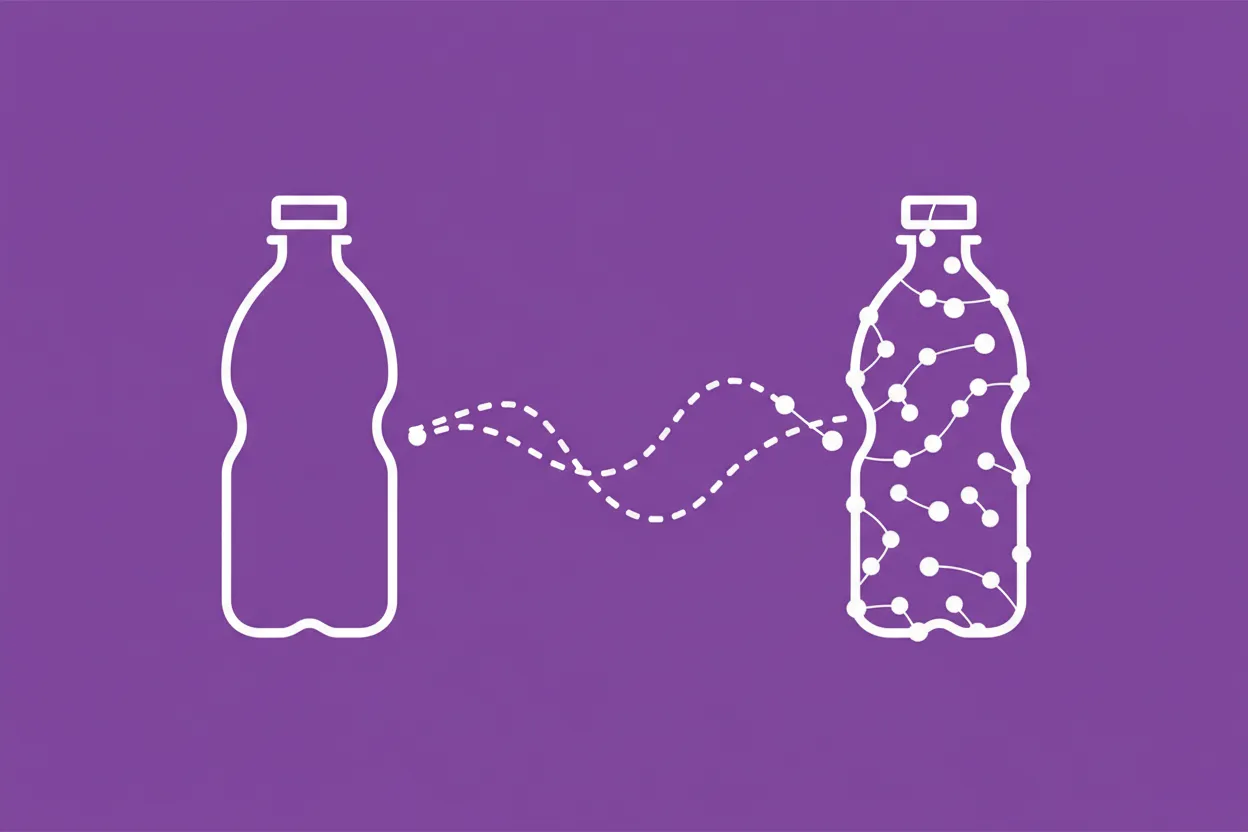
A bottle maker once shared how switching from brand-new plastic to recycled material wasn’t just good for the planet but also made business sense. The Virgin Plastics Tax makes companies pay extra when they use fresh plastic made from raw resources instead of recycled ones.
This tax pushes businesses to rethink how they make products, encouraging recycled plastic use and cutting down waste. By charging for virgin plastic, it helps build a circular economy where materials stay in use longer and pollution drops.
Countries across Europe use this tax to fight plastic pollution and support recycling industries. It’s a smart way to help nature, reduce waste, and create new opportunities for sustainable products everyone can feel good about.
Definition: Virgin plastics tax
The Virgin Plastics Tax is a charge on companies that use new plastic made from raw materials instead of recycled ones. It raises the cost of using this "virgin" plastic to encourage businesses to choose recycled plastic or other sustainable materials, helping reduce waste and protect the environment.
The Virgin Plastics Tax raises the cost of using new plastic to encourage recycled alternatives. It is a charge on companies that use plastic made from raw materials instead of recycled ones.
For example, a beverage company using bottles made from virgin plastic will pay extra tax, which motivates them to switch to bottles made from recycled plastic. This change helps lower plastic waste and supports recycling industries.
How countries started taxing new plastics to fight pollution
What sparked the idea to charge fees on new plastic use? Several European nations wanted to tackle plastic waste by making virgin plastics less appealing. This approach supports recycling and pushes industries toward sustainability.
Italy was among the first to act, proposing a tax on virgin plastics in single-use items like bottles and bags. The tax, set at €0.45 per kilogram, was delayed by the pandemic but took effect in 2022. Following Italy, Spain and the UK introduced similar taxes, each targeting plastic packaging with varying rules and rates to boost recycled content use.
These taxes are more than just fees—they’re part of a bigger plan across Europe to cut plastic pollution. The EU supports efforts like reducing single-use bags and improving how plastics are recycled. Such policies show how governments use economic tools to encourage greener habits.
Charging for virgin plastic helps reduce waste and supports a circular economy. This tax system nudges producers to rethink materials and design for the environment. It’s a practical step toward less plastic pollution and more recycling.
6 examples on how governments reduce plastic waste
Here are some ways different countries encourage less plastic use and more recycling:
- Plastic bag charges: Many places add a small fee to plastic bags to discourage single-use consumption. This simple cost nudges shoppers to bring reusable bags.
- Mandatory recycled content: Some laws require products to include a certain percentage of recycled plastic. This boosts demand for recycled materials and supports circularity.
- Deposit return schemes: Consumers pay a deposit on plastic bottles, refunded when they return the container. This system greatly increases recycling rates.
- Bans on single-use plastics: Prohibiting items like straws or cutlery reduces waste and encourages alternatives. It forces manufacturers to rethink product design.
- Extended producer responsibility (EPR): Producers must manage the end-of-life of their plastic products. This shifts waste management costs back to the source.
- Plastic waste export restrictions: Countries limit sending plastic waste abroad, promoting local recycling infrastructure development instead. It helps keep plastics in the circular economy.
While some strategies focus on preventing plastic waste upfront, others improve how plastics are handled after use. Combining these approaches can create a stronger system that reduces environmental impact and encourages reuse.
Terms related to taxes on new plastic materials
Governments use various policies to reduce plastic waste and encourage recycling.
- Extended Producer Responsibility (EPR): A rule that makes producers responsible for managing the waste of their products.
- Single-Use Plastics Regulation: Laws aimed at reducing items like plastic bags and straws that are used once and thrown away.
- Plastic Waste Management: Methods and systems to collect, treat, and recycle plastic waste effectively.
- Sustainable Packaging: Designing packaging to minimize environmental impact and support recycling.
- Recycling and Reuse Policies: Guidelines promoting the processing of used materials into new products and encouraging reuse.
- Carbon Tax: A fee on carbon emissions to encourage lower use of fossil fuels and materials with high greenhouse gases.
- Microplastics Control: Measures to reduce tiny plastic particles that pollute water and soil.
- Plastic Production and Consumption Regulations: Rules that limit how much plastic can be made or used to protect the environment.
Frequently asked questions on virgin plastics tax
Learn how the virgin plastics tax supports better plastic use and waste management.
What is the role of extended producer responsibility (EPR) in the virgin plastics tax?
EPR makes producers responsible for the entire lifecycle of their plastic products. The virgin plastics tax encourages them to design for easier recycling and reduce waste, supporting a circular economy where materials keep being reused.
How does the virgin plastics tax promote recycling and reuse policies?
By taxing new plastic materials, the tax makes recycled plastics more competitive. This encourages companies to choose recycled content, boosting recycling rates and reducing the need for virgin plastic production.
What impact does the virgin plastics tax have on plastic waste management?
The tax creates financial incentives to reduce plastic waste by limiting virgin plastic use. This helps improve waste collection, sorting, and recycling systems, leading to less plastic pollution in the environment.
How does the virgin plastics tax support the circular economy?
It pushes producers to rethink plastic use, favoring reusable or recyclable designs. This keeps plastics in use longer and reduces waste, which is the heart of a circular economy approach.
Does the virgin plastics tax relate to regulations on single-use plastics?
Indirectly, yes. While the tax targets virgin plastic use, it complements single-use plastic bans by encouraging alternatives and better waste management, supporting overall plastic reduction goals.
