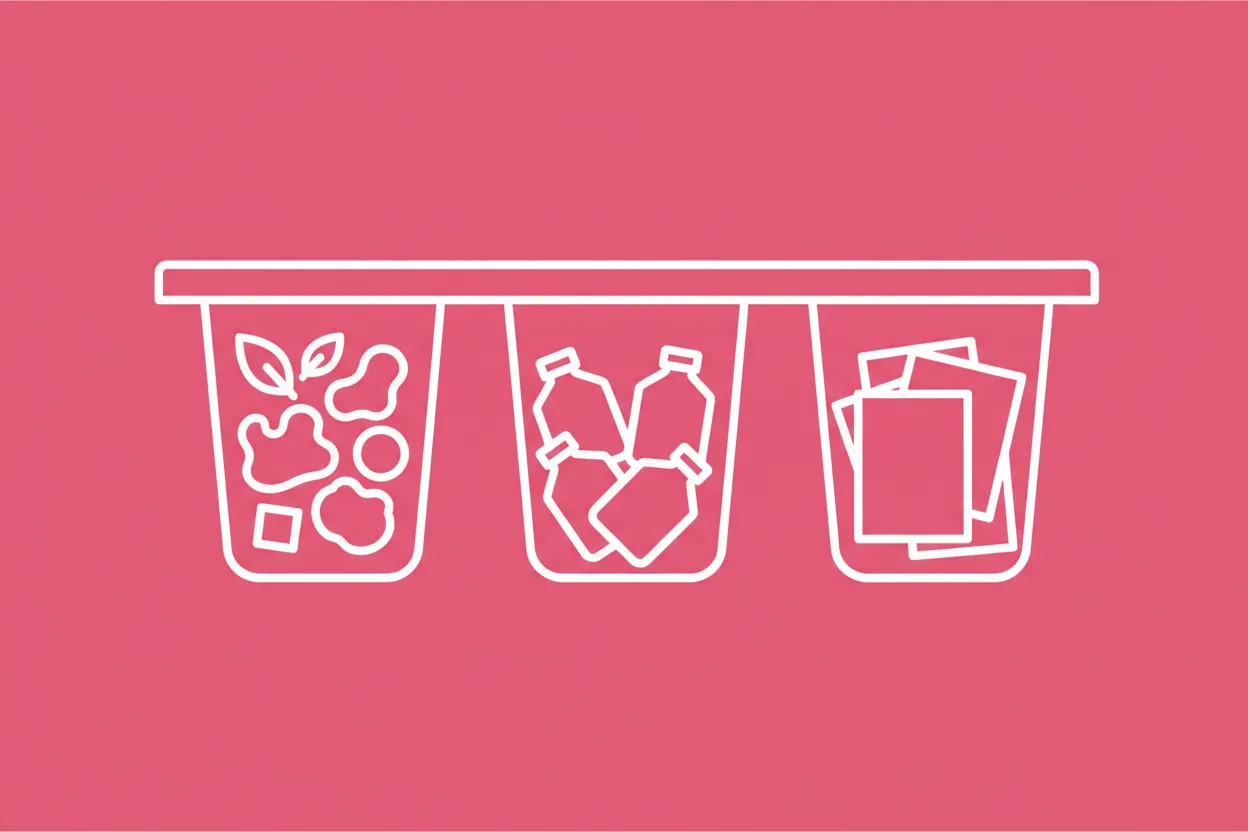
Think about the last time you tossed something in the trash—did you pause to separate it from other waste? This simple act is part of a bigger process called waste classification, which sorts trash by type or hazard to guide safe recycling or disposal.
Picture a busy kitchen where food scraps, plastics, and paper pile up—sorting these into separate bins helps turn some into compost, some into new products, and keeps harmful stuff from polluting. This approach makes managing waste easier and protects our health and planet.
Now imagine hospitals, factories, and homes all creating different kinds of waste that need special care. Waste classification identifies what can be reused, recycled, or requires careful handling, making sure nothing harmful slips through and that resources stay in the loop longer.
Definition: waste classification
Waste classification is the process of sorting waste into groups based on its type, origin, or hazard level. It helps decide how to treat, recycle, or dispose of waste safely, protecting the environment and health.
Waste classification helps decide how to treat, recycle, or dispose of waste safely. It is the process of sorting waste into groups based on its type, origin, or hazard level.
For example, separating food scraps from plastics at home means organic waste can be composted, while plastics are recycled. This simple sorting makes managing waste easier and reduces pollution. Have you tried sorting your trash this way?
How waste sorting became a key part of Europe’s green journey
Have you ever wondered why sorting your trash matters so much? Sorting waste helps keep harmful materials separate, making recycling easier and safer. This system grew from the need to protect both people and the planet.
Back in the 1990s, the EU created a detailed list to label different waste types by their source and danger level. This made it clear which waste needed special care, like hazardous materials marked with an asterisk. Later rules pushed for reducing waste first, then reusing or recycling it, with disposal as the last option.
Cross-border waste movement also needed rules, so the EU set up controls to stop illegal dumping and protect health. Waste was classified by risk to make sure it was handled properly during transport. This system evolved with new science, keeping waste management up to date.
Waste classification plays a big role in circular economy efforts. By knowing what kind of waste we have, producers take responsibility, and recycling becomes more effective. This helps us all move toward a cleaner, sustainable future.
4 examples on sorting different types of materials
Sorting materials correctly helps improve recycling rates and supports a circular economy. Here are some common ways materials are separated for better processing:
- Organic waste: Includes food scraps and garden waste. This type is often composted to create nutrient-rich soil, reducing landfill use.
- Plastic waste: Divided by types like PET, HDPE, and PVC. Sorting plastics by resin type ensures they can be recycled into new products more efficiently.
- Metal waste: Separated into ferrous (iron, steel) and non-ferrous (aluminum, copper). Metals are valuable and can be recycled repeatedly without losing quality.
- Electronic waste: Comprises discarded gadgets and appliances. Proper sorting allows recovery of precious metals and prevents hazardous materials from polluting the environment.
While some materials are simple to sort, others require more careful separation to avoid contamination. This contrast shows why clear guidelines and producer responsibility are key to effective recycling systems.
Common terms used in managing and sorting waste
Proper sorting and handling of waste can greatly improve recycling rates and reduce environmental harm.
- Extended Producer Responsibility (EPR): A policy where producers take responsibility for the disposal of products, encouraging eco-friendly design.
- Hazardous Waste: Waste that poses risks to health or the environment, requiring special handling and disposal.
- Resource Recovery: The process of extracting valuable materials or energy from waste to reuse in production.
- Waste Regulation: Laws and rules that control how waste is managed, ensuring safety and sustainability.
- Circular Economy: An approach that keeps resources in use for as long as possible, minimizing waste and promoting recycling.
Frequently asked questions on waste classification
Get quick expert answers to common questions about how waste is sorted, managed, and reused.
What is waste management?
Waste management involves collecting, transporting, treating, and disposing of waste safely to protect people and the environment. It includes recycling and reducing waste to create less pollution.
How do recycling processes work?
Recycling turns old materials into new products. Waste is sorted, cleaned, and processed into raw materials that manufacturers use again, saving resources and energy.
What is hazardous waste handling?
Hazardous waste needs special care because it can harm health or the environment. It is separated, stored securely, treated, and disposed of following strict rules.
What technologies help with waste sorting?
Technologies like magnets, air classifiers, and optical sensors help separate different waste types automatically, improving recycling rates and reducing contamination.
How does circular economy relate to waste?
A circular economy designs products to be reused, repaired, or recycled, keeping materials in use longer and reducing waste and resource extraction.
What is environmental impact assessment in waste?
It’s a process to predict how waste management activities affect the environment, helping choose options that reduce harm and protect ecosystems.
What are effective waste reduction strategies?
Reducing waste means using less, choosing reusable products, fixing things instead of throwing them away, and designing products for longer life.
How does resource recovery work?
Resource recovery extracts valuable materials or energy from waste, turning trash into something useful like compost, fuel, or metals.
What are waste regulation and compliance?
Governments set rules for how waste must be handled to keep people safe and the environment clean. Compliance means following these laws and standards carefully.
