Our blog
Glossary
Key terms and definitions related to circularity, environmental responsibility, and sustainable practices - explained simply and clearly.
What are place on market entries?
Place on market entries" mark when products enter the European market, ensuring they meet eco-friendly rules that promote safety, recycling, and circular economy goals to reduce waste and protect resources.

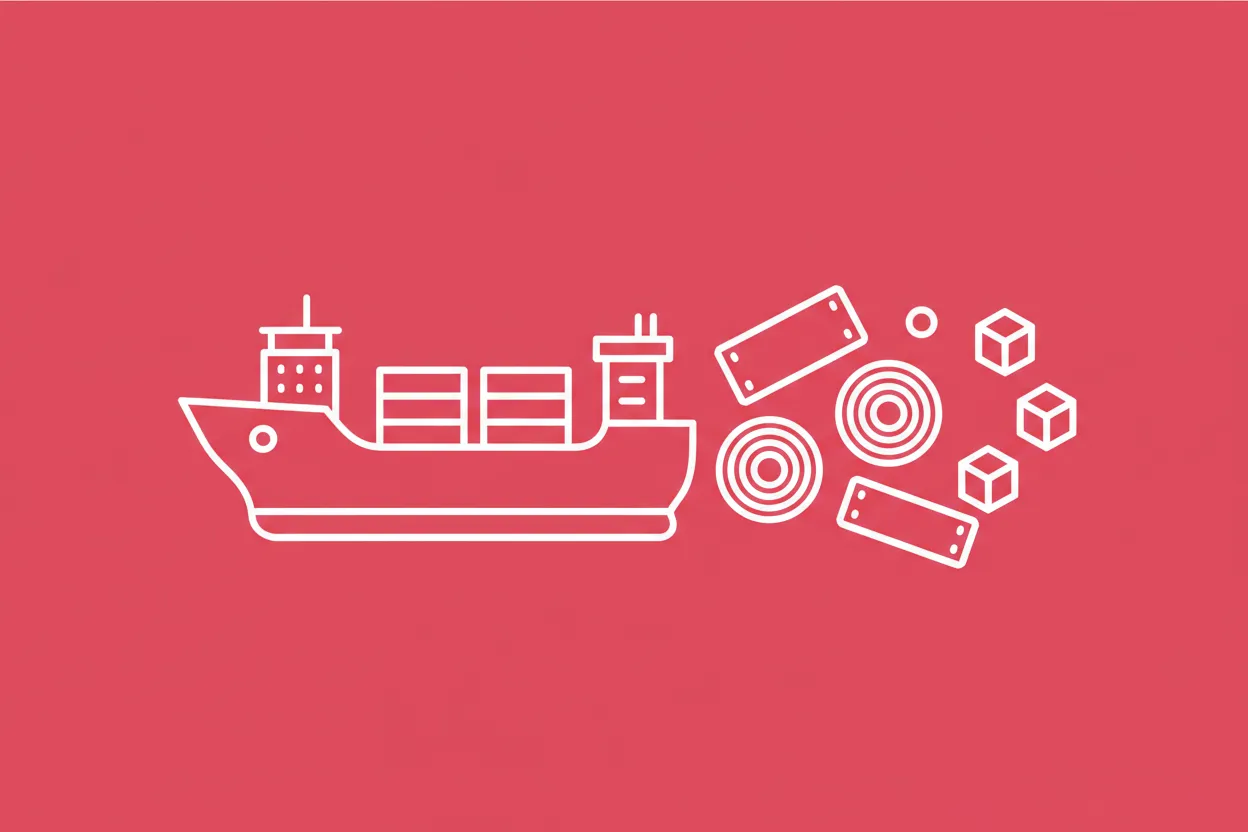
What is ship recycling?
Ship recycling recovers valuable materials like steel, reduces waste, saves energy, and protects the environment. It supports jobs, follows safety rules, and promotes a circular economy.

What is the circularity gap?
The circularity gap shows how much material is wasted instead of reused or recycled. Closing it means less waste, more recycling, saving resources, and protecting the environment for the future.
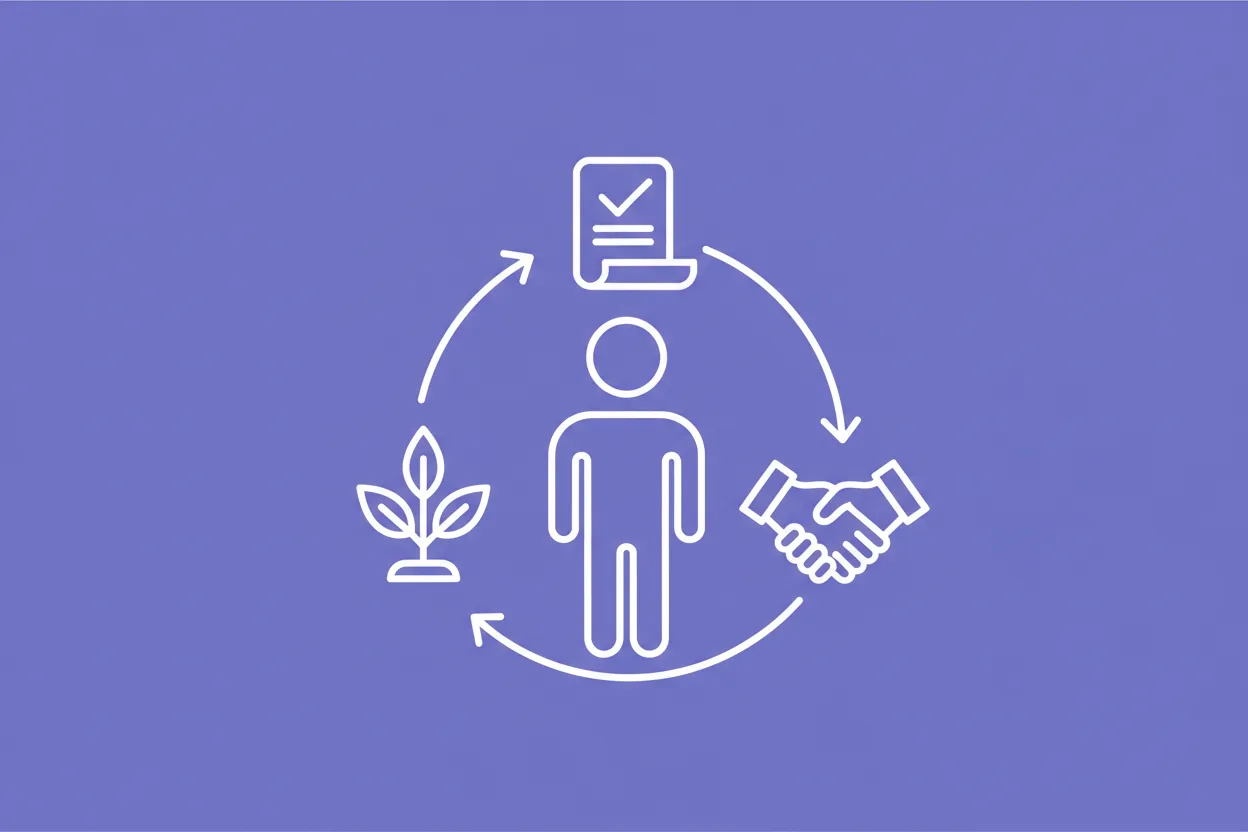
What is an ESG manager?
An ESG manager helps a company act responsibly by improving its environmental care, social fairness, and honest governance, promoting sustainability and trust for a better future.

What is a sustainability manager?
A sustainability manager helps organizations use energy, water, and materials wisely, reduce waste and pollution, and follow environmental laws, promoting recycling and circular economy for a greener future.

What is Earth Day?
Earth Day, April 22, inspires us to protect our planet by reducing waste, conserving resources, supporting recycling, and embracing sustainability for a healthier Earth and future.

What is climate impact?
Climate impact means how human actions, like burning fuels and waste, increase greenhouse gases, causing warming, extreme weather, and ecosystem changes. Recycling and circular practices help reduce this impact.

What is illegal dumping (fly-tipping)?
Illegal dumping harms nature, pollutes soil and water, and costs public money to clean. Proper waste disposal, recycling, and reporting help keep communities safe and protect the environment.

What is non-recyclable waste?
Non-recyclable waste can't be reused, often ending in landfills or incineration, harming the environment. Choosing recyclable items and sorting waste properly helps reduce this impact.