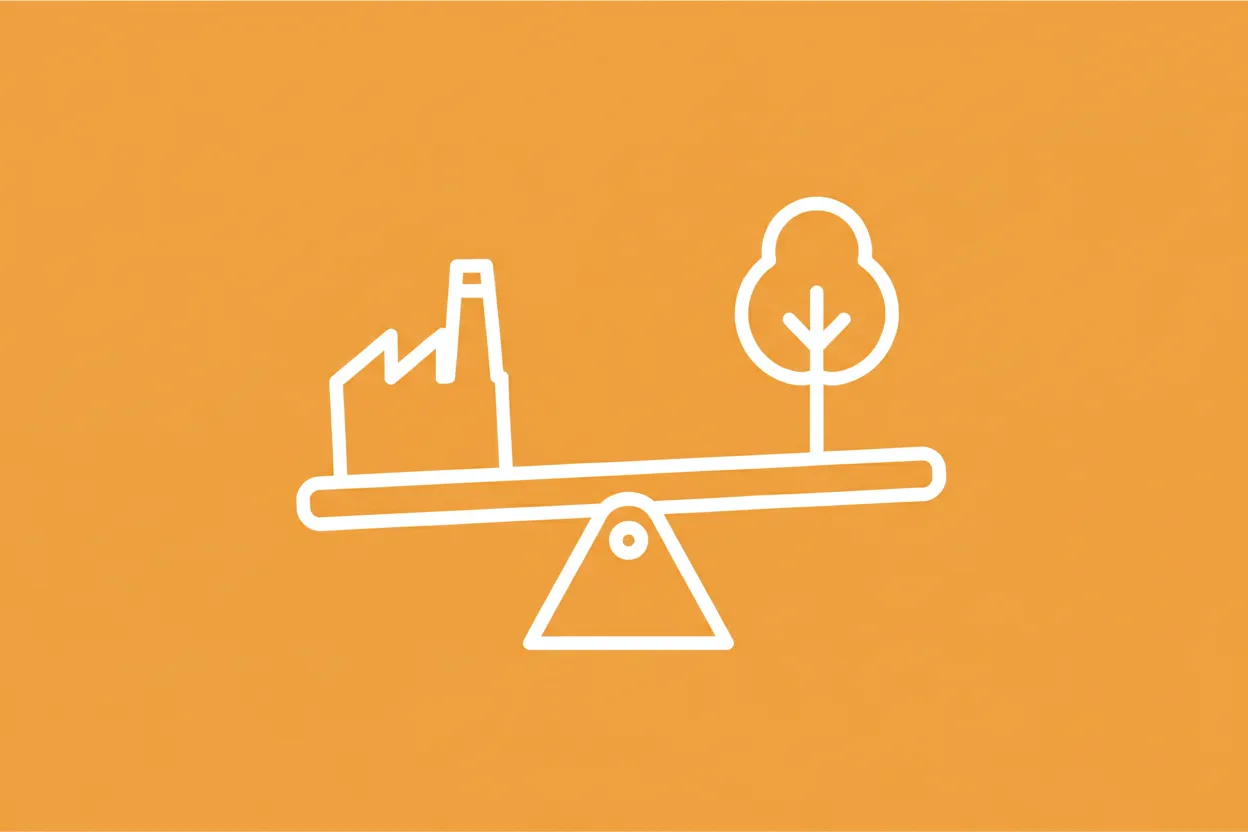
Think of Earth’s climate like a giant, delicate balance beam that can tip when too much weight is added on one side. Climate impact is the result of human actions and natural events shifting this balance, causing changes in weather, temperature, and ecosystems.
Just like a cozy blanket keeps you warm at night, greenhouse gases wrap around the Earth, trapping heat. When we add too many of these gases by burning fuels or cutting down trees, the blanket gets thicker, warming the planet and changing how weather behaves.
This is similar to how too much water in a bathtub can overflow and cause problems. When climate impact increases, it brings more storms, droughts, and threats to nature and people. The good news is that by reducing emissions and protecting nature, we can help restore balance and create a healthier planet for all.
Definition: climate impact
Climate impact means the changes to Earth's climate caused by human activities and natural events. This includes shifts in temperature, weather patterns, and ecosystems, mainly driven by greenhouse gases like CO2 trapping heat in the atmosphere.
Greenhouse gases trap heat in the atmosphere. Climate impact means how human and natural actions change Earth’s climate.
For example, when factories burn coal, they release carbon dioxide, a greenhouse gas. This extra CO2 traps more heat, causing temperatures to rise and leading to more storms or droughts. This shows how everyday activities can affect the climate around us.
How Europe’s climate challenges have changed over time
Have you ever wondered how climate change has shaped Europe through the years? From cooler periods to sudden warming, the environment and society have faced many shifts. Exploring these changes helps us see the bigger picture.
Back in the 1800s, scientists discovered how certain gases trap heat, a breakthrough that explained why Earth's temperature changes. Europe experienced cooler spells like the Little Ice Age before shifting toward warmer trends in the 1900s. After World War II, industrial growth sped up greenhouse gas emissions, causing more extreme weather events like deadly heatwaves.
Today, these climate effects are stronger than ever. Floods, storms, and record heat waves remind us that climate change is not just history—it’s happening now. Tackling these problems means learning from the past to protect our future.
Recognizing this historical climate journey helps guide smarter actions. It’s the key to building a more sustainable, circular approach to living with our changing environment.
6 examples on how everyday products contribute to greenhouse gas emissions
Here are some common items and their role in releasing greenhouse gases through their production and disposal:
- Plastic packaging: The manufacturing process emits significant greenhouse gases. Disposal often leads to pollution and long-term environmental harm.
- Fast fashion: Producing cheap clothing uses vast energy and water, causing carbon emissions. The short life cycle increases waste.
- Electronics: Mining metals and assembling devices consume energy and emit gases. E-waste adds to pollution if not recycled properly.
- Food waste: Rotting food in landfills releases methane, a powerful greenhouse gas. Wasting food means wasted resources and emissions.
- Vehicle tires: The production involves fossil fuels, and worn tires release microplastics affecting ecosystems. Disposal often lacks recycling options.
- Single-use coffee cups: Made with plastic linings, making recycling difficult. Their creation and disposal contribute to emissions.
While some products seem small or harmless, their combined effects add up quickly. Choosing reusable or recycled options can make a surprising difference.
Terms related to environmental effects
Human activities release gases that trap heat in the atmosphere, affecting weather patterns and ecosystems.
- Greenhouse gases: Gases like CO2 and methane that trap heat in the atmosphere.
- Renewable energy: Power from natural sources like sunlight or wind that don’t run out.
- Carbon footprint: The total amount of greenhouse gases a person or product produces.
- Energy efficiency: Using less energy to do the same job, saving resources.
- Deforestation: Cutting down forests, which reduces nature’s ability to absorb CO2.
- Sustainable agriculture: Farming methods that protect the environment and conserve resources.
- Waste management: Ways of handling trash to reduce pollution and recycle materials.
- Air pollution: Harmful substances in the air that can damage health and nature.
- Climate adaptation: Adjusting to changes in weather to reduce harm to people and ecosystems.
- Carbon offsetting: Actions that compensate for emissions by reducing or capturing CO2 elsewhere.
Frequently asked questions on climate impact
Here are answers to some common questions about how our actions affect the climate and what we can do about it.
What are greenhouse gas emissions?
Greenhouse gases like carbon dioxide trap heat in the atmosphere, causing global warming. Reducing these emissions is key to slowing climate change.
How does renewable energy help the climate?
Renewable energy sources like solar and wind produce electricity without releasing greenhouse gases, making them cleaner alternatives to fossil fuels.
What is a carbon footprint?
A carbon footprint measures the total greenhouse gases caused by an individual, product, or activity. Lowering it means using less energy and producing less waste.
Why is energy efficiency important?
Using less energy for the same tasks cuts emissions and saves money. Simple changes like LED bulbs or better insulation can make a big difference.
How does deforestation impact the climate?
Cutting down forests releases stored carbon and reduces nature's ability to absorb CO2, worsening climate change. Protecting forests is vital.
What is sustainable agriculture?
Sustainable farming uses methods that protect soil, water, and biodiversity while reducing emissions. It supports long-term food production and climate health.
How does waste management affect climate change?
Proper waste handling reduces methane emissions from landfills and encourages recycling, which lowers resource use and pollution.
What role does air pollution play in climate change?
Some air pollutants trap heat like greenhouse gases, while others harm health. Reducing pollution helps both the climate and people’s well-being.
What is climate adaptation?
Climate adaptation means adjusting to changes like extreme weather or rising seas to reduce harm. It helps communities stay safe and resilient.
