Frederik Kiel Jespersen
Frederik Kiel is Co-Founder and Chief Technology Officer at Repax, where he architects technology solutions that bridge the gap between regulatory compliance and sustainable business practices. He focuses on building scalable infrastructure that transforms complex environmental responsibilities into actionable insights. With a commitment to better technology as a force for environmental stewardship, Frederik works at the intersection of compliance innovation and circular economy advancement.
Articles by :author:
The latest industry news, interviews, technologies, and resources.

What are GRI Standards (Global Reporting Initiative)?
Glossary
GRI Standards guide companies to report openly on environmental, social, and economic impacts, boosting transparency, trust, and progress toward sustainability and circular economy goals.

What is the secondary packaging market?
Glossary
The secondary packaging market creates outer packaging that protects grouped products during transport and sale, focusing on sustainability by using recyclable, reusable, and lightweight materials to reduce waste and emissions.
What is green public procurement?
Glossary
Green Public Procurement means governments buy eco-friendly products that save energy, reduce waste, and support fair practices, helping protect nature and fight climate change while inspiring others.
What is B Corp certification?
Glossary
B Corp Certification shows a company cares about people, planet, and profit. It proves they meet high social and environmental standards, promoting trust, transparency, and positive impact.
What is sustainable finance?
Glossary
Sustainable finance directs money to eco-friendly projects, fair workplaces, and clean technologies, helping fight climate change and build a healthier, fairer world for everyone’s future.
What is eco-efficiency?
Glossary
Eco-efficiency means making quality products using fewer resources and less waste, helping businesses save money and protect the environment, supporting a circular economy and sustainability.
What is design for longevity?
Glossary
Design for Longevity means making durable, repairable products that last longer, reduce waste, save resources, and support a circular economy for a healthier planet.
What is a closed-loop system?
Glossary
A closed-loop system keeps materials in use by recycling, reusing, and repurposing, reducing waste and saving resources. It supports sustainability and a healthier planet for everyone.

What is a technical cycle?
Glossary
The technical cycle keeps materials like metals and plastics in use longer through repair, reuse, and recycling, reducing waste and pollution while saving resources and energy.
What is sustainable development?
Glossary
Sustainable development means using resources wisely to protect nature, support people, and grow the economy fairly. Try recycling more or saving energy to help create a healthy future for all.
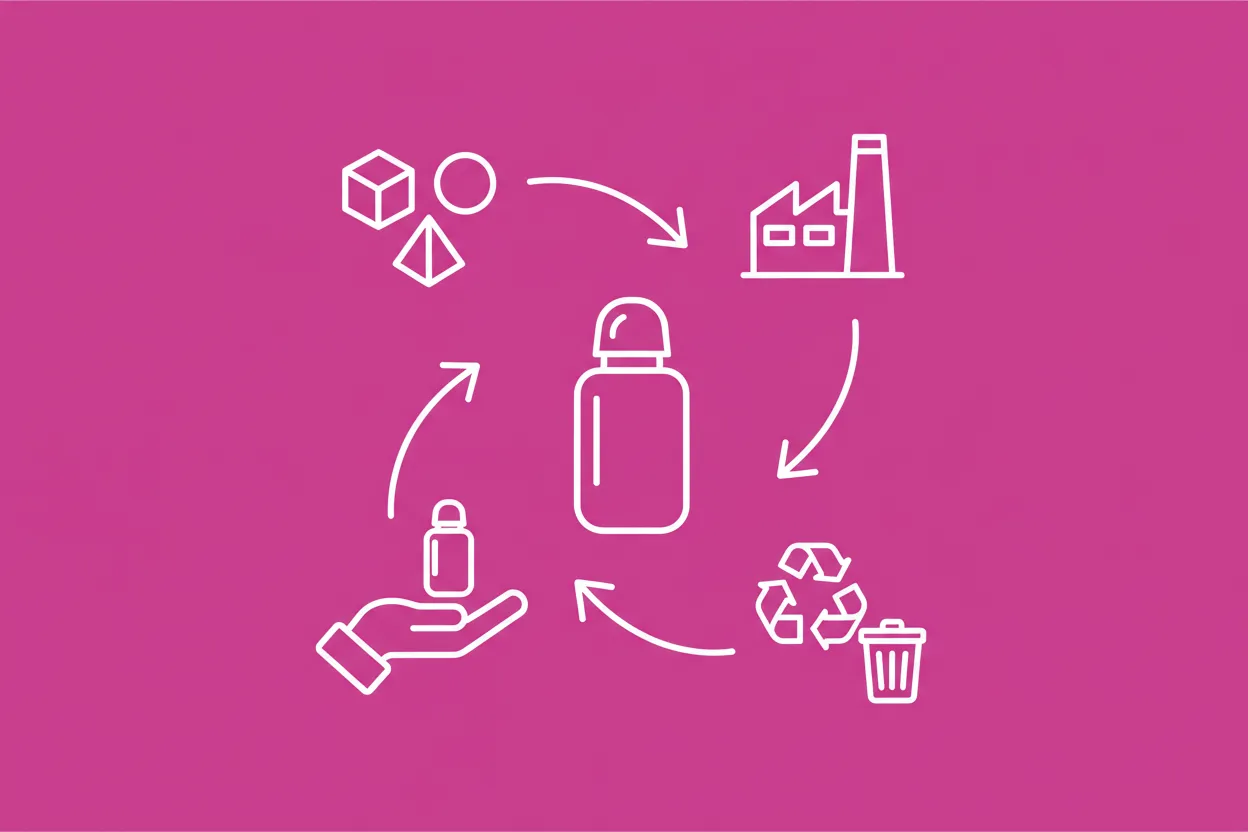
What is a product lifecycle?
Glossary
A product lifecycle tracks a product from raw material use to disposal, highlighting energy, waste, and pollution. It guides greener choices, supports recycling, and promotes a circular economy.
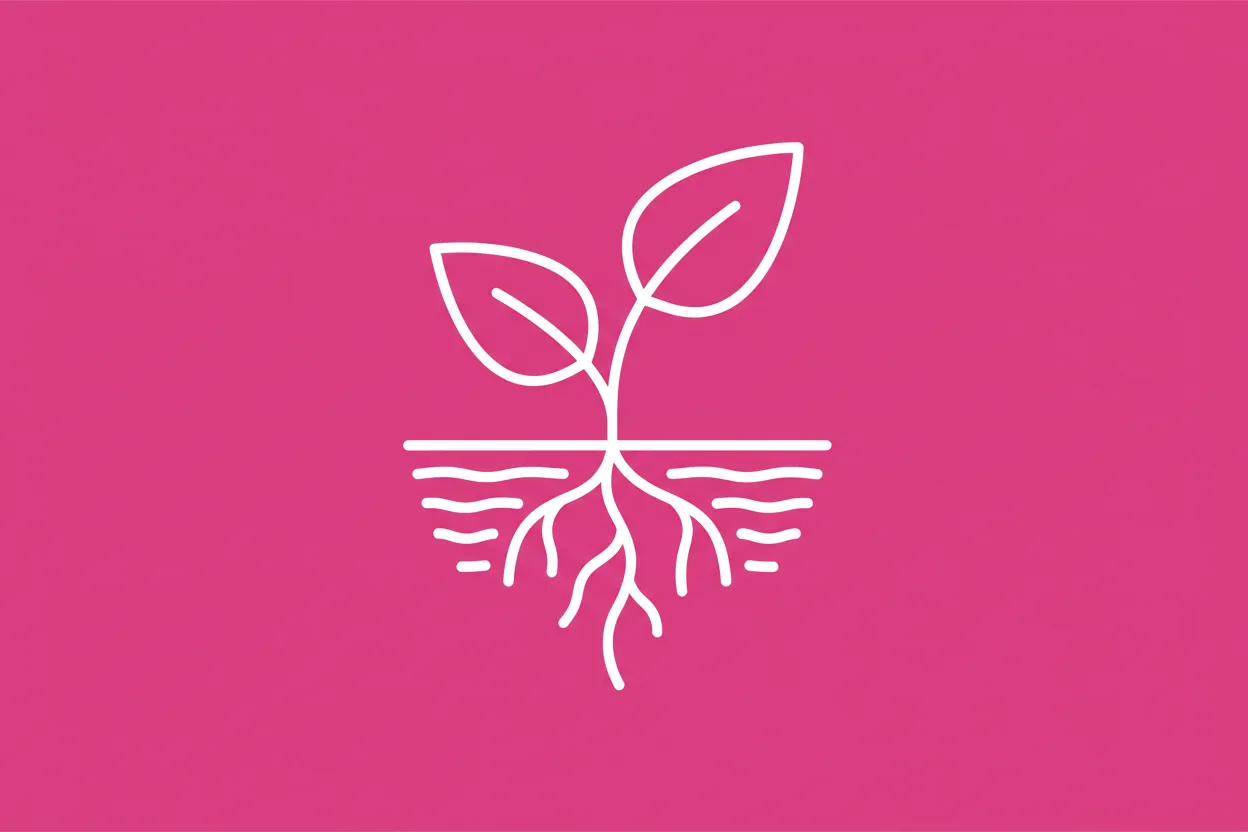
What is a biological cycle?
Glossary
The biological cycle recycles natural materials like plants and food waste through decomposition, enriching soil and supporting life. Composting is key, reducing waste and boosting sustainability.