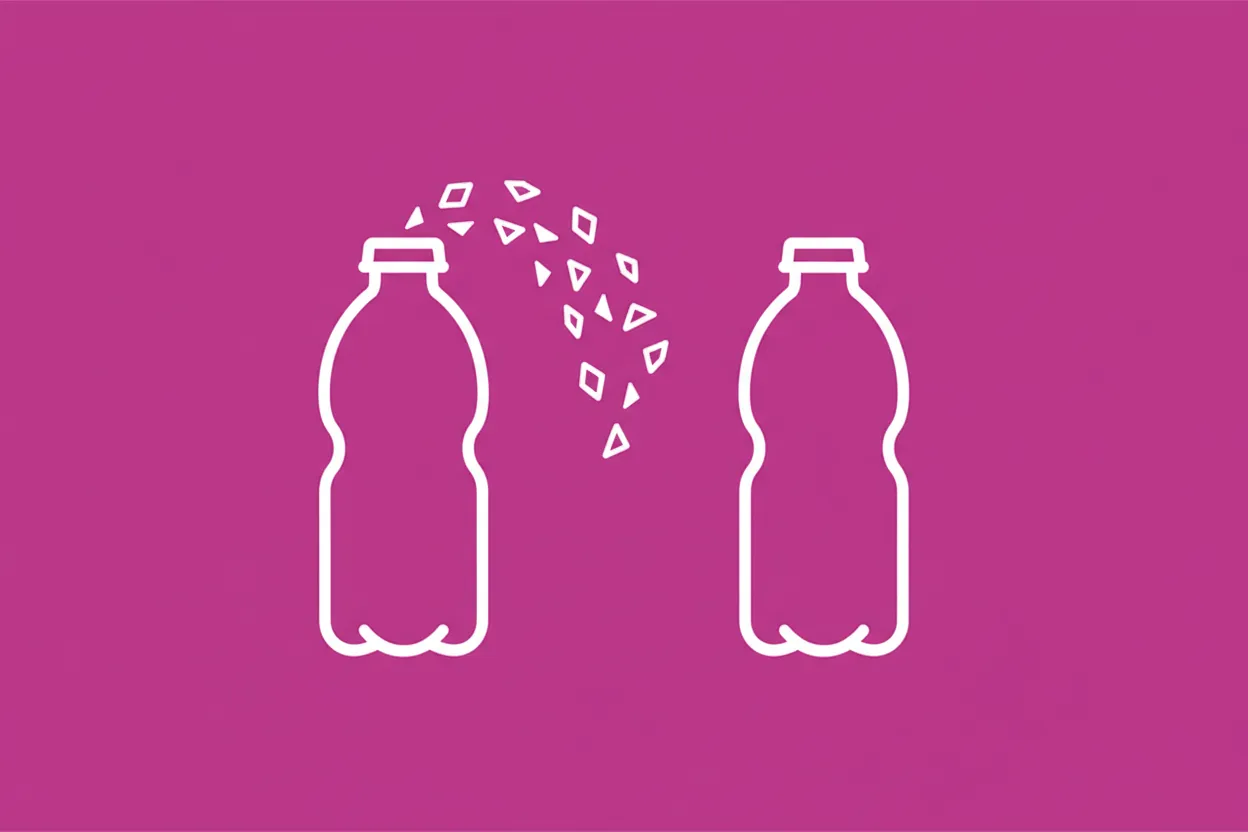
Think about when you finish drinking from a plastic bottle and instead of tossing it in the trash, you put it in a recycling bin. This simple action is part of a closed-loop system, where materials keep moving in a circle instead of being thrown away.
Picture a city where businesses collect their used packaging, break it down, and reuse those materials to make new products. This kind of closed-loop system saves resources and cuts down on waste, helping the environment and supporting local jobs.
Definition: closed-loop system
A closed-loop system keeps materials and resources moving in a circle by reusing, recycling, or safely returning them to nature instead of throwing them away. This approach saves resources and protects the environment by preventing waste and pollution.
A closed-loop system prevents waste by reusing and recycling materials. It keeps resources moving in a circle instead of being thrown away.
For example, when you recycle a plastic bottle, it gets melted and turned into new products instead of trash. This keeps plastic useful longer and reduces the need for new raw materials, showing how closed-loop thinking works in everyday life.
Clearing up myths about closed-loop approaches
Have you ever thought closed-loop systems just mean recycling? Many people do, but these systems actually focus on designing products to last longer and be reused or remanufactured. This helps reduce waste and the need for new resources.
Some assume closed-loop means automatically better for the planet. But without good collection systems and people participating, materials can still end up as trash. Effective infrastructure and awareness are key for these systems to truly lower environmental harm.
Wonder if closed-loop systems are too expensive? While starting costs exist, over time they save money by cutting waste and creating new business chances. Companies that build durable, repairable products often see happier customers and lower costs.
Small businesses can join in too. Closed-loop practices aren’t just for big corporations; they can adapt these ideas to fit their size and benefit from savings and new opportunities.
Breaking these myths helps us see how closed-loop systems support a circular economy and a healthier planet.
3 examples on how products stay in use longer
Here are some ways products and materials keep circulating, reducing waste and supporting sustainability:
- Glass bottle recycling: Glass bottles are collected, cleaned, and melted down to create new bottles. This process saves energy and cuts down on raw material use.
- Aluminum can recycling: Aluminum cans are melted and reformed into new cans repeatedly. Recycling aluminum reduces mining and lowers carbon emissions.
- Textile reuse programs: Old clothes are collected, sorted, and either resold or turned into new fabrics. This helps prevent textiles from ending up in landfills.
While many products get thrown away after one use, these examples show how materials can be kept in circulation, helping conserve resources and reduce pollution. The difference lies in designing and managing products for reuse rather than disposal.
Terms related to closed-loop system
Many industries aim to reduce waste by reusing materials and energy efficiently. Here are key terms connected to this idea:
- Circular economy: A system focused on reusing, repairing, and recycling materials to keep resources in use longer.
- Feedback control systems: Processes that monitor and adjust operations in real time to maintain efficiency.
- Sustainable manufacturing: Producing goods with minimal environmental impact and resource use.
- Resource recovery: Extracting useful materials or energy from waste to be reused.
- Life cycle assessment: Evaluating the environmental impact of a product from creation to disposal.
- Industrial symbiosis: Different industries sharing resources so one’s waste becomes another’s input.
- Waste minimization: Strategies to reduce the amount of waste produced during manufacturing.
- Product lifecycle management: Overseeing a product’s design, use, and disposal to improve sustainability.
Frequently asked questions on closed-loop systems
Closed-loop systems play a key role in making manufacturing and waste management more sustainable and circular.
What is a circular economy and how does a closed-loop system support it?
A circular economy aims to keep resources in use as long as possible, reducing waste. Closed-loop systems help by recycling materials back into production, turning waste into valuable resources.
How do closed-loop systems help with waste minimization?
Closed-loop systems reduce waste by capturing and reusing materials that would otherwise be discarded. This keeps products and materials circulating without becoming trash.
What role does resource recovery play in a closed-loop system?
Resource recovery means getting useful materials or energy back from waste. Closed-loop systems focus on recovering valuable resources to make new products, cutting the need for raw materials.
How does sustainable manufacturing link to closed-loop systems?
Sustainable manufacturing uses resources efficiently and reduces environmental impact. Closed-loop systems support this by recycling inputs and minimizing waste, creating cleaner production cycles.
Can closed-loop systems improve energy efficiency?
Yes! By reusing materials and reducing waste, closed-loop systems often lower the energy needed for producing new products, helping save energy and reduce emissions.
