Frederik Kiel Jespersen
Frederik Kiel is Co-Founder and Chief Technology Officer at Repax, where he architects technology solutions that bridge the gap between regulatory compliance and sustainable business practices. He focuses on building scalable infrastructure that transforms complex environmental responsibilities into actionable insights. With a commitment to better technology as a force for environmental stewardship, Frederik works at the intersection of compliance innovation and circular economy advancement.

Articles by :author:
The latest industry news, interviews, technologies, and resources.
What is an authorised representative?
Glossary
An Authorised Representative ensures products meet local environmental, safety, and recycling laws, supporting sustainability, protecting consumers, and helping companies follow regulations smoothly.
What is R-Cycle, the digital product passport platform?
Glossary
R-Cycle uses digital product passports with QR codes to share packaging info, making plastic recycling easier, improving material quality, and supporting a circular economy across Europe.
What is a distributor in EPR?
Glossary
Distributors in EPR ensure products reach consumers and support recycling by guiding disposal, reporting data, funding waste management, and advising on eco-friendly design for circularity.
What is an importer (EPR definition)?
Glossary
An importer under EPR brings products into a country and shares responsibility for managing their waste, helping fund recycling and reduce pollution for a cleaner environment.
What is EMAS (EU Eco-Management and Audit Scheme)?
Glossary
EMAS helps organizations reduce environmental impact by managing resources, cutting waste, setting clear goals, and sharing progress publicly, boosting sustainability and cost savings.
What is a free rider in EPR?
Glossary
A free rider in EPR is a producer who avoids paying waste management fees but still benefits from recycling systems, causing unfair costs and weakening recycling and sustainability efforts.

What is ISO 14001 environmental management systems?
Glossary
ISO 14001 helps businesses reduce pollution, save resources, and improve environmental care by setting goals, checking progress, and following laws—boosting both planet health and reputation.
What is a brand owner?
Glossary
Brand owners control product design, materials, and packaging, driving eco-friendly choices that reduce waste, promote recycling, and support a circular economy for a healthier planet.
What is an obligated producer?
Glossary
An obligated producer must manage waste from their products, supporting recycling and better design. This reduces pollution, saves resources, and makes recycling easier for everyone.

What is ISO 14044 (LCA requirements)?
Glossary
ISO 14044 guides clear, consistent Life Cycle Assessments to measure a product’s full environmental impact, helping businesses, consumers, and policymakers make greener, smarter choices.
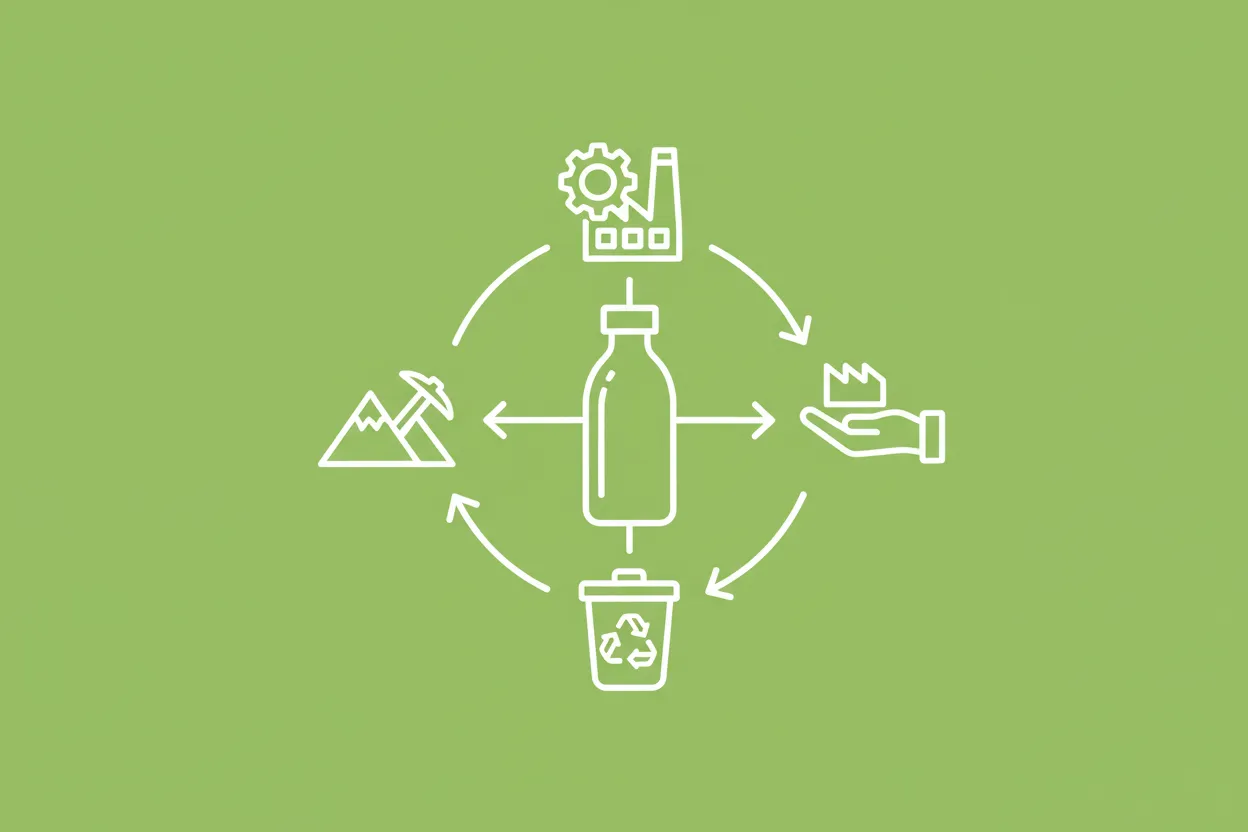
What is ISO 14040 (LCA framework)?
Glossary
ISO 14040 guides Life Cycle Assessment to check a product’s full environmental impact, helping reduce waste and support a circular economy by promoting smarter, greener choices.
What is ISO 18604 material recycling standard?
Glossary
ISO 18604:2013 guides packaging design to be recyclable, helping reduce waste and support resource efficiency. It works with ISO 18601 to assess compliance and promote sustainability.