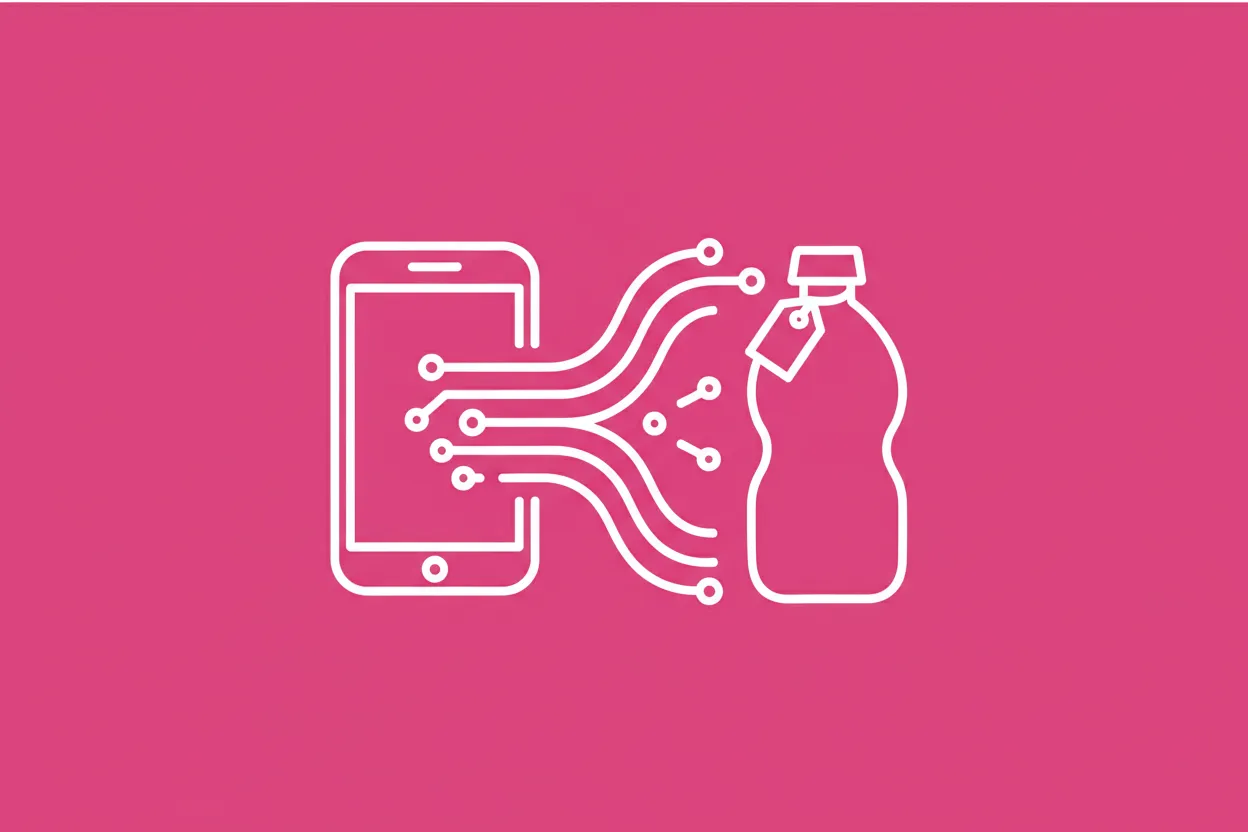
Have you ever wondered how digital tools can make recycling plastic packaging easier and more effective? R-Cycle (Digital Product Passport Platform) is a European system that adds a digital passport to each plastic package, sharing key info about materials and recycling options.
Why does clear information about packaging matter so much, and how can it help reduce waste? By giving producers, recyclers, and consumers easy access to this data, R-Cycle improves sorting accuracy and boosts recycling quality. This collaboration supports a circular economy where plastics get reused instead of thrown away.
Definition: R-Cycle (Digital Product Passport Platform)
R-Cycle is a European system that adds a digital product passport (DPP) to plastic packaging. This passport stores detailed info about the product’s materials and recyclability, accessible via QR codes or digital watermarks. It helps recyclers sort plastics better, improving recycling quality and supporting a circular economy.
R-Cycle helps recyclers sort plastics better, improving recycling quality. It adds a digital product passport with detailed material and recyclability info to plastic packaging.
For example, when you scan a plastic package with a QR code, you can instantly see what it's made of and how to recycle it correctly. This makes the recycling process faster and reduces waste contamination, so more plastic can be reused instead of thrown away.
Tracing the rise of R-Cycle as a digital recycling tool
How did digital innovation change recycling in Germany? The story starts with a government push to create a clear system for tracking product information. This early step laid the groundwork for R-Cycle’s role in circularity.
The concept took shape in 2019 when the German Federal Ministry launched a project to standardize product data across life cycles. By 2020, R-Cycle offered a digital passport listing materials and recycling details, making it easier to recover resources. Partnerships with manufacturers and recyclers grew quickly, ensuring data accuracy and broad coverage. Integration with recycling facilities followed, streamlining operations and boosting efficiency.
This platform’s growth shows how collaboration supports sustainability efforts. It connects producers, recyclers, and consumers in a shared goal of reducing waste.
Digital product passports like R-Cycle make recycling smarter and more effective. They’re key tools in building a circular economy that benefits everyone.
7 examples on how digital product passports improve circularity
Here are seven ways digital product passports help track materials, boost recycling, and support sustainable product use:
- Material traceability: Digital passports provide detailed info on product materials, making it easier to identify recyclable components. This supports better sorting and reuse.
- EPR compliance: They help producers meet extended producer responsibility rules by documenting product lifecycle data. This transparency ensures accountability.
- Repair facilitation: Access to product details enables easier repair and maintenance, extending product life and reducing waste. Consumers can find the right spare parts quickly.
- Recycling efficiency: Clear material information streamlines recycling processes. Facilities can separate and process materials accurately, increasing recycling rates.
- Design for circularity: Product data helps designers create items with recyclability and reuse in mind. This encourages sustainable product development.
- Consumer awareness: Digital passports give buyers insight into product sustainability, encouraging eco-friendly choices. Transparency builds trust and demand for greener products.
- Waste reduction: Better tracking reduces product disposal in landfills by promoting reuse and recycling. This supports a circular economy mindset.
While traditional products often lack clear material info, digital passports create a shift toward transparency and responsibility. This contrast shows how technology can transform waste management and sustainability.
Terms related to digital product passports and circularity
Digital product passports support transparency and help businesses meet sustainability goals by tracking products throughout their lifecycle.
| Term | Description |
|---|---|
| Digital product passport (DPP) | A digital record that holds detailed information about a product’s materials and history. |
| Circular economy | An economic system focused on reusing and recycling materials to reduce waste. |
| Sustainable product design | Creating products with the environment and resource efficiency in mind from the start. |
| Product lifecycle management | Managing a product’s entire journey from creation to disposal for better sustainability. |
| Supply chain transparency | Sharing clear and accessible information about where and how products are made. |
| Recycling and waste management | Processes for collecting, sorting, and reprocessing materials to reduce landfill waste. |
| Eco-design | Designing products to minimize negative environmental impact throughout their use. |
| Extended producer responsibility (EPR) | A policy approach where producers are responsible for managing their products’ waste. |
Frequently asked questions about R-Cycle, the digital product passport platform
Here are answers to common questions about how R-Cycle supports sustainability and circularity.
What is a digital product passport (DPP)?
A digital product passport is an online record that holds detailed info about a product’s materials, origin, and recycling options. R-Cycle uses DPPs to make recycling and reuse easier and more effective.
How does R-Cycle support the circular economy?
R-Cycle helps keep products and materials in use longer by providing clear data on how to recycle or reuse them. This reduces waste and saves resources, supporting a circular economy.
Can R-Cycle help with sustainable product design?
Yes! Designers can use R-Cycle data to choose materials and processes that are easier to recycle and less harmful to the environment, creating products that fit well in a circular system.
How does R-Cycle improve product lifecycle management?
By tracking product details digitally, R-Cycle helps businesses monitor, maintain, and manage products throughout their entire life, from creation to recycling, making processes more efficient.
What role does R-Cycle play in supply chain transparency?
R-Cycle provides clear, accessible info on materials and product parts throughout the supply chain. This transparency helps companies and consumers make informed, responsible choices.
How does R-Cycle assist with recycling and waste management?
R-Cycle makes recycling easier by giving recyclers exact information about product materials and disassembly instructions, reducing contamination and improving recycling quality.
How is extended producer responsibility (EPR) connected to R-Cycle?
R-Cycle supports EPR by helping producers meet their legal duties to manage product waste responsibly, using digital data to track and report recycling and reuse efforts.
Can R-Cycle be used for environmental impact assessment?
Yes, R-Cycle’s detailed product data helps assess environmental impacts by showing where materials come from and how they can be recovered, enabling better decisions to reduce harm.
