Oskar Mortensen
Oskar Mortensen is a Content Specialist at Repax who loves turning complicated sustainability rules into something everyone can actually understand. Think of him as your friendly guide through the world of EPR regulations and circularity—breaking down the confusing stuff so you can focus on what really matters for your business. His goal? Making environmental compliance feel less like homework and more like a conversation. When Oskar's not writing helpful content, you'll find him out on the golf course, breathing in that fresh air and enjoying nature's own waste-free system.

Articles by :author:
The latest industry news, interviews, technologies, and resources.
What is reusability?
Glossary
Reusability means using items like bottles, bags, or containers multiple times to cut waste, save resources, and protect nature. What reusable items do you use daily?
What is cascading use in materials?
Glossary
Cascading use means reusing materials in different ways before disposal, saving resources, reducing waste, and supporting a circular economy for a greener, more sustainable future.
What are renewable materials?
Glossary
Renewable materials come from plants or animals that regrow quickly, like wood or cotton. They reduce waste, lower emissions, support recycling, and help protect the environment for the future.
What is recyclability?
Glossary
Recycling more carefully by sorting waste correctly and choosing products with recyclable packaging can boost recyclability, reduce waste, save resources, and protect the planet.
What are finite resources?
Glossary
Start by recycling more, using energy-efficient products, and choosing items made from recycled materials. Small changes like turning off lights help save finite resources and protect the planet.
What is zero waste?
Glossary
Zero Waste means using less and reusing more to avoid trash. Simple steps like carrying a reusable bag or choosing refillable products reduce waste and help protect our planet every day.
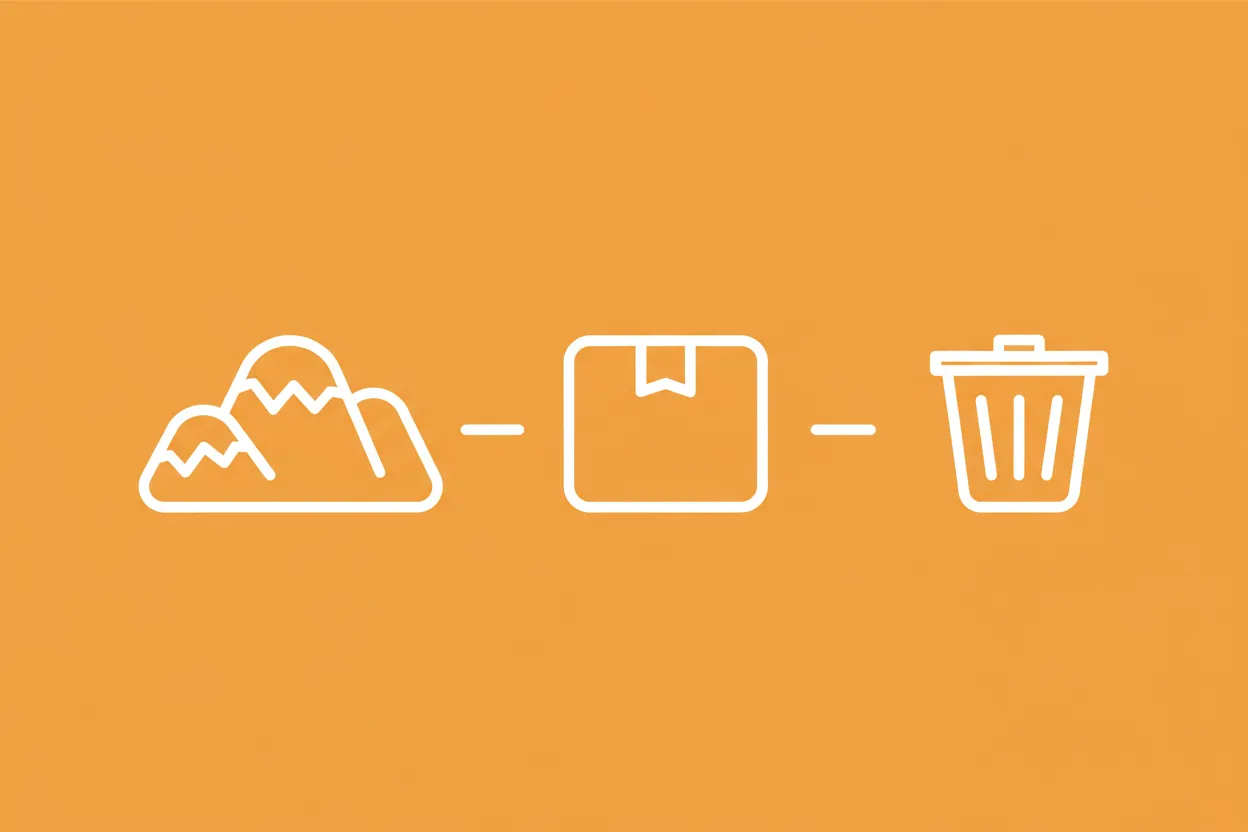
What is the take-make-dispose (linear) model?
Glossary
The Take-Make-Dispose model uses resources to make products, then throws them away, causing waste and harm. Moving to reuse and recycling helps protect the planet and save materials.
What is modular design?
Glossary
Modular design makes products with replaceable parts, reducing waste and boosting recycling. It saves resources, extends product life, and supports a circular economy for a greener future.
What is the resale and second-hand market?
Glossary
Buying and selling second-hand extends product life, cuts waste, saves resources, and supports a circular economy. It’s affordable, eco-friendly, and helps reduce pollution. Give it a try!
What is product lifetime extension?
Glossary
Product Lifetime Extension means using products longer by repairing, maintaining, upgrading, or sharing them. This reduces waste, saves resources, and helps protect the environment.
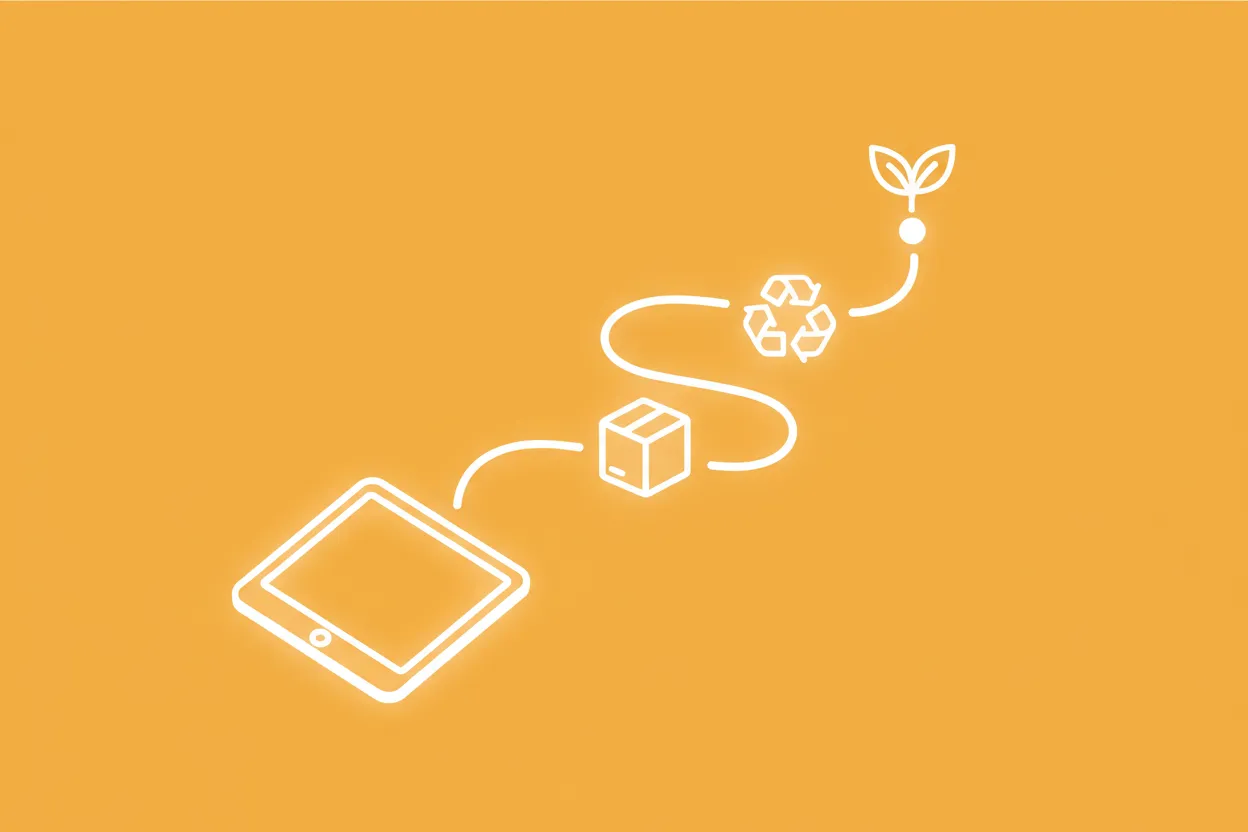
What is blockchain for circularity?
Glossary
Blockchain helps track materials through a product’s life, ensuring trust, reducing waste, and boosting recycling. It creates digital histories that support smarter, sustainable choices for a circular future.
What is an extended warranty?
Glossary
Extended warranties help keep products longer by encouraging repairs, reducing waste, and saving resources. They support circular economy goals and promote a more sustainable, less disposable mindset.