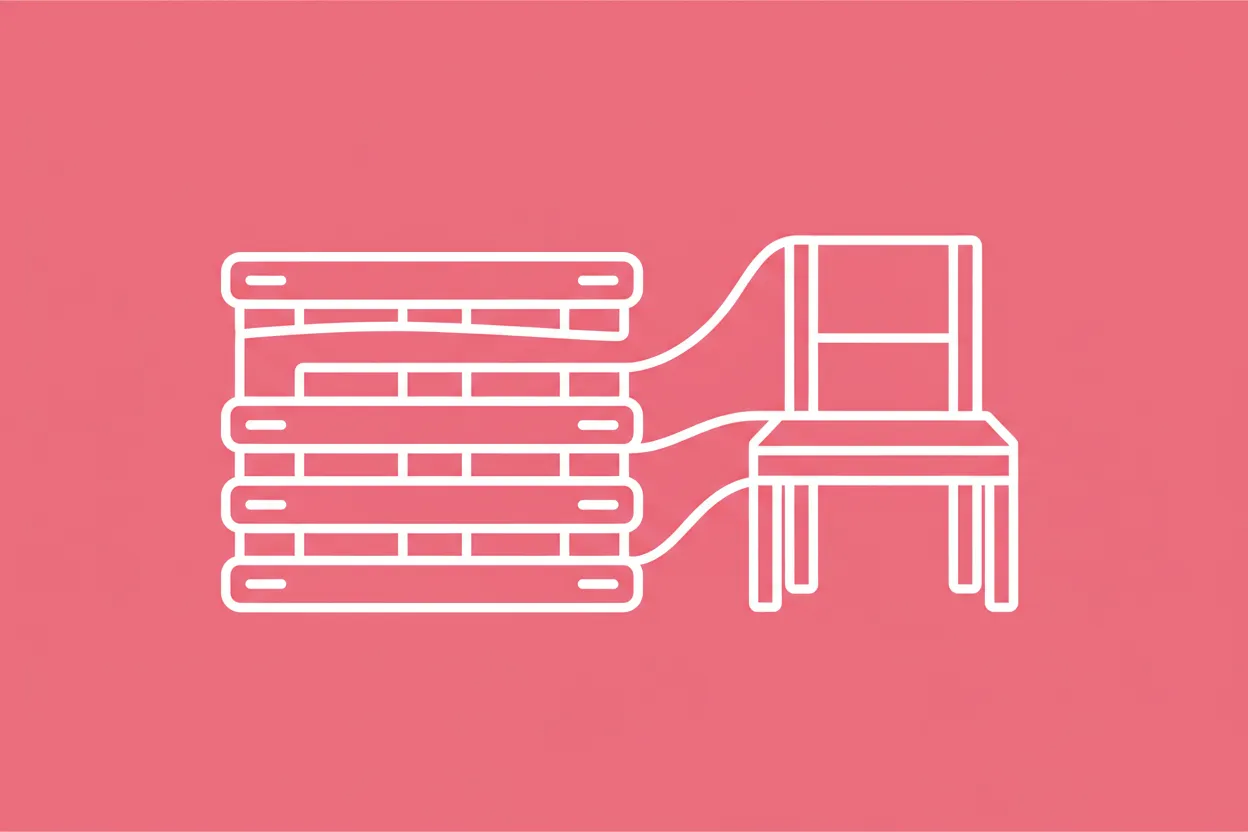
When a wooden pallet has finished its job moving boxes, it can find new life as a cozy chair or garden planter before finally being turned into wood chips for energy. This idea of squeezing multiple uses from one material is what cascading use (materials) is all about.
Think about your favorite old shirt: after wearing it out, it might become a cleaning rag or even insulation in a house. This step-by-step reuse saves resources and prevents waste from piling up too quickly.
Cascading use (materials) means getting the most value out of resources by passing them through different products or processes, helping save raw materials, energy, and reducing pollution while supporting a circular economy.
Definition: cascading use (materials)
Cascading use (materials) is a strategy that extends the life of resources by using them in several different ways before they become waste. Instead of discarding materials after one use, they are passed through multiple products or processes, which saves raw materials, energy, and reduces pollution.
Cascading use saves raw materials and cuts pollution by passing materials through multiple uses. It extends resource life by turning waste into valuable products repeatedly.
Think of a wooden pallet: first, it moves goods; when worn, it becomes furniture; then wood chips for energy. Each step uses the wood differently, squeezing more value from the original resource. This practical example shows how cascading use keeps materials working longer and reduces waste.
How sequential use extends material value
Have you ever thought about how materials can be used multiple times before becoming waste? This idea is at the heart of cascading use. It encourages using resources step-by-step, keeping their quality high for as long as possible.
The concept first appeared in the early 1990s and compares material use to a river flowing down plateaus. Each step uses the material for something valuable before moving on to the next use. In Europe, this approach took off in the 2010s, especially for biomass like wood, supporting the circular economy and sustainability goals.
By prioritizing high-value uses first, like furniture or building materials, and then shifting to lower-value uses such as paper or energy, cascading use gets the most out of every resource. This reduces waste and helps recycling efforts, making the entire system more efficient and eco-friendly.
This method is a key part of extended producer responsibility, encouraging companies to design products that fit into this cycle. It shows how smart planning can lead to better resource management and a greener future.
3 examples on making the most of materials through reuse and repurposing
Here are some practical ways materials get a second life through thoughtful reuse and repurposing:
- Wood pallets: These are often reused for furniture or garden projects, extending the life of the wood and reducing demand for new timber. This keeps wood out of landfills and supports circularity.
- Glass bottles: After initial use, they can be cleaned and refilled or crushed for use in construction materials. This reduces energy use compared to melting new glass.
- Fabric scraps: Leftover textile pieces can be transformed into insulation, cleaning rags, or patchwork products, keeping fibers circulating longer and lowering textile waste.
In contrast, many materials are still discarded after a single use, missing opportunities to save resources and reduce waste. Shifting to multiple-use cycles helps protect the environment and supports extended producer responsibility goals.
Key terms connected to efficient material management
Materials can often serve multiple purposes, extending their value and reducing waste through smart strategies.
| Term | Description |
|---|---|
| Circular economy | An economic system focused on reusing, repairing, and recycling materials to reduce waste. |
| Resource efficiency | Using materials in a way that maximizes their value and minimizes waste and environmental harm. |
| Material recovery | The process of extracting useful materials from waste for reuse or recycling. |
| Waste hierarchy | A ranking system prioritizing waste prevention, reuse, recycling, recovery, and disposal. |
| Industrial symbiosis | Collaboration between industries to use each other's by-products or waste as resources. |
| Extended producer responsibility | A policy approach where producers take responsibility for the entire lifecycle of their products, including disposal. |
| Upcycling | Turning waste materials into products of higher quality or value than the original. |
| Downcycling | Recycling materials into products of lower quality or value than the original. |
| Life cycle assessment | A method to evaluate the environmental impacts of a product from creation to disposal. |
| Reuse | Using a product or material again for the same or a different purpose without major processing. |
Frequently asked questions on cascading use of materials
Cascading use is a smart way to keep materials working longer and reduce waste.
What is cascading use in the circular economy?
Cascading use means using materials multiple times in different ways, starting with high-quality uses and moving to lower ones, to keep resources circulating and reduce waste.
How does cascading use improve resource efficiency?
By extending the life of materials through several uses, cascading use reduces the need to extract new resources, saving energy and lowering environmental impact.
What role does material recovery play in cascading use?
Material recovery involves collecting and processing used materials so they can be reused or recycled in new products, supporting the cascading use cycle.
How is cascading use related to the waste hierarchy?
Cascading use aligns with the waste hierarchy by prioritizing reuse and recycling over disposal, helping to minimize landfill and promote sustainability.
Can industrial symbiosis benefit from cascading use?
Yes, industrial symbiosis connects different industries to share by-products and materials, enabling cascading use and reducing overall waste.
What is extended producer responsibility (EPR) in cascading use?
EPR makes producers responsible for their products’ end-of-life, encouraging design for reuse and recycling, which supports cascading use.
How does upcycling differ from cascading use?
Upcycling transforms waste into higher-value products, which can be part of cascading use when materials are reused creatively to extend their life.
What is downcycling and why is it less ideal?
Downcycling turns materials into lower-quality products, limiting further reuse. Cascading use aims to avoid downcycling by keeping material quality higher.
Why is life cycle assessment important for cascading use?
Life cycle assessment measures the environmental impact of materials at every stage, helping to find the best ways to implement cascading use effectively.
