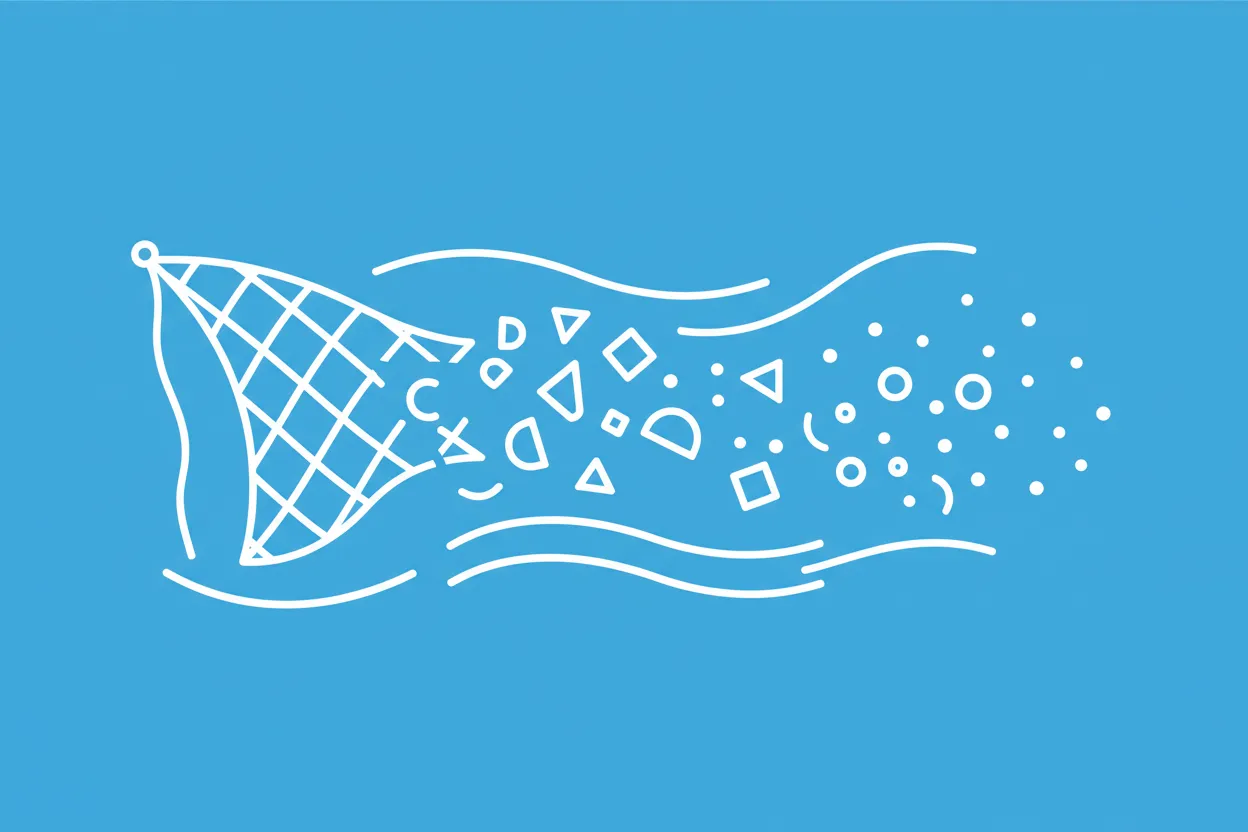
Lost fishing gear acts like a plastic snowball rolling through the ocean, breaking into tiny pieces called marine microplastics from fishing gear. These bits come from nets, lines, traps, and ropes that wear down or get abandoned at sea. Think of these plastics like invisible crumbs scattered across the ocean floor and waters, easily mistaken for food by fish and seabirds. Just as a spilled bag of flour can spread everywhere in a kitchen, these microplastics spread widely through marine environments. This pollution not only harms sea life but also challenges efforts to keep oceans clean and healthy.
Definition: marine microplastics from fishing gear
Marine microplastics from fishing gear are tiny plastic pieces under 5 millimeters that come from broken, lost, or discarded fishing nets, lines, traps, and ropes in the ocean. These plastics slowly break down but don’t disappear, spreading through the water and often eaten by marine animals.
Marine microplastics from fishing gear spread through the ocean and are often eaten by marine animals. They come from broken, lost, or discarded fishing nets, lines, traps, and ropes.
Think of a fishing net lost at sea. Over time, sunlight and waves break it into tiny plastic bits smaller than a sesame seed. Fish and seabirds may mistake these bits for food, which can harm their health and pollute the ocean ecosystem.
Tracing the changes in plastic pollution from fishing equipment
Have you ever wondered how fishing gear became a source of tiny plastic pollution in our oceans? Over the last century, fishing tools have changed a lot, influencing the kind of waste they leave behind. These shifts reveal much about human habits and environmental effects.
In the early 1900s, fishing nets were made from natural fibers like hemp and cotton, which broke down naturally in the sea. After World War II, synthetic materials like nylon took over, making gear stronger but also lasting much longer in the ocean. By the late 20th century, scientists noticed that broken-down pieces from these plastics, called microplastics, were harming marine life and spreading widely.
Pollution from lost fishing gear, often called “ghost nets,” became a major concern as they don’t degrade easily and trap sea creatures. Governments and researchers started pushing for laws and solutions to tackle this growing problem, focusing on reducing plastic waste from the fishing industry.
Today, circular economy projects are giving hope by recycling old fishing gear into new products and designing more sustainable materials. These efforts show how industry and nature can work together to protect our oceans better.
3 examples on sources of plastic pollution in oceans
Here are some common ways plastic waste enters the sea from fishing activities:
- Lost nets: These are large fishing nets that get abandoned or lost at sea. They continue to trap marine life and break down into tiny plastic pieces over time.
- Ropes and lines: Fishing ropes and lines made of plastic can fray and degrade, shedding microplastics into the water. They are often overlooked but are a persistent source of pollution.
- Plastic traps and pots: Some traps used for catching seafood contain plastic parts that can break or be left behind, slowly releasing microplastics as they deteriorate.
While these fishing-related plastics pose a problem, they are only part of the bigger picture of ocean pollution. Other sources like single-use plastics and packaging waste also contribute heavily to marine debris, showing the need for broader solutions.
Key terms connected to plastic pollution from fishing activities
Plastic waste from fishing contributes significantly to ocean pollution, affecting marine life and ecosystems.
- Ghost nets – Lost or discarded fishing nets that continue to trap marine animals, causing harm long after use.
- Microfibers – Tiny synthetic fibers shed from fishing ropes and nets, contributing to microplastic pollution.
- Biodegradable fishing gear – Equipment designed to break down naturally, reducing long-term environmental impact.
- Bycatch – Non-target species caught accidentally by fishing gear, often harmed or killed, impacting biodiversity.
- Circular fishing economy – A system where fishing gear is reused, recycled, or repurposed to minimize waste.
- Marine debris hotspots – Areas with high concentrations of plastic waste from fishing and other sources.
- EPR (Extended Producer Responsibility) – Policies that hold manufacturers accountable for managing fishing gear waste.
Frequently asked questions on marine microplastics from fishing gear
Here are clear answers to common questions about how fishing gear affects our oceans with tiny plastic pollution.
What is the impact of fishing gear on marine biodiversity?
Lost or discarded fishing gear can trap and harm marine animals like fish, turtles, and birds, disrupting the balance of ocean life and reducing biodiversity.
How does microplastic contamination affect ocean ecosystems?
Microplastics from fishing gear enter the food chain, harming small sea creatures and eventually larger animals, which can affect the health of entire ocean ecosystems.
What role does circular economy play in fisheries?
A circular economy in fisheries means designing fishing gear that can be reused, repaired, or recycled, reducing plastic waste and keeping materials in use longer.
How can plastic waste management reduce marine pollution?
Proper collection, recycling, and disposal of old or damaged fishing gear prevent it from ending up in the ocean, cutting down on marine plastic pollution.
What sustainable fishing practices help prevent microplastic pollution?
Using biodegradable or less plastic-intensive fishing gear and regularly retrieving lost equipment helps reduce microplastic pollution and supports healthier oceans.
