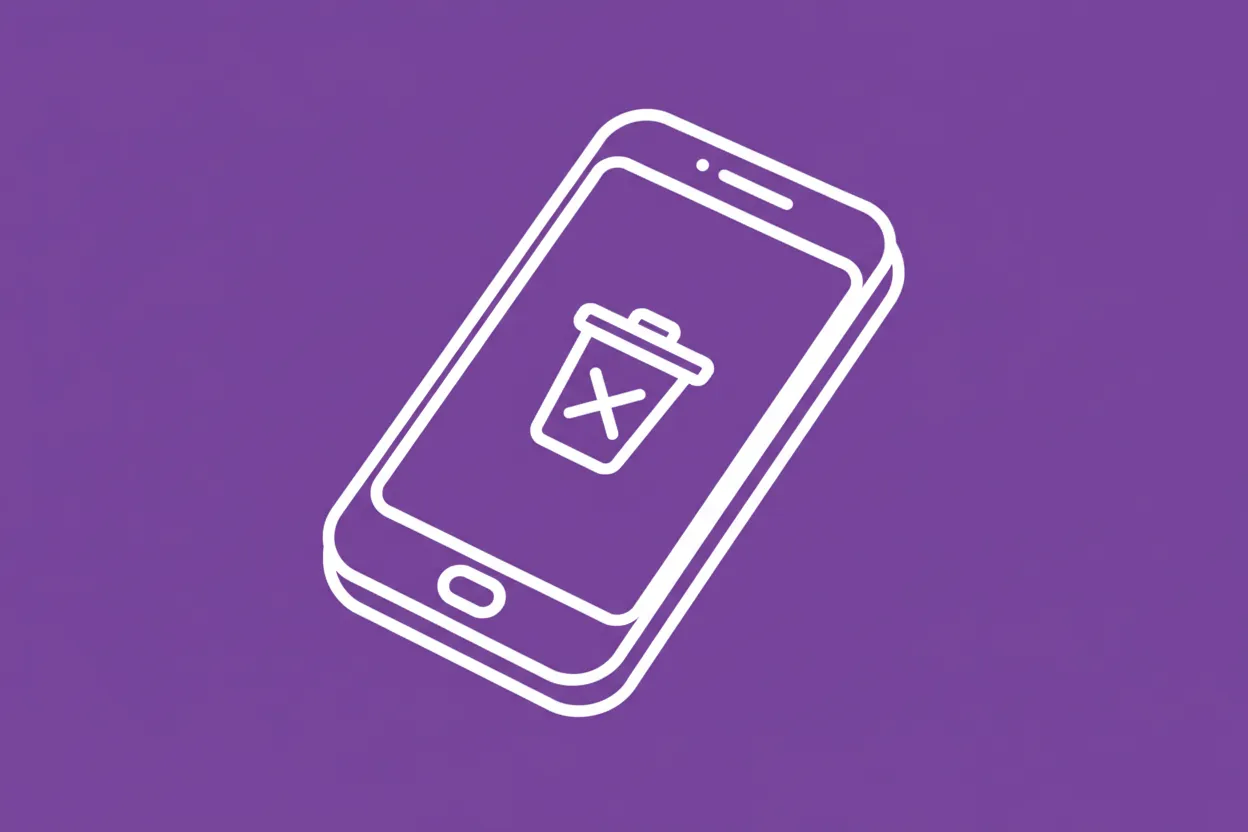
When you toss out an old phone or gadget, you might spot a little trash bin with a big "X" on it—that’s the Crossed-Out Wheelie Bin Symbol. This tiny icon tells you not to chuck the item in your regular bin but to recycle it separately.
Think about it like this: when you take old electronics to a special recycling spot instead of the trash, you’re stopping harmful chemicals from leaking into the earth. It’s a simple step that protects nature and helps recover valuable materials for new products.
Just like sorting your recyclables at home, this symbol reminds us that some items need special care. By following it, we all help keep waste out of landfills and support a cleaner, healthier planet for everyone.
Definition: Crossed-Out Wheelie Bin Symbol
The Crossed-Out Wheelie Bin Symbol is a small icon on electronic products that shows a trash bin with a big "X" over it. It means you should not throw the item in regular trash but recycle it separately at special collection points to prevent pollution and recover valuable materials.
The Crossed-Out Wheelie Bin Symbol means you should recycle electronics, not throw them in the trash. It reminds you to keep harmful waste out of the environment.
For example, when you finish using an old phone or computer with this symbol, you take it to a recycling center or store that collects electronic waste. This helps stop toxic chemicals from leaking into nature and lets valuable metals and plastics be reused in new products.
Clearing up myths about the crossed-out wheelie bin symbol
What does that crossed-out wheelie bin symbol really mean? Many people think it shows a product can be recycled. Actually, it signals that the item should never go into regular trash, but it doesn’t guarantee recyclability. This helps keep harmful materials from polluting the environment.
Is every item with this symbol dangerous? Not quite. The mark mainly means the product needs special disposal to protect nature and human health. Some electronics and batteries have toxic parts, but the symbol covers all items needing separate handling, not just hazardous ones.
Does the symbol only appear on batteries? It’s common on batteries, but electronic devices carry it too. Batteries sometimes have extra labels showing toxic metals inside, helping identify specific hazards for safer recycling.
Is this a rule just for new products after 2005? The symbol applies to all covered electronics regardless of when they were made. Since 2005, the WEEE Directive has pushed for responsible waste management across all electronic gear, old or new.
Is the symbol only for products sold in Europe? No, it’s recognized worldwide. Many manufacturers use it globally to encourage proper disposal and recycling, supporting a circular economy beyond the European Union.
6 examples on how product labels show disposal responsibilities
Here are some clear ways products communicate the importance of proper disposal and recycling to help protect the environment:
- Battery recycling symbol: This icon signals that batteries must be taken to special recycling points. It highlights the need to keep hazardous materials out of regular waste.
- Green dot: This mark indicates that the producer contributes to the cost of recycling packaging. It reminds consumers that companies share responsibility for waste management.
- Tidyman icon: A small figure throwing trash in a bin encourages people to avoid littering. It promotes proper disposal habits to reduce pollution.
- Mobius loop: Three chasing arrows show that the packaging is recyclable. This encourages users to recycle and supports circular economy goals.
- Plastic resin codes: Numbers inside recycling triangles identify plastic types for better sorting. They improve recycling efficiency by guiding waste processors.
- EPR label: Extended producer responsibility marks inform consumers that producers manage the product’s end-of-life. This fosters accountability for sustainable waste handling.
Some labels clearly signal who should act after use, making it easier to recycle or dispose of items properly. Others focus more on encouraging consumer behavior. Together, they help build a culture of responsibility and circularity.
Terms related to electronic waste disposal symbols
Electronic waste requires careful handling to prevent environmental harm and promote recycling.
- WEEE Directive: A regulation ensuring producers take responsibility for recycling electronic waste.
- Producer responsibility schemes: Programs where manufacturers manage the disposal and recycling of their products.
- Hazardous waste disposal: Safe handling and treatment of harmful materials found in electronics.
- Circular economy for electronics: Designing and recycling products to reduce waste and keep materials in use.
- Consumer awareness on e-waste: Educating people about proper disposal and recycling of electronic devices.
Frequently asked questions on the crossed-out wheelie bin symbol
This symbol is a key guide for managing electronic waste responsibly.
What does the crossed-out wheelie bin symbol mean for electronic products?
It shows that the item should not be thrown in regular trash but collected separately for proper recycling under e-waste rules.
How does the WEEE Directive relate to this symbol?
The WEEE Directive requires producers to take responsibility for collecting and recycling electronic waste marked with this symbol.
Why is electronic waste recycling important?
Recycling e-waste recovers valuable materials, reduces pollution, and supports a circular economy by keeping resources in use longer.
What role do producer responsibility schemes play here?
Producers must fund or manage the collection and recycling of their products, helping to reduce waste and improve sustainability.
How does this symbol support hazardous waste disposal?
It signals that certain electronics may contain harmful substances needing special handling to prevent environmental harm.
How can consumers improve e-waste management using this symbol?
By recognizing it, consumers know to separate e-waste from regular trash and use designated collection points or programs.
What is the link between this symbol and circular economy for electronics?
It encourages recycling and reuse, which are essential for closing the loop and reducing resource extraction.
How does sustainable product design relate to this symbol?
Designers use it to remind themselves and users that products should be easier to recycle, reducing waste.
Are there environmental labeling regulations connected to this symbol?
Yes, regulations require clear labeling like this to inform users about proper disposal and recycling options.
