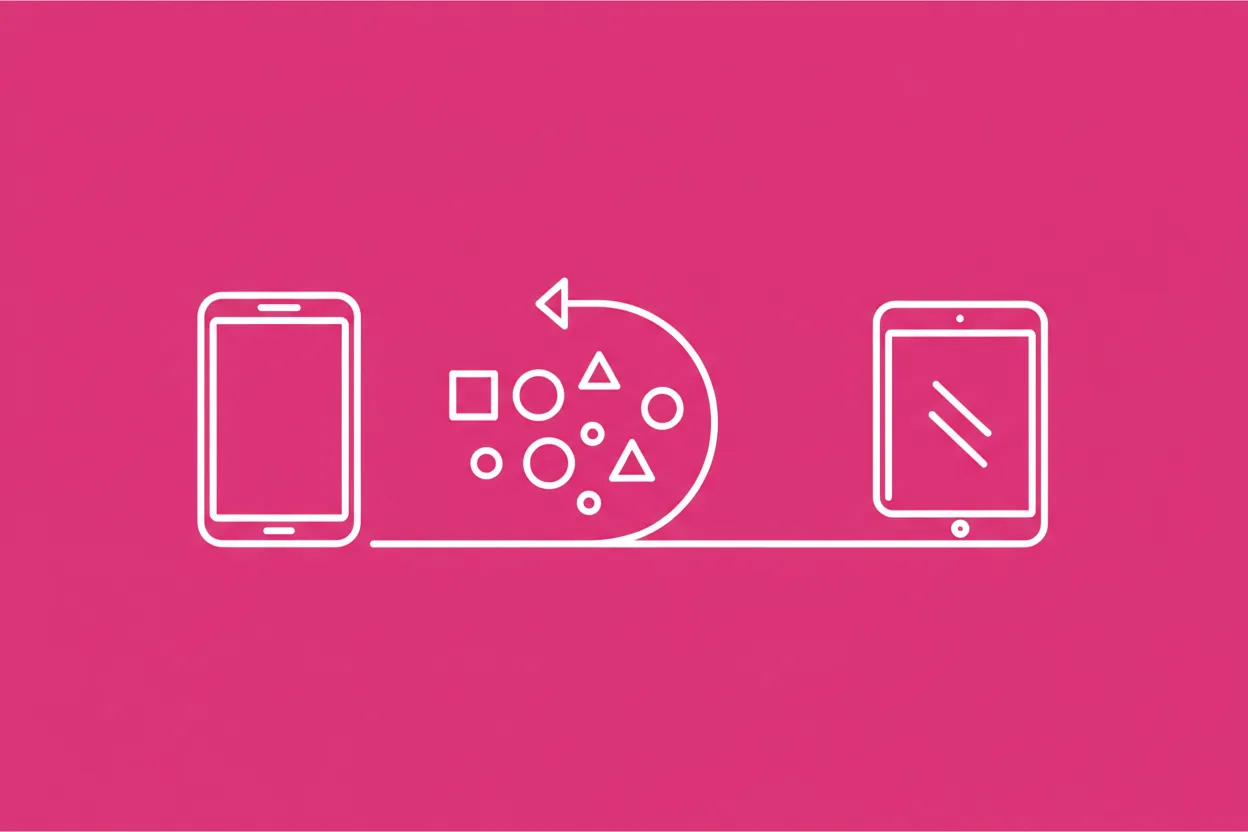
You buy a phone, use it, and toss it when it breaks. Now picture a system where that phone’s parts are collected, fixed, or recycled to make new products instead of trash. This is the idea behind a circular supply chain.
Businesses are teaming up to design products that last longer and can be repaired or reused easily. They also make sure materials come back into the cycle rather than ending up in landfills, saving resources and cutting pollution.
Think of a package you return to the store so it can be cleaned and used again, or scraps from a factory turned into new items. Circular supply chains keep materials moving in a loop, helping both the planet and the economy thrive.
Definition: circular supply chain
A circular supply chain manages resources by focusing on reusing, recycling, and reducing waste rather than the usual make-use-dispose pattern. It keeps materials moving in a loop, cutting pollution and saving natural resources. This system designs products for repair, reuse, and recycling to avoid creating trash.
It keeps materials moving in a loop, cutting pollution and saving natural resources. A circular supply chain manages resources by focusing on reusing, recycling, and reducing waste rather than the usual make-use-dispose pattern.
Think of a smartphone designed so its parts can be taken out and used again instead of tossed away. This means fewer new materials are needed, less waste piles up, and the environment stays healthier while the product’s life is extended.
How circular supply chains came to be a sustainability game changer
What sparked the shift from traditional supply chains to circular ones? Environmental concerns and the push for better resource use started the journey decades ago. This shift aims to reduce waste and keep materials in use longer.
Back in the 70s and 80s, recycling and waste reduction became key issues thanks to growing environmental awareness. The 90s introduced the “cradle-to-cradle” design, promoting products that cycle materials endlessly. More recently, policies like the EU’s Circular Economy Action Plan have pushed businesses toward circular supply models. Tech advances such as IoT and AI now help track and optimize these processes, making circular supply chains more practical and efficient.
Europe has played a big role, with programs like WRAP and laws like the German Supply Chain Act driving sustainable supply practices. Foundations like Ellen MacArthur’s have also raised awareness about circularity’s benefits.
This history shows how circular supply chains evolved into a powerful tool for reducing waste and protecting resources. The future looks brighter when industries keep embracing these ideas. 6 examples on how materials move in a closed loop
Here are some practical ways companies keep materials flowing without waste:
- Product take-back: Companies collect used items from customers to recycle or refurbish. This helps keep valuable materials in use longer.
- Supplier collaboration: Businesses work closely with suppliers to source recycled or renewable materials. This reduces the need for virgin resources.
- Modular design: Products are made in parts that can be easily replaced or upgraded. This extends product life and simplifies recycling.
- Reverse logistics: Systems are set up to bring products or packaging back from consumers. It supports reuse and proper recycling.
- Closed-loop manufacturing: Factories reuse their own scrap or waste materials in production. It lowers raw material demand and waste output.
- Material tracking: Advanced tools monitor materials through the supply chain. This ensures efficient reuse and helps meet sustainability goals.
Traditional supply chains often focus on a one-way flow from raw material to disposal. These examples show how shifting to loops can reduce waste and environmental harm.
Terms related to circular supply chain
More companies are shifting to sustainable practices to reduce waste and use resources wisely.
- Circular Economy: A system focused on reusing, repairing, and recycling materials to keep products in use longer.
- Sustainable Supply Chain: A supply chain designed to minimize environmental impact while supporting social and economic goals.
- Resource Efficiency: Using materials, energy, and water in ways that maximize output and minimize waste.
- Closed-Loop Supply Chain: A process where products are returned, refurbished, or recycled back into the supply chain.
- Waste Management: Practices that reduce, reuse, and recycle waste to limit environmental harm.
- Life Cycle Assessment: A method to evaluate the environmental impact of a product from creation to disposal.
- Industrial Symbiosis: Collaboration between industries where waste or byproducts of one become resources for another.
- Product Stewardship: Responsibility shared by all involved in a product’s life to reduce its environmental impact.
- Reverse Logistics: The process of moving products back from consumers to producers for reuse or recycling.
Frequently asked questions on circular supply chains
Here are clear answers to common questions about making supply chains more circular and sustainable.
What is a circular economy?
A circular economy focuses on keeping resources in use for as long as possible by reusing, repairing, and recycling products instead of throwing them away. This reduces waste and helps protect the environment.
How does a closed-loop supply chain work?
A closed-loop supply chain collects used products or materials, then recycles or refurbishes them to make new products. This loop reduces waste and lowers the need for new raw materials.
What is reverse logistics?
Reverse logistics involves moving used products or materials back from consumers to manufacturers or recyclers. It supports recycling, repair, and reuse, which are essential for circular supply chains.
Why is resource efficiency important?
Resource efficiency means using materials, energy, and water wisely to minimize waste and environmental impact. It saves money and helps businesses become more sustainable.
What role does waste management play in circular supply chains?
Effective waste management ensures that waste is sorted, recycled, or composted instead of ending up in landfills. It is a key part of closing the loop in circular supply chains.
How does industrial symbiosis support circularity?
Industrial symbiosis is when different companies share resources like energy, water, or materials. This reduces waste and creates value by turning one company's by-product into another's raw material.
What is product stewardship?
Product stewardship means everyone involved in a product’s life—from design to disposal—takes responsibility for reducing its environmental impact. This encourages better design and recycling practices.
