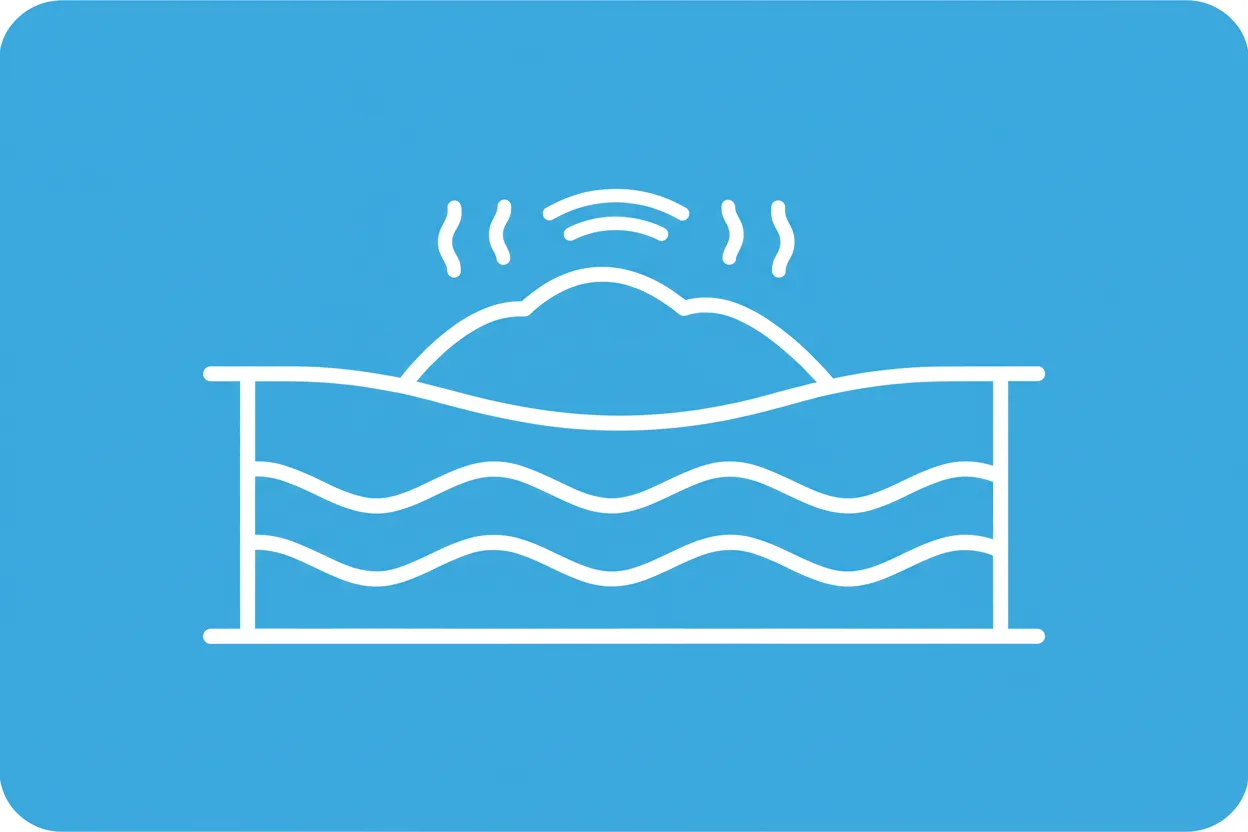
Think about the trash you toss out every day—where does it go when it leaves your home? Often, it’s buried deep underground in a landfill, a special site designed to store waste that can’t be reused or recycled.
Picture a big hole lined with layers of clay and plastic to keep harmful liquids from leaking into the soil—that’s how landfills protect the environment. As the trash breaks down, gases like methane are captured to prevent pollution and can even be used for energy.
Imagine your neighborhood’s garbage truck dropping off waste at a carefully managed site far from homes, where engineers make sure it won’t harm nearby rivers or air quality. Landfills help keep communities clean but remind us why reducing and recycling waste is so important.
Definition: landfill
A landfill is a specially designed site where waste is buried underground to manage trash that can’t be reused, recycled, or composted. It uses protective layers to prevent pollution and systems to control gases like methane, keeping the environment safer while storing large amounts of garbage.
Landfills use protective layers and gas systems to keep the environment safe. They are places where waste is buried underground to manage trash that can’t be reused or recycled.
For example, when your household garbage is collected, it often ends up in a landfill. There, the trash is carefully buried with layers that stop harmful liquids from leaking and systems that capture gases made as the waste breaks down. This way, the landfill stores waste without causing damage nearby.
The long journey of burying waste through time
Have you ever wondered how people managed their garbage long ago? For thousands of years, societies have buried waste to keep their living spaces clean. This simple act has changed a lot alongside human progress and growing environmental care.
Early civilizations like the Minoans in Crete dug deep pits to hide away broken pottery and other trash, covering it with layers of earth. Ancient Athens made rules to move garbage far from the city, creating some of the first official dump sites. Over centuries, landfilling spread as a common way to deal with growing waste from cities and industries.
Today, landfilling faces new challenges. While it's still a method used worldwide, concerns about pollution and greenhouse gases push us to recycle more and find better waste solutions. The European Union’s Landfill Directive has helped cut down landfill use and encouraged recycling, showing that change is possible.
Historic landfill sites still exist and need careful management to protect nature and communities. Tackling these old dumps is part of building a cleaner, more circular future where waste is a resource, not a problem.
7 examples of waste disposal methods impacting the environment
Here are some common ways waste is managed, showing how different methods affect nature and communities:
- Open dumping: Waste is dumped in open areas without treatment. This can lead to soil and water contamination and harm local ecosystems.
- Incineration: Burning waste reduces volume but produces air pollution and greenhouse gases. It requires careful emission controls.
- Composting: Organic waste is broken down naturally into nutrient-rich material. This method supports soil health and reduces landfill use.
- Recycling: Materials like paper, plastic, and metal are processed to make new products. It conserves resources and lowers environmental impact.
- Waste-to-energy: Some waste is converted into energy, offering a way to reduce landfill volume while generating power. However, emissions must be managed.
- Mechanical biological treatment: Combines physical separation and biological processes to treat waste, reducing landfill needs and recovering materials.
- Anaerobic digestion: Organic waste decomposes without oxygen, producing biogas for energy and digestate for fertilizer, promoting circularity in waste management.
While some methods focus on reducing waste volume, others prioritize recovering materials and energy. The choice influences how much waste ends up buried and the environmental footprint left behind.
Terms related to landfill
Over 2 billion tons of waste are generated worldwide each year, highlighting the importance of proper waste handling and environmental protection.
- Waste management – The process of collecting, transporting, processing, and disposing of waste materials safely and efficiently.
- Methane gas – A greenhouse gas produced by the breakdown of organic waste in anaerobic conditions, often captured for energy use.
- Leachate – A liquid formed when water filters through waste, potentially carrying harmful substances into soil and water.
- Recycling – Converting waste materials into new products to reduce the need for raw resources and minimize environmental impact.
- Composting – The natural breakdown of organic waste into nutrient-rich soil, supporting plant growth and reducing landfill waste.
- Protective liners – Barriers placed beneath waste layers to prevent harmful liquids from seeping into the ground.
- Pollution control – Measures to reduce harmful effects of waste on air, water, and soil quality.
- Waste sorting – Separating different types of waste to improve recycling efficiency and reduce contamination.
- Circular economy – A system focused on reusing and recycling materials to keep resources in use for as long as possible.
Frequently asked questions about landfills
Learn key facts about landfills and how they relate to waste, recycling, and the environment.
What is landfill gas and why does it matter?
Landfill gas is mostly methane, created when waste breaks down without oxygen. It can be harmful if released but can also be captured and used for energy, helping reduce pollution and support sustainability.
How do landfill liners protect the environment?
Landfill liners are layers of plastic or clay that stop harmful liquids from leaking into soil and groundwater. They are essential for preventing pollution and protecting nearby ecosystems.
What is leachate and how is it managed?
Leachate is a liquid that forms when rainwater filters through waste, picking up contaminants. Modern landfills collect and treat leachate to avoid water pollution, keeping communities and nature safe.
How does recycling relate to landfills?
Recycling helps reduce the amount of waste sent to landfills by turning materials like paper, plastic, and metal into new products. This supports a circular economy and lowers environmental impact.
Why is waste sorting important for landfill management?
Sorting waste keeps recyclable and compostable items out of landfills, reducing pollution and making recycling easier. Proper sorting supports sustainability and a more circular approach to resource use.
