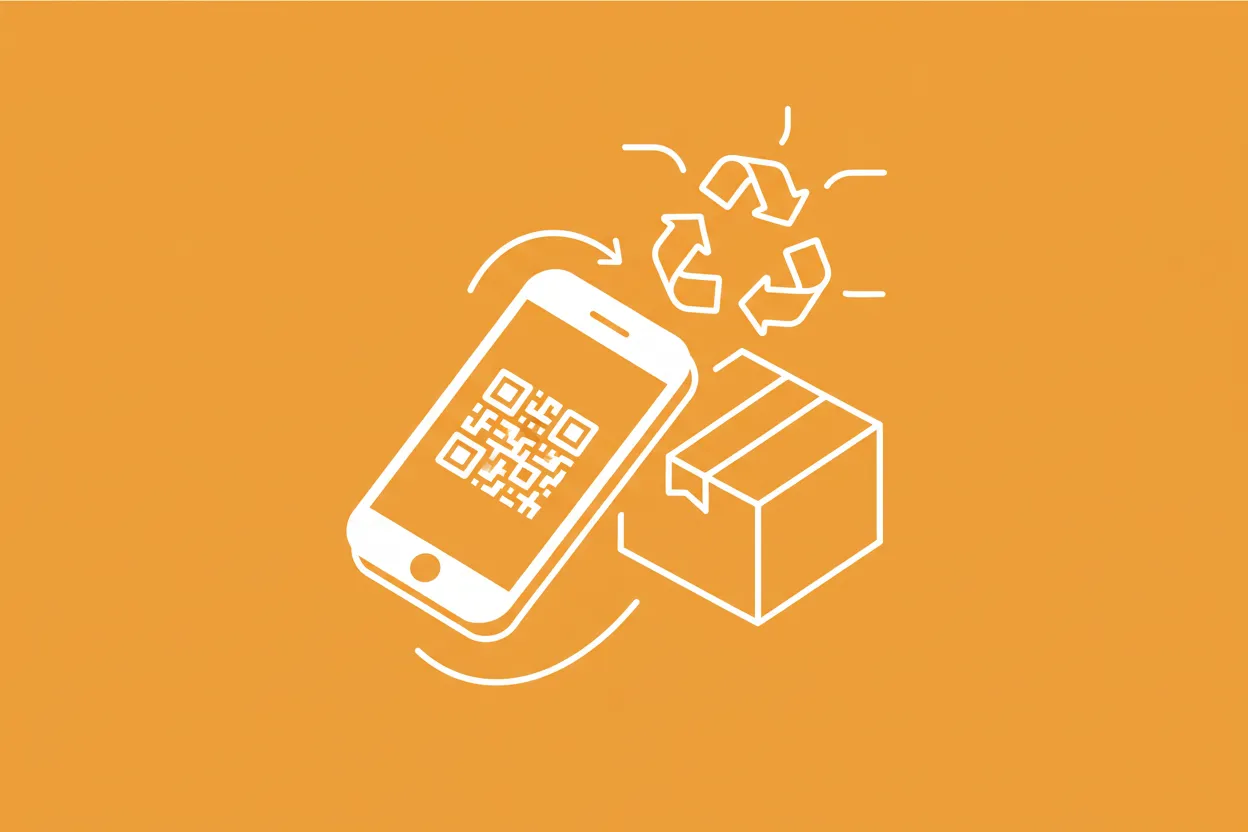
QR Code on Packaging (PPWR) is a digital label introduced by the EU to make packaging more transparent and easier to recycle. It provides clear info about what materials packaging contains and how to reuse or recycle it.
This innovation simplifies waste sorting for everyone. By scanning the QR code, consumers get instant guidance, helping reduce waste contamination and support recycling efforts.
Clear packaging info through QR codes connects people to recycling, reuse options, and producer responsibility. It’s a key step toward a circular economy where materials stay valuable and waste is minimized.
Definition: QR code on packaging (PPWR)
QR code on packaging (PPWR) is a digital label required by the EU’s Packaging and Packaging Waste Regulation. It shows clear info about the packaging’s materials, recyclability, and reuse options. This helps consumers sort waste properly and supports better recycling across Europe.
QR code on packaging (PPWR) shows clear info about materials, recyclability, and reuse options. It helps consumers sort waste properly and supports better recycling across Europe.
For example, when you buy a product with a QR code on its package, you can scan it with your phone to see exactly how to recycle or reuse that packaging. This makes it easier to sort waste correctly and reduces confusion about what goes where.
How QR codes became a key part of packaging rules in the EU
Why are QR codes appearing on so many packages now? This change comes from new EU rules that want to make packaging clearer and easier to recycle. The Packaging and Packaging Waste Regulation (PPWR) pushes for digital labels to improve waste sorting and recycling.
The PPWR, effective from February 2025, requires packaging in deposit and return or extended producer responsibility schemes to carry QR codes or similar digital tags. These codes link to details about what the packaging is made of and how to recycle it properly. This helps consumers avoid confusion and supports better waste management.
QR codes on packaging also fit into a bigger EU plan for digital tools that track products’ environmental impact. These codes connect to Digital Product Passports, offering transparency from production to disposal. It’s a smart way to help everyone make greener choices.
Starting August 2026, these labeling rules kick in fully, giving companies time to adapt. This step promotes more informed consumers and smoother recycling, moving us closer to a circular economy where materials keep flowing instead of becoming waste.
4 examples on how digital tools improve packaging transparency
Digital tools on packaging help consumers access important information quickly and easily:
- Recycling instructions: Scanning a code provides clear guidance on how to recycle specific materials. This encourages better waste sorting and reduces contamination.
- Material composition: Codes reveal what the packaging is made of, supporting informed choices and promoting circularity. Consumers can avoid materials that are hard to recycle.
- Producer responsibility info: Links connect consumers to details about extended producer responsibility (EPR) schemes. This increases awareness of who manages packaging waste.
- Reuse and refill options: Digital labels offer info on how to participate in refill programs. This supports reducing single-use packaging and waste generation.
While traditional labels can be confusing or incomplete, digital solutions deliver up-to-date, personalized data. This shift enhances transparency and empowers sustainable decisions at the point of purchase.
Key terms linked to digital packaging labels under new EU rules
Digital labels on packaging are set to improve recycling by providing clear, consistent information for consumers and recyclers.
- Harmonised labelling: Standard rules across the EU ensuring all packaging labels follow the same format.
- Recyclability grading: A system that rates how easy it is to recycle a package.
- Minimum recycled content: The required percentage of recycled material in new plastic packaging.
- Substances of concern: Harmful chemicals in packaging that must be limited or avoided.
- Digital data carrier: A standardized format, like QR codes, to store packaging information digitally.
- Consumer recycling instructions: Clear guidance on how to sort and recycle packaging correctly.
- Packaging Waste Regulation (PPWR): EU rules aiming to reduce packaging waste and improve circularity.
- Implementation timeline: The schedule for when new packaging rules and labels must be adopted.
Frequently asked questions on QR code use in packaging under PPWR
QR codes on packaging help connect consumers to detailed recycling and product info through their phones. Here are some common questions about this topic.
What is the Packaging and Packaging Waste Regulation (PPWR)?
PPWR is an EU law aiming to reduce packaging waste and boost recycling by setting rules on packaging design, recyclability, and recycled content. It promotes clear labeling and digital solutions like QR codes.
How do QR codes support digital labelling on packaging?
QR codes provide instant access to detailed info about packaging materials, recyclability, and disposal instructions. This digital labelling helps consumers recycle properly and supports extended producer responsibility (EPR).
What are harmonised labelling requirements in the EU?
Harmonised labelling means all EU countries use the same clear symbols and digital info on packaging. This consistency helps consumers across Europe understand recycling instructions easily, improving circularity.
How does PPWR address recyclability and recyclability grading?
PPWR requires packaging to be designed for easy recycling and graded for recyclability. QR codes can share this grading info, helping consumers and waste managers identify how to sort and recycle packaging correctly.
What is the role of minimum recycled content in plastic packaging?
PPWR sets minimum recycled plastic percentages to reduce reliance on virgin materials and encourage a circular economy. QR codes can provide transparency on recycled content, supporting informed choices and producer accountability.
Why are substances of concern regulated in packaging materials?
Certain chemicals can harm health or the environment. PPWR limits these substances to make packaging safer and more recyclable. QR codes can disclose material safety info, aiding responsible recycling and EPR goals.
What are standardised, open, digital data carriers for packaging?
These are agreed-upon digital formats like QR codes that store packaging info openly and accessibly. They enable seamless data sharing between producers, recyclers, and consumers, making circularity easier.
When will PPWR provisions, including QR code requirements, be implemented?
PPWR rules will roll out gradually, starting from 2024 with full compliance expected by 2030. This timeline gives industry time to adopt QR codes and other digital labelling tools, improving waste management and circularity.
