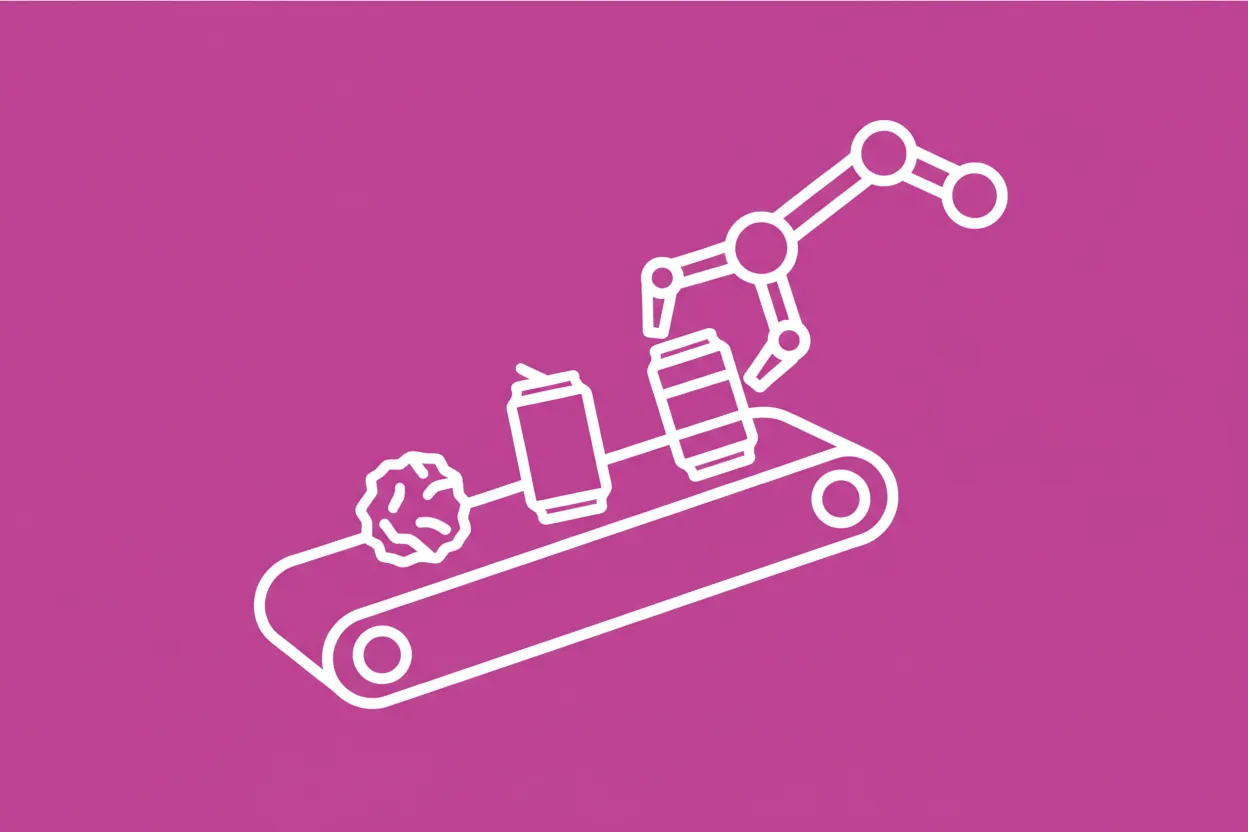
Sorting facilities are like mailrooms for recyclables, where mixed materials get sorted into the right “mailboxes” so they can be reused properly. Think of it as a team effort where machines and people work side by side, just like sorting letters by destination and type. This careful sorting helps keep materials clean and ready to be turned into new products, closing the loop in the circular economy.
Definition: sorting facility
A sorting facility is where recyclable materials like plastic, paper, metal, and glass are separated and organized to prepare them for recycling. Workers and machines sort the mixed waste you put in recycling bins into groups so each material can be properly recycled instead of thrown away.
Sorting facilities separate mixed recyclable waste into groups for proper recycling. They use workers and machines to organize materials like plastic and metal.
Think about when you toss a bunch of different recyclables into one bin. At the sorting facility, machines like magnets pull out metals, and optical sorters use sensors to identify plastics by type or color. Workers also pick out items by hand. This makes sure the materials are clean and ready to be turned into new products.
Common misunderstandings about how sorting facilities work
Ever wonder why some recycling efforts don’t seem to work as expected? Misunderstandings about sorting facilities often cause confusion and frustration. Learning what these facilities can and cannot handle helps make recycling more effective.
Not every plastic item you rinse off is accepted for recycling. Some materials, like plastic bags or black plastic, often aren’t processed at standard sorting facilities. Contamination or mixing non-recyclable waste can cause entire batches to be rejected, ending up in landfill or energy recovery instead. Knowing your local rules and sorting carefully supports smooth recycling operations.
Mistakes happen, but don’t let that stop you from trying. Clear instructions and training can reduce errors and improve results over time.
Sorting facilities are essential partners in recycling but work best when we all understand their limits and follow proper sorting guidelines. 3 examples on how materials are separated for recycling
Here are some common ways materials are sorted to improve recycling quality:
- Magnetic separation: This method uses magnets to pull out metals like iron and steel from mixed waste. It’s a fast way to recover valuable metals for reuse.
- Optical sorting: Sensors detect materials by color and type, then air jets push items into different bins. This technology helps separate plastics, paper, and glass efficiently.
- Density separation: Materials are sorted based on weight by using water or air flows. Lighter items float or rise while heavier ones sink, allowing clear separation.
While these methods work well individually, combining them creates a more complete recycling process. Relying on just one technique often leaves materials mixed, reducing the chance to recycle correctly.
Terms related to waste processing and material recovery
Many recycling processes depend on separating materials efficiently to improve resource recovery and reduce landfill waste.
- Material recovery: The process of extracting valuable materials from waste for reuse or recycling.
- Waste segregation: Sorting waste into different categories like paper, plastic, and metal to make recycling easier.
- Industrial automation: Using machines and technology to sort and process materials faster and more accurately.
- Resource efficiency: Maximizing the use of materials to minimize waste and environmental impact.
- Supply chain logistics: Managing the movement and storage of materials through recycling and production systems.
- Circular economy: An economic model focused on reusing resources continuously to reduce waste.
- Environmental sustainability: Practices that protect natural resources and reduce pollution through better waste management.
Frequently asked questions about sorting facilities
Sorting facilities play a key role in turning waste into valuable materials for reuse and recycling.
What is the role of a sorting facility in waste management?
Sorting facilities separate mixed waste into different material types, making recycling easier and reducing landfill use.
How do sorting facilities improve recycling rates?
By efficiently separating plastics, metals, paper, and glass, sorting facilities ensure cleaner streams for recycling, boosting reuse success.
What is material recovery in a sorting facility?
Material recovery means extracting valuable materials from waste so they can be reused instead of thrown away.
How do sorting facilities support the circular economy?
They help keep materials in use longer by turning waste back into raw materials for new products, closing the resource loop.
Why is waste segregation important before reaching sorting facilities?
Proper segregation by households and businesses makes sorting faster and more effective, improving recycling quality.
How does supply chain logistics relate to sorting facilities?
Efficient transport and handling of sorted materials reduce costs and environmental impact, making the whole recycling chain smoother.
Can sorting facilities contribute to environmental sustainability?
Yes, by reducing waste sent to landfills and saving resources, sorting facilities cut pollution and conserve energy.
What role does resource efficiency play in sorting operations?
Sorting facilities maximize the recovery of usable materials, reducing the need for new raw materials and lowering environmental footprints.
How is industrial automation used in sorting facilities?
Automation uses machines and sensors to quickly and accurately sort materials, increasing speed, safety, and sorting precision.
