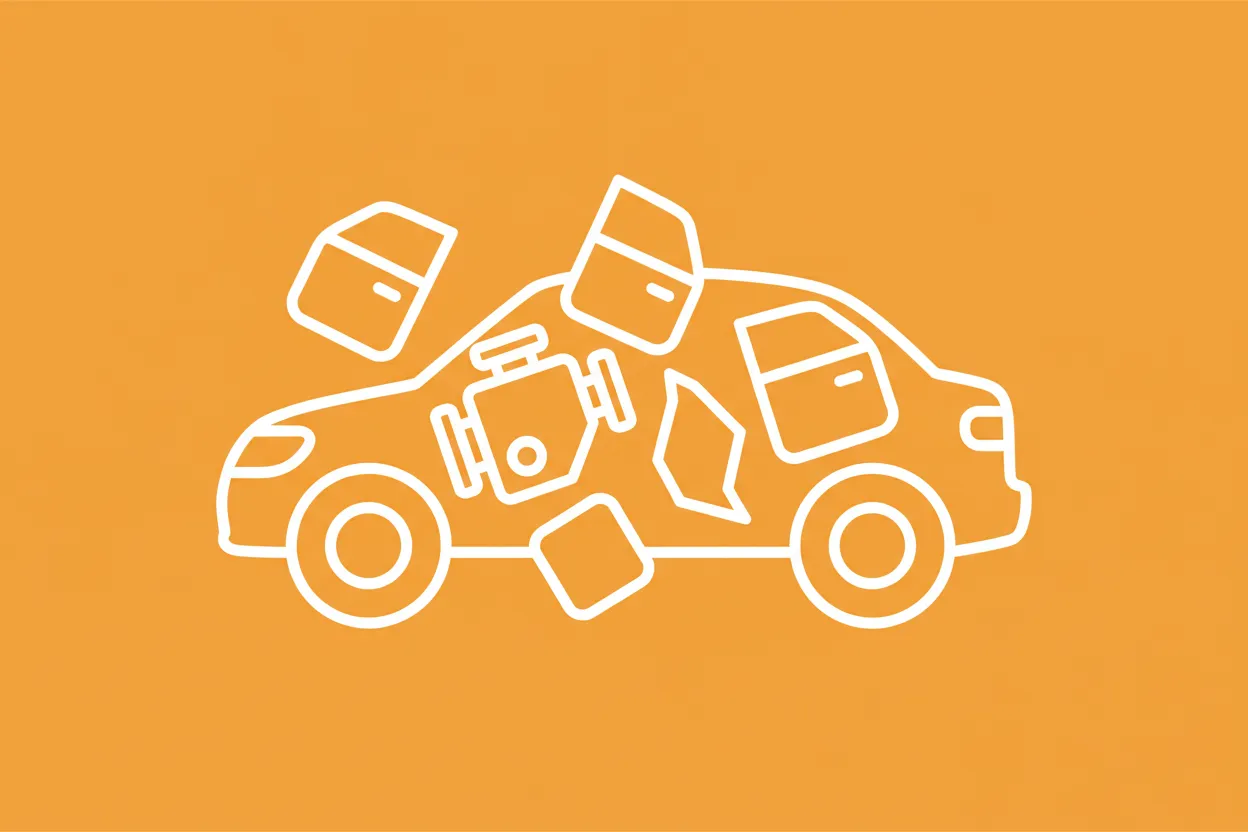
Old cars don’t just disappear; they become a source of valuable parts and materials through a careful process. Vehicle dismantlers play an important role by safely taking apart these vehicles to recover useful components and recycle metals. This helps reduce waste and pollution while conserving natural resources.
By giving old car parts a second life, vehicle dismantlers support a circular economy that keeps materials in use longer. They also handle hazardous fluids responsibly, protecting the environment. Their work benefits both people and the planet by saving money and reducing pollution.
Definition: vehicle dismantler
A vehicle dismantler is a business or facility that safely takes apart old or unwanted vehicles to recover useful parts and materials. They focus on reusing and recycling these components to reduce waste and pollution while conserving resources.
Vehicle dismantlers focus on reusing and recycling vehicle parts to reduce waste. They safely take apart old cars to recover valuable materials.
For example, when a car can no longer be used, a vehicle dismantler removes parts like engines or tires to sell as used replacements. They also recycle metals and handle hazardous fluids carefully, keeping harmful substances out of the environment.
Clearing up myths about vehicle recycling and dismantling
Have you ever wondered if scrapping a car is really complicated or if only old cars can be recycled? Many people have questions and wrong ideas about how vehicle dismantling works and its impact.
The truth is, scrapping a car today is often quick and easy with services that handle everything, including free collection and paperwork. Newer or damaged vehicles can be recycled, too, making the process practical and eco-friendly. Plus, recycling recovers valuable metals, so it often comes with a financial benefit.
Some worry about environmental harm, but modern dismantling follows strict rules to protect nature. It's important to use authorized facilities that safely drain fluids and recycle parts rather than scrapping cars anywhere.
Recycling a car supports a circular economy by turning materials into new products, reducing waste and pollution. This process helps the environment, saves energy, and even supports local jobs.
7 examples on how to improve end-of-life vehicle processing
Here are practical ways to boost recycling and sustainability in vehicle end-of-life management:
- Parts reuse: Salvaging functional components extends their life and reduces waste. This lowers demand for new parts and saves resources.
- Metal recovery: Extracting steel, aluminum, and other metals supports circularity by feeding materials back into production. Metals are highly recyclable without quality loss.
- Fluid management: Properly draining and recycling oils and coolants prevents pollution. It also recovers valuable substances for reuse.
- Battery recycling: Handling vehicle batteries carefully recovers lithium, cobalt, and other critical materials. This reduces reliance on mining.
- Plastic sorting: Separating plastics by type allows for targeted recycling pathways. Clean plastic waste becomes feedstock for new products.
- EPR participation: Engaging in extended producer responsibility schemes ensures producers contribute to vehicle waste handling costs. This drives better system funding and accountability.
- Digital tracking: Using technology to monitor vehicle parts and materials improves transparency. It supports efficient processing and compliance with regulations.
While some practices focus on material recovery, others emphasize pollution prevention and system responsibility. Together, they create a balanced approach to sustainability in vehicle waste management.
Terms related to dismantling and recycling vehicles
Recycling vehicles helps recover valuable materials while reducing environmental impact.
- Automotive Recycling: The process of breaking down old vehicles to reuse parts and materials.
- End-of-Life Vehicle Processing: Managing vehicles that are no longer usable to ensure safe disposal or reuse.
- Scrap Metal Recycling: Collecting and melting down metal parts from vehicles to create new metal products.
- Hazardous Material Handling: Safely managing harmful substances like oils and batteries found in vehicles.
- Parts Remanufacturing: Restoring used vehicle components to like-new condition for resale or reuse.
- Environmental Compliance: Following laws and guidelines to minimize pollution during vehicle recycling.
Frequently asked questions on vehicle dismantling
Here are the answers to the top questions people ask about vehicle dismantling and its role in sustainability.
What is automotive recycling?
Automotive recycling involves breaking down old or unwanted vehicles to recover useful parts and materials. This process reduces waste, saves resources, and supports a circular economy by giving materials a second life.
How are end-of-life vehicles processed?
End-of-life vehicles are safely dismantled to remove hazardous substances and salvage reusable parts. The remaining metal is shredded and sent for recycling, minimizing landfill waste and environmental impact.
What role does scrap metal recycling play?
Scrap metal recycling recovers steel, aluminum, and other metals from vehicles. Recycling metal uses less energy than mining new ore, reducing pollution and conserving natural resources.
How is waste managed in vehicle dismantling?
Waste management ensures that harmful fluids and materials like oil, batteries, and plastics are handled safely. Proper disposal and recycling prevent pollution and protect human health.
How are hazardous materials handled?
Hazardous materials from vehicles are carefully removed and treated according to safety regulations. This prevents toxic substances from leaking into the environment and harming people.
What is parts remanufacturing?
Parts remanufacturing restores used vehicle components to like-new condition. This saves resources and energy, reduces waste, and often provides affordable replacement parts.
How does vehicle dismantling support the circular economy?
Vehicle dismantling keeps materials in use by recovering parts and recycling metals. This reduces the need for new raw materials and lowers environmental impacts, promoting a more sustainable system.
What environmental compliance rules apply?
Vehicle dismantlers must follow laws on emissions, waste disposal, and hazardous material handling. Compliance ensures environmental protection and helps businesses operate responsibly.
How is resource recovery achieved?
Resource recovery extracts valuable materials from old vehicles, like metals, plastics, and glass. This reduces the demand for virgin resources and supports sustainable manufacturing.
