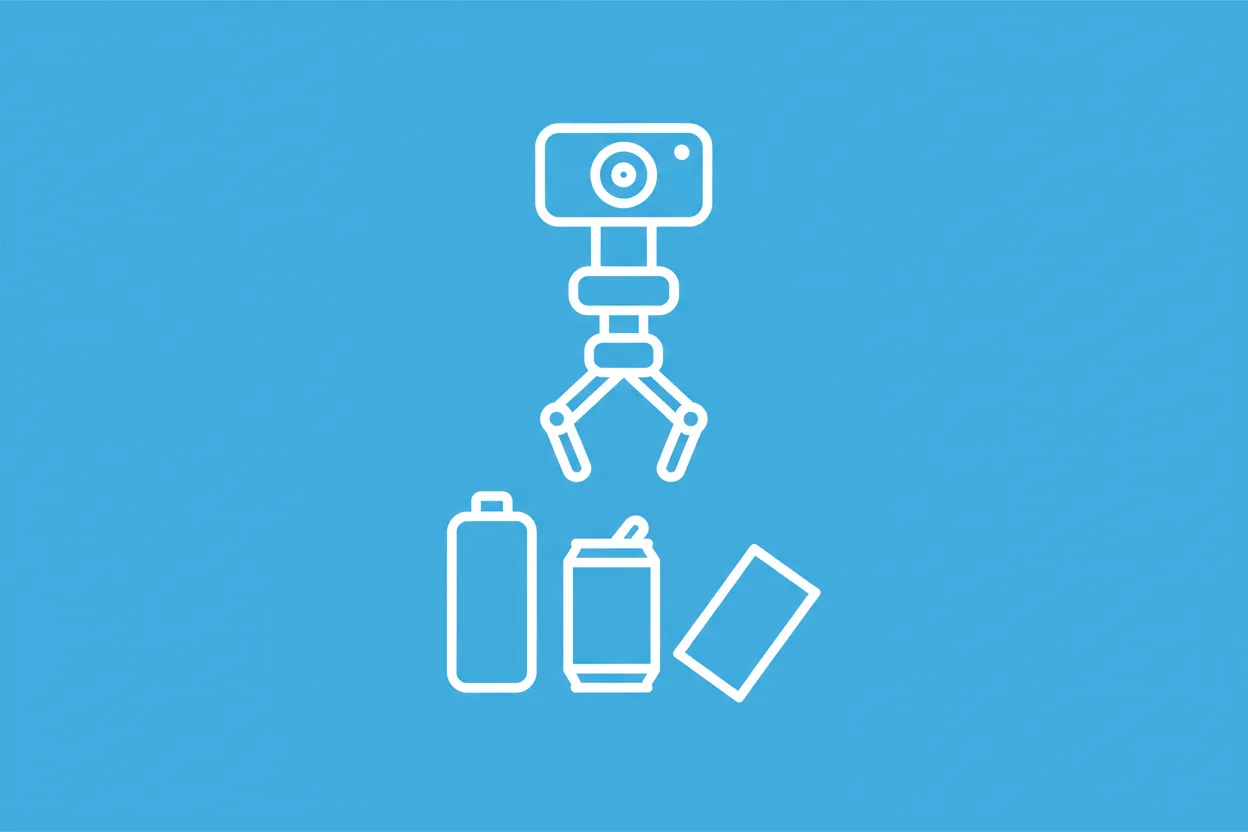
Sorting waste is a big challenge because trash often comes mixed together, making it hard to separate materials like plastic, metal, or paper. New technology called AI-powered waste sorting uses smart tools like cameras and computers to recognize and separate these materials quickly and accurately. This way, recycling plants can do a better job, sending less waste to landfills and turning more trash into reusable resources.
As waste becomes more complex, sorting needs to be faster and more precise than ever before. AI-powered waste sorting meets this need by combining clever software with robotic machines that adapt and improve over time. This smart approach helps recycling keep up with today’s challenges and supports a future where materials are used again and again.
Definition: AI-powered waste sorting
AI-powered waste sorting uses artificial intelligence to quickly and accurately separate different types of waste like plastic, paper, metal, and glass. It relies on cameras and sensors to identify materials and robotic machines to sort them, making recycling faster and reducing landfill waste.
AI-powered waste sorting uses cameras and AI software to identify materials. It separates waste more accurately and efficiently than manual sorting.
For example, when mixed trash arrives at a recycling center, AI systems snap pictures of each item and analyze its shape and color. Then, robotic arms pick out plastics from metals automatically, speeding up the process and improving how much waste gets recycled.
How has AI transformed waste sorting in Europe over time?
Have you noticed how recycling has become smarter? The story of AI-powered waste sorting in Europe began with simple machines that collected bottles. Over the years, new technologies have changed how recyclables are identified and separated.
Early efforts focused on reverse vending machines that encouraged bottle returns, boosting recycling rates. Then, AI entered the scene, starting with data analytics to optimize waste collection routes. Later, robots with computer vision and machine learning began sorting complex waste materials quickly and accurately.
These innovations didn’t happen overnight; collaboration between companies and countries fueled progress. From Nordic pioneers to UK and German adopters, AI-driven systems now handle a variety of recyclables, improving efficiency and reducing environmental impact.
AI-powered waste sorting is a key step toward a circular economy. By making recycling faster and more precise, it helps turn waste into valuable resources and supports a sustainable future.
4 examples on innovative waste sorting technologies
Here are some ways technology is making waste sorting smarter and more efficient:
- Optical sorting: Uses cameras and sensors to identify materials by color and shape. This method improves material recovery rates by quickly sorting plastics and paper.
- Robotic arms: Equipped with advanced sensors and machine learning, these robots pick and separate waste items. They boost sorting accuracy and reduce human error.
- Near-infrared (NIR) scanning: Detects different polymers by their light absorption patterns. This helps in precisely identifying plastics, even when mixed together.
- Eddy current separators: Use magnetic fields to separate non-ferrous metals like aluminum. This technology enhances the recycling process by isolating valuable metals from mixed waste.
While traditional sorting relies heavily on manual labor and simple mechanical processes, these technologies bring speed and precision. That difference can lead to cleaner recyclables and less waste sent to landfills.
Terms related to smart waste sorting technologies
Many cities are adopting advanced tools to improve recycling and reduce waste sent to landfills.
- Machine learning: A method where computers learn patterns from data to improve sorting accuracy over time.
- Smart waste management systems: Integrated setups that optimize collection, sorting, and recycling processes.
- Computer vision: Technology that helps machines identify different materials by analyzing images.
- Automation: Using machines to perform sorting tasks with minimal human intervention.
- Internet of Things (IoT): Sensors and devices connected to track waste movement and status in real time.
- Robotics: Robots designed to handle and sort waste efficiently and safely.
- Data analytics: Analyzing sorting data to find ways to improve recycling rates and reduce errors.
- Circular economy technologies: Innovations that support reusing materials and minimizing waste generation.
- Environmental sensor integration: Devices that monitor conditions like temperature or humidity to optimize waste processing.
Frequently asked questions on AI-powered waste sorting
Explore how AI technologies are transforming the way we sort and manage waste for a cleaner, more circular future.
How does machine learning improve recycling processes?
Machine learning helps systems learn from data to better identify and sort materials. It makes recycling more accurate and efficient, reducing contamination and increasing the quality of recycled materials.
What role does computer vision play in material identification?
Computer vision uses cameras and AI to recognize different types of waste quickly. This technology enables precise sorting by detecting materials that humans might miss, boosting recycling rates.
How do smart waste management systems work?
Smart systems combine sensors, AI, and data to monitor waste levels and optimize collection routes. They reduce overflow, save fuel, and enhance recycling by making the whole process smarter and more responsive.
Can robotics enhance waste handling?
Robots automate physically demanding tasks like picking and sorting waste. They work faster, reduce human exposure to hazards, and improve sorting accuracy, supporting a safer and more efficient recycling chain.
What is the Internet of Things (IoT) role in waste tracking?
IoT connects waste bins and machines to the internet, sending real-time data on waste types and volumes. This helps track materials through the recycling process, ensuring better resource management and transparency.
