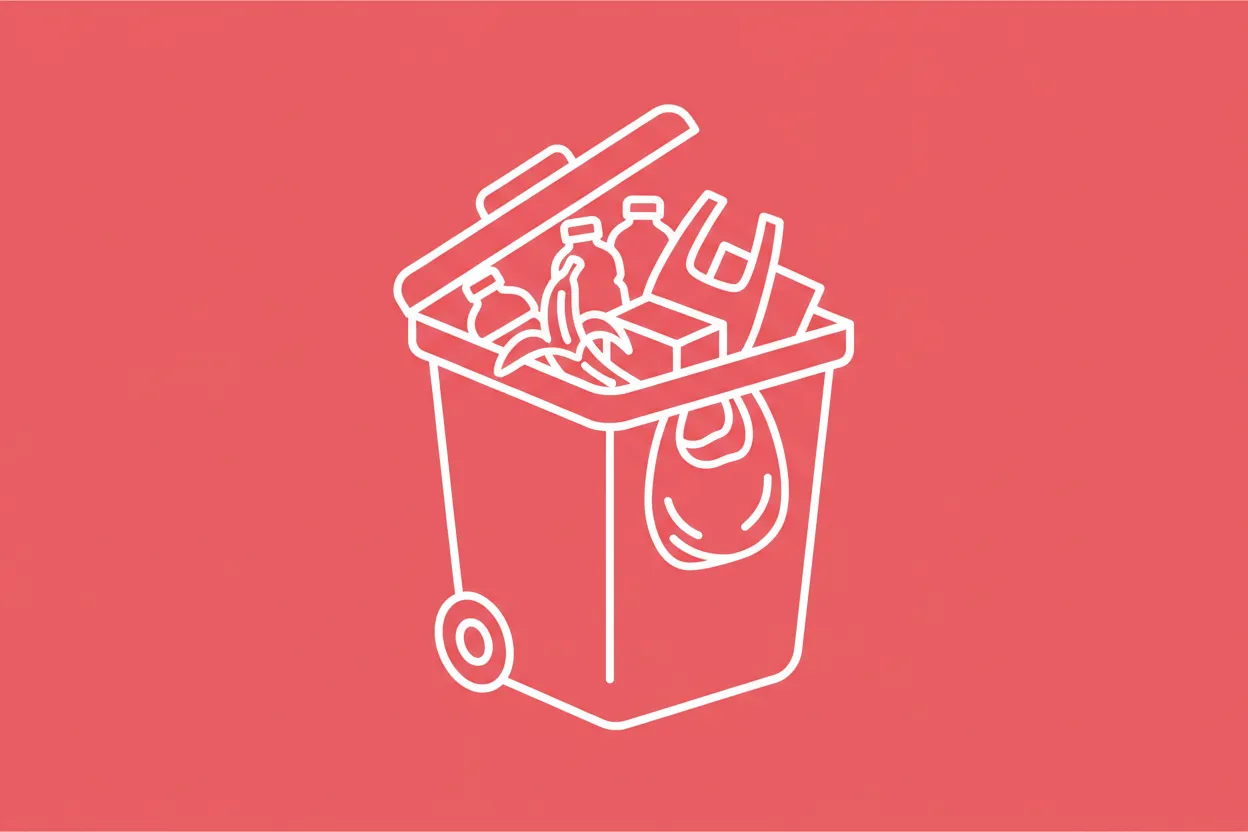
Nearly one-third of materials placed in recycling bins can be unwanted or non-recyclable, raising the contamination rate (recycling). This means trash like food scraps or plastic bags often mix with recyclables, making the process less effective. High contamination rates slow down recycling centers and may cause entire batches to be thrown away instead of reused.
Keeping contamination low is key to turning waste into new products smoothly. When recyclables are clean and well-sorted, recycling facilities save energy and resources, helping the environment. Simple habits like rinsing containers or avoiding plastic bags in the bin can make a big difference for the planet.
Did you know contamination not only wastes materials but also increases costs and emissions? By checking what goes into your recycling bin, you help support a circular economy where materials keep being reused instead of thrown away. What small change can you make today to lower contamination?
Definition: contamination rate (recycling)
Contamination rate (recycling) measures how much unwanted or non-recyclable material is mixed with items meant for recycling. It shows how clean or dirty recycling bins are. A high contamination rate means more trash like food scraps or plastic bags end up with recyclables, making recycling harder and less effective.
Contamination rate (recycling) shows how clean or dirty recycling bins are. It measures how much unwanted or non-recyclable material mixes with recyclables.
For example, if you toss a greasy pizza box or a plastic bag into your recycling bin, the contamination rate rises. This can cause recycling centers to reject the whole batch, sending it to landfill instead. Keeping contamination low by rinsing containers and sorting properly helps turn waste into new products smoothly. Have you checked what’s in your recycling bin lately?
Clearing up common myths about recycling contamination rates
Ever wonder why recycling bins sometimes cause more trouble than help? Many people don’t realize that contamination in recycling isn’t just about tossing the wrong item in the bin. It’s about how these mistakes slow down recycling and make recycled materials less useful.
Not all plastics can be recycled, even if they look similar. Films or wrappers often cause contamination because they can’t be processed easily. Also, dirty recyclables, like greasy pizza boxes or food-stained paper, can spoil whole batches, increasing costs and waste. Recycling involves careful sorting, and contamination disrupts this process, sometimes sending materials to landfills instead.
Recycling rates alone don’t tell the full story. The quality of recycled materials matters just as much, and contamination lowers this quality. Reducing waste and reusing items are equally important steps alongside recycling.
Getting these facts right helps everyone improve recycling habits and protect the planet. Small changes in what we recycle can make a big difference.
3 examples on common recycling mistakes that increase waste
Here are some everyday habits that can cause problems in recycling efforts:
- Food residue on containers: When leftover food or liquids remain inside bottles or boxes, it can spoil whole batches of recyclables. Clean items help keep recycling streams pure and efficient.
- Mixing plastic types: Putting different kinds of plastics together, like bags with bottles, can confuse sorting machines. This mixing of plastics often leads to recyclable materials being discarded.
- Non-recyclable items in bins: Throwing items like greasy pizza boxes or certain plastics into recycling bins causes contamination. These materials can’t be processed and end up in landfills instead.
Even with good intentions, small mistakes can lead to large problems in recycling systems. When contamination happens, valuable materials often get wasted rather than reused.
Key terms linked to recycling challenges
Recycling success depends greatly on how well materials are sorted and kept clean, ensuring higher quality and better reuse.
| Term | Description |
|---|---|
| Recycling Efficiency | Measures how effectively materials are processed into new products. |
| Waste Sorting | The process of separating different types of waste for easier recycling. |
| Material Purity | The cleanliness and uniformity of recycled materials, crucial for reuse. |
| Recyclate Quality | The standard of recycled material after processing, influencing its value. |
| Resource Recovery | The method of extracting useful materials from waste for further use. |
Frequently asked questions on contamination rate in recycling
Contamination rate affects how well recycling works and how clean the recycled materials are.
What is contamination rate in recycling?
Contamination rate measures how much non-recyclable or dirty material ends up in recycling bins. Lower contamination means cleaner recycling streams and better quality recyclate.
How does contamination affect recyclate quality?
Contaminants can damage recycled materials, reducing their purity and making them less useful for new products. Clean recycling helps produce high-quality recyclate.
Why is waste sorting important?
Proper waste sorting separates recyclables from trash and organics. Good sorting lowers contamination rates and improves the efficiency of recycling systems.
How does contamination impact recycling efficiency?
High contamination slows down recycling processes, increases costs, and can cause recyclable items to be rejected or sent to landfill.
What role does packaging waste play in contamination?
Packaging that mixes materials (like plastic and metal) or isn’t cleaned properly often causes contamination, making recycling more difficult.
How can contamination rates support a circular economy?
Lower contamination means materials can be reused more easily, keeping resources in the loop longer and reducing the need for new raw materials.
What is the effect of contamination on resource recovery?
When contamination is high, valuable materials get lost or damaged, reducing how much can be recovered and reused from waste streams.
