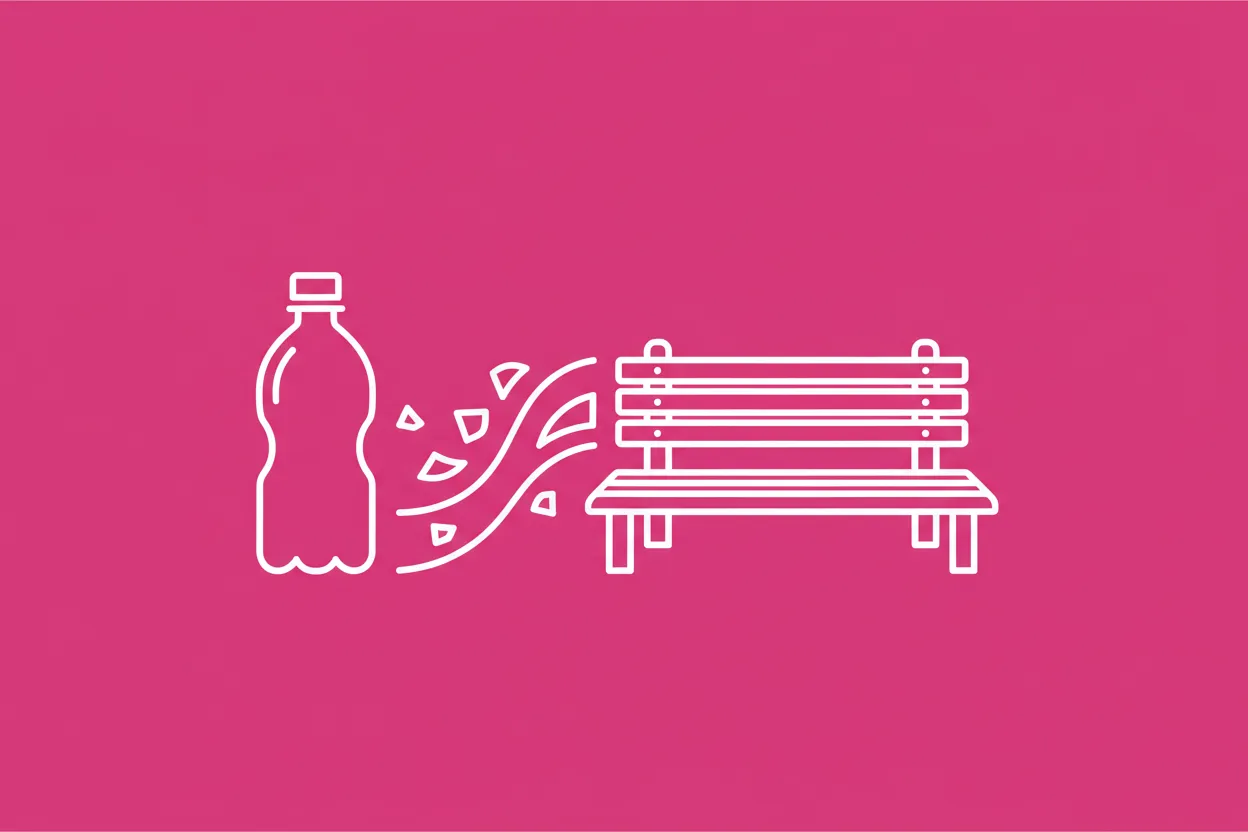
Picture tossing an old plastic bottle into the recycling bin, hoping it will become a brand-new bottle again. Instead, it might end up as a park bench or fabric fibers—still useful, but not quite the same as before. This process is called downcycling.
Think of it like turning a crisp dollar bill into a worn coupon; the value drops even though it’s still accepted. Downcycling helps keep materials out of the trash, but each time materials are reused this way, they lose some of their original strength or quality.
When paper is recycled into cardboard or plastic bottles become textiles, the materials serve a new purpose but can’t return to their top form. This means eventually fresh resources are needed, highlighting the importance of smarter design and recycling efforts to keep materials in use longer.
Definition: downcycling
Downcycling is the process of recycling materials into products of lower quality or value than the original. Instead of making the same high-quality item again, downcycling turns materials into less durable or useful forms. This reduces waste but shortens the material’s lifespan.
Downcycling turns materials into less durable or useful forms. It is the process of recycling materials into products of lower quality or value than the original.
For example, plastic bottles recycled into park benches or clothing fibers show downcycling. The plastic can’t become new bottles but still serves a purpose. This lowers waste but means the material won’t last as long or be reused at the same quality again.
Why do some recycling processes reduce material quality?
Have you noticed that not all recycled products are as good as the originals? Sometimes, recycling turns materials into lower-quality versions, a process called downcycling. This happens when impurities build up, making it hard to restore the material fully.
For example, steel from old cars often contains bits of copper or tin. When recycled, this steel can't be used for making new cars because it’s weaker. Instead, it’s repurposed for construction, which requires less strict material standards. This shows how downcycling keeps materials in use but lowers their value.
Downcycling helps reduce waste but doesn't stop materials from breaking down over time. The loss in quality means more energy and resources are needed to make new products.
Shifting focus to upcycling offers a better path—turning waste into higher-value items supports a real circular economy.
5 examples on what happens when materials lose value after recycling
When materials are recycled but their quality or usefulness drops, it affects how they can be reused. Here are some common situations where this happens:
- Plastic bottles to fibers: Used PET bottles are turned into fibers for clothing or carpets, but the plastic can’t be recycled back into clear bottles easily. This limits its reuse in food packaging due to quality loss.
- Paper to cardboard: High-quality paper is often recycled into lower-grade cardboard or packaging. The fibers get shorter and weaker, so the product can’t return to premium paper.
- Glass to construction aggregate: Broken glass sometimes becomes crushed glass used in roadbeds or concrete. It no longer serves as clear glass containers, reducing its value in packaging.
- Aluminum cans to lower-grade products: Recycled aluminum cans may be turned into parts for cars or appliances rather than new cans, which require purer aluminum. This shifts the material to less demanding uses.
- Textiles to insulation: Old clothes and fabric scraps can be shredded and used as building insulation, but their fibers lose strength and can’t be made into new garments again.
Sometimes materials keep their quality and can be recycled repeatedly, like some metals or glass, but often recycling leads to lower-value uses. This change shapes how waste systems and producers manage materials to keep them useful longer.
Terms related to downcycling
Many materials lose quality during recycling, which affects how they can be reused.
- Recycling: The process of collecting and processing materials to make new products.
- Upcycling: Turning old or waste materials into new items of higher value or quality.
- Waste management: Strategies and actions to handle waste from creation to disposal.
- Circular economy: A system focused on reusing and recycling materials to reduce waste.
- Material recovery: Extracting useful materials from waste for further use.
- Resource efficiency: Using materials and energy in ways that minimize waste and environmental impact.
- Sustainable manufacturing: Producing goods with minimal harm to the environment and resources.
- Life cycle assessment: Evaluating the environmental impact of a product from creation to disposal.
Frequently asked questions on downcycling
Downcycling is a recycling process where materials are converted into products of lower quality or value. It helps reduce waste but has limits for true circularity.
What is downcycling compared to recycling?
Downcycling turns used materials into lower-quality products, while recycling aims to keep materials at the same quality level. Downcycling helps reduce waste but may limit how many times material can be reused.
How does downcycling affect the circular economy?
Downcycling supports circular economy goals by extending material use and reducing landfill waste. However, it’s less effective than recycling or upcycling because the material’s quality degrades over time.
Can downcycling improve resource efficiency?
Yes, downcycling improves resource efficiency by reusing materials instead of extracting new ones. Though it’s not perfect, it saves energy and reduces environmental impact compared to throwing items away.
What role does downcycling play in waste management?
Downcycling is a useful waste management strategy that diverts materials from landfills. It’s a practical step but should be combined with recycling and waste reduction for better sustainability.
How does product design influence downcycling potential?
Designing products with simpler materials and fewer additives makes downcycling easier and more effective. Sustainable product design helps materials stay useful longer, supporting circular goals.
