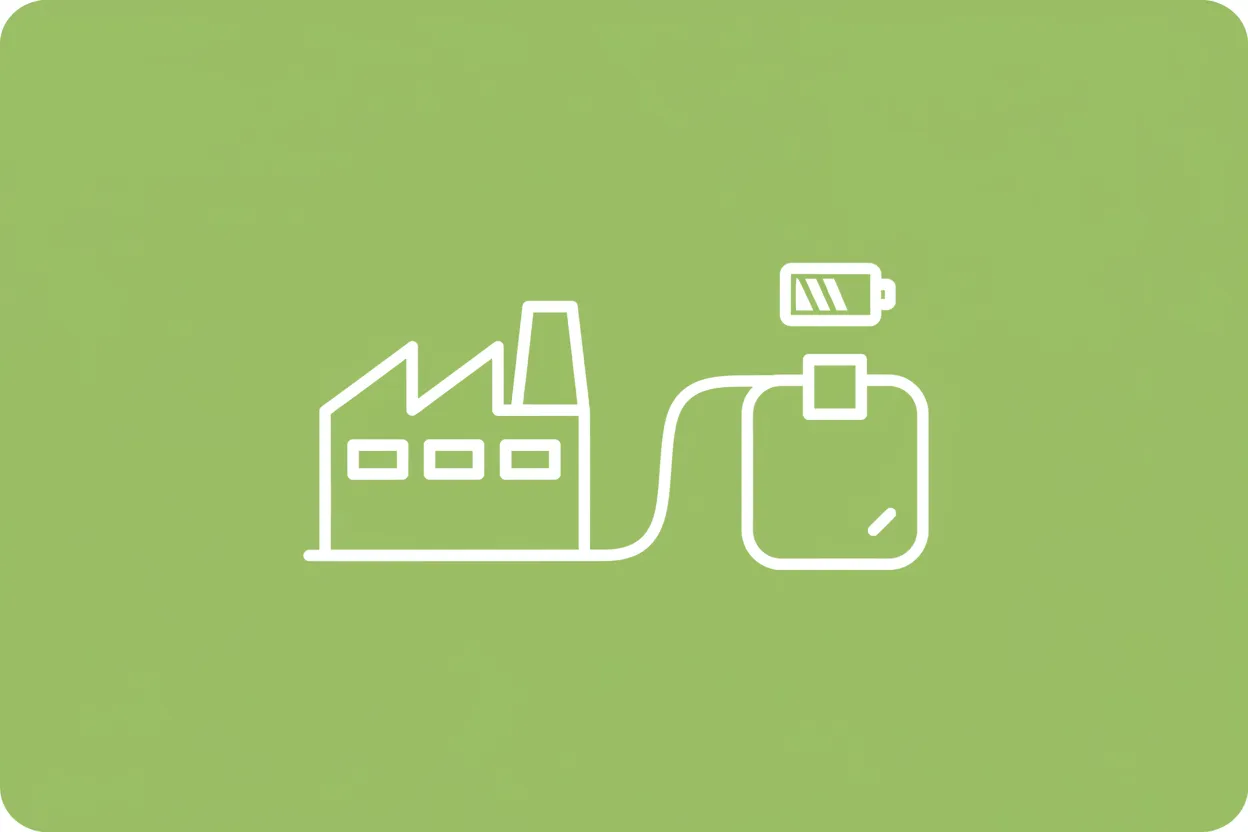
Every product carries a hidden energy cost, known as embodied energy, which adds up from raw material extraction all the way to assembly. This total energy use matters because it reveals the environmental impact before we even start using the product.
Knowing embodied energy helps us see why some materials, like aluminum, demand more energy upfront compared to others such as wood. Choosing materials with lower embodied energy supports sustainability by cutting down waste and emissions.
By thinking about embodied energy, we can make smarter decisions—like buying second-hand or recycling—that reduce the overall energy footprint. It’s a powerful way to support a circular economy and a greener future.
Definition: embodied energy
Embodied energy is the total energy used to make a product, covering every step from gathering raw materials to manufacturing, transporting, and assembling. It shows the energy hidden in products before we even use them, helping us see their full environmental impact.
Embodied energy covers every step from raw material extraction to assembly. It is the total energy used to make a product.
Think about a wooden chair: embodied energy includes cutting the tree, processing the wood, shipping all parts, and building the chair. This helps us understand why some materials, like aluminum, use more energy upfront than wood, guiding smarter, greener choices.
Tracing the development of energy use in products
Have you ever thought about how much energy goes into making the things we use every day? This includes everything from gathering raw materials to shipping and even disposal. Embodied energy tracks all these stages and shows how energy use has changed over time.
The idea of measuring energy tied to products began centuries ago with early economists who studied how energy flows through economies. Later, scientists applied these ideas to agriculture and ecosystems, highlighting energy’s role beyond just fuel or electricity. In the 20th century, new models helped map energy use across industries, giving a clearer picture of direct and indirect energy costs in production.
Europe has played a key role in pushing embodied energy into the spotlight, especially through sustainability goals. Laws like the Energy Performance of Buildings Directive focus on cutting energy use not just during building operation but throughout a product’s entire life. This shift reflects a growing understanding of energy’s full impact on the environment.
Counting all the energy behind our products helps reduce waste and emissions. It reminds us that sustainability starts with knowing the true cost of making and using things.
4 examples on the hidden energy in everyday materials
Here are some common materials and where the hidden energy in their production comes from:
- Aluminum: The process of mining bauxite ore and refining it into aluminum metal uses a lot of energy. This is why recycling aluminum saves significant resources.
- Concrete: Producing cement, a key ingredient in concrete, involves heating limestone to very high temperatures. This heating step consumes a large amount of energy from fossil fuels.
- Plastic: Most plastics start as oil or natural gas, which need to be extracted and processed. The transformation into plastic products requires energy-intensive chemical reactions.
- Glass: Melting raw materials like sand into glass requires sustained high heat. The energy used in melting affects the overall environmental impact of glass items.
Some materials take much more energy to make than others, even if they look similar or serve the same purpose. Recognizing this helps to choose smarter, more sustainable options.
Terms related to energy used in production and materials
Energy use in making products affects both the environment and resource use throughout their life.
- Life Cycle Assessment (LCA): A method to evaluate the environmental impacts of a product from start to finish.
- Carbon Footprint: The total greenhouse gases emitted directly or indirectly by a product or activity.
- Sustainable Building Materials: Materials chosen for construction that minimize environmental harm.
- Energy Efficiency: Using less energy to perform the same task, reducing waste and costs.
- Circular Economy: A system focused on reusing and recycling materials to keep resources in use longer.
- Material Flow Analysis: Tracking the movement and use of materials through a system to improve resource management.
Frequently asked questions on embodied energy
Embodied energy is a key part of making products and buildings more sustainable. Here are answers to common questions about it.
What is embodied energy?
Embodied energy is the total energy used to make a product or building material, from extraction to manufacturing and transport. It helps show the hidden energy costs before use.
How does embodied energy relate to carbon footprint?
Embodied energy contributes to a product’s carbon footprint because the energy used often comes from fossil fuels, releasing greenhouse gases. Lower embodied energy means less carbon impact upfront.
Which materials have low embodied energy?
Natural materials like wood and bamboo usually have lower embodied energy than metals or concrete. Choosing these helps reduce environmental impact in buildings and products.
How does embodied energy fit into circular economy?
Circular economy aims to reuse and recycle materials to cut down on new production. This reduces embodied energy by keeping materials in use longer and avoiding energy-heavy extraction.
Can energy efficiency reduce embodied energy?
Energy efficiency mainly lowers energy during use, but it doesn’t affect embodied energy directly. However, designing durable, low-maintenance products can indirectly reduce embodied energy over time.
What role does life cycle assessment (LCA) play?
LCA measures environmental impacts, including embodied energy, over a product’s full life. It helps identify hotspots where energy savings can make the biggest difference.
How does cradle to cradle design affect embodied energy?
Cradle to cradle design focuses on creating products that can be fully reused or recycled. This approach helps minimize embodied energy by reducing waste and the need for new materials.
