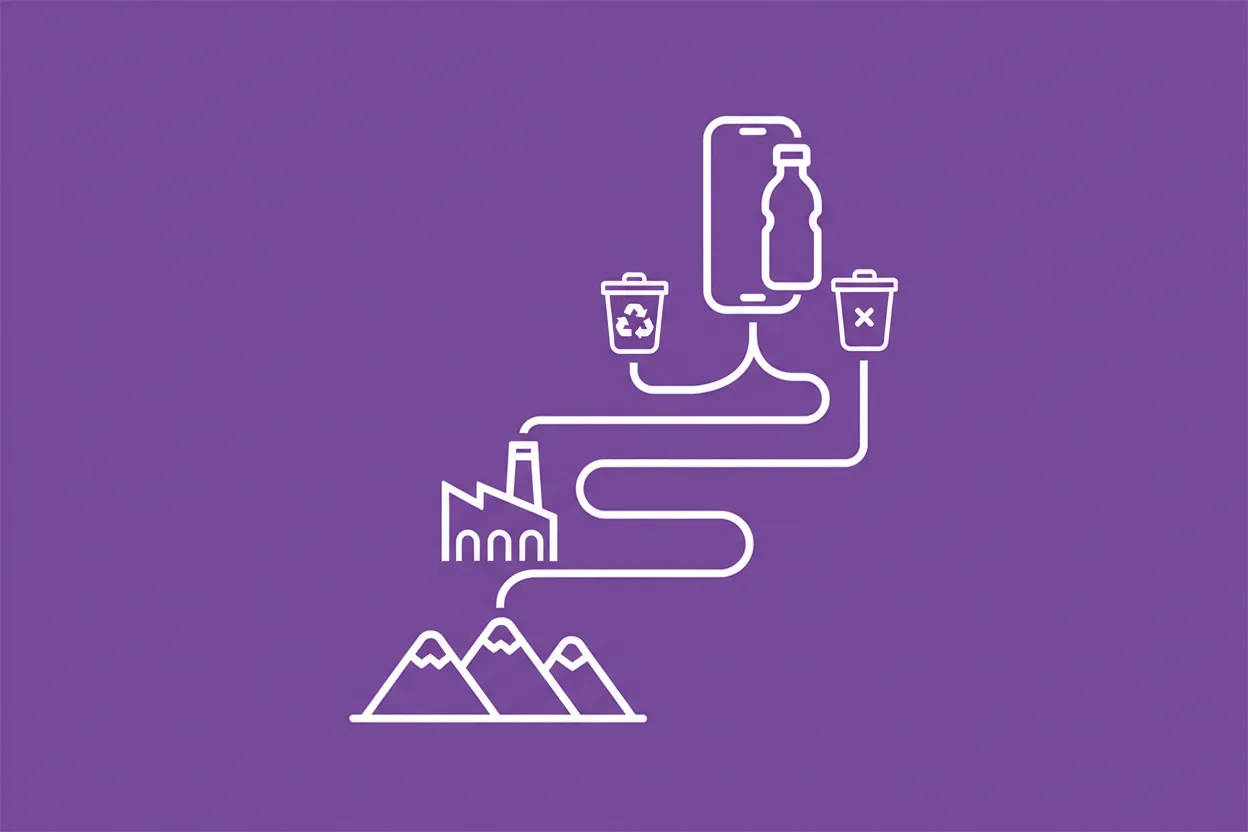
Ever wondered where the metal in your phone or the plastic in your water bottle goes after you toss them out? Tracking how materials move through places like cities or factories can reveal surprising stories about waste and reuse. This process, called Material Flow Analysis, helps us follow these journeys to use resources smarter.
A long time ago, people started simply counting materials coming in and out of factories to boost efficiency. Over time, this grew into a bigger method that looks at entire regions, helping us spot where waste happens and how to keep materials in use longer. Material Flow Analysis is now a key tool for pushing toward a circular economy that reduces waste and protects the environment.
Think of it like following the path of every piece of metal, plastic, or wood, from where it’s mined or made, through its use, and finally where it ends up—whether recycled or thrown away. This clear picture helps businesses and governments make better choices, cutting down waste and saving resources for a more sustainable future.
Definition: MFA (material flow analysis)
MFA tracks how materials move through a system like a city or factory. It shows where materials come from, how they’re used, and where they end up. This helps manage resources better and cut down on waste.
MFA shows where materials come from, how they’re used, and where they go. It tracks material movement through a system.
Think about a city tracking all the metals, plastics, and water it uses. MFA helps figure out how much is wasted or recycled, guiding better decisions to save resources and reduce pollution.
Tracing the journey of tracking material movements
How did people start keeping track of materials moving through industries and cities? Early efforts focused on measuring inputs and outputs at factories to boost efficiency. Over time, this simple counting grew into a broader approach that looks at entire regions.
The practice began with industrial accounting, measuring mass balance at specific sites. As post-war industrial growth raised environmental concerns, scientists expanded this view to include larger systems. Influenced by ecological ideas, they mapped material cycles across cities and countries, seeing the bigger picture of resource use and waste.
Why does this matter today? Tracking material flows helps us spot inefficiencies and reduce waste in industries and communities. It’s a key part of designing systems that keep materials in use longer.
This method, known as Material Flow Analysis, evolved as a vital tool for sustainability. It guides us toward circular economy goals by revealing where materials come from and where they end up.
6 examples on tracking resource movement through systems
Here are some practical ways to see how materials move and change within different environments:
- Urban metabolism studies: These show how cities consume, transform, and release materials, highlighting opportunities for better waste management. Tracking flows helps improve recycling and reduce landfill use.
- Industrial symbiosis: Companies share resources and waste streams, turning by-products into inputs for others. This creates a circular system that cuts down raw material needs.
- Supply chain mapping: Following materials from extraction to product helps identify points where waste occurs. This supports strategies for extended producer responsibility and circular design.
- Agricultural nutrient cycles: Monitoring nutrients like nitrogen and phosphorus reveals how farming affects soil health and water quality. Managing flows prevents pollution and boosts sustainability.
- Plastic flow tracking: Mapping how plastics move through production, use, and disposal uncovers leaks in recycling systems. It points to ways to increase circularity and reduce plastic pollution.
- Electronic waste pathways: Understanding where e-waste goes after use helps improve collection and recycling programs. It supports responsible resource recovery and reduces toxic waste.
While some systems already focus on reusing and recycling, many still rely heavily on extracting new resources. This contrast highlights the need to shift toward models that keep materials moving in closed loops, benefiting both the environment and the economy.
Terms related to tracking materials through systems
Many industries use specific methods to measure how resources move, transform, and impact the environment.
- Life Cycle Assessment (LCA) – A tool to evaluate the environmental effects of a product from creation to disposal.
- Circular Economy – A system aiming to keep materials in use longer by reusing, repairing, and recycling.
- Resource Efficiency – Using materials and energy wisely to reduce waste and environmental damage.
- Waste Management – Processes that handle, treat, and dispose of waste responsibly.
- Environmental Impact Assessment – A study to predict how projects or products affect nature and communities.
- Industrial Ecology – A way industries mimic natural ecosystems by reusing waste as resources.
- Sustainable Supply Chain Management – Ensuring products are made and delivered with minimal harm to people and planet.
Frequently asked questions on material flow analysis
Discover how material flow analysis helps track and improve the use of resources for a greener future.
What is material flow analysis?
Material flow analysis (MFA) tracks the movement of materials through a system, like a city or factory, to identify where waste happens and how resources can be used more efficiently.
How does MFA support circular economy goals?
MFA shows how materials cycle through production and consumption, helping businesses and communities design products and systems that keep resources in use longer and reduce waste.
Can MFA improve waste management practices?
Yes! By pinpointing where waste is generated, MFA helps develop better recycling and reuse strategies, supporting extended producer responsibility and reducing environmental impact.
What role does MFA play in resource efficiency?
MFA highlights how materials are used and lost, guiding efforts to minimize these losses, save raw materials, and promote more sustainable production methods.
How is MFA linked to sustainable supply chain management?
MFA provides insights into the flow of materials across supply chains, enabling companies to identify hotspots for improvement and work towards greener, more responsible sourcing and production.
Does MFA relate to life cycle assessment (LCA)?
MFA complements LCA by focusing on the quantities of materials moving through a system, while LCA evaluates the environmental impacts of products and processes throughout their life cycle.
How can MFA assist industrial ecology initiatives?
By analyzing material flows between industries, MFA supports industrial ecology goals like resource sharing, waste reduction, and creating closed-loop systems that mimic natural cycles.
