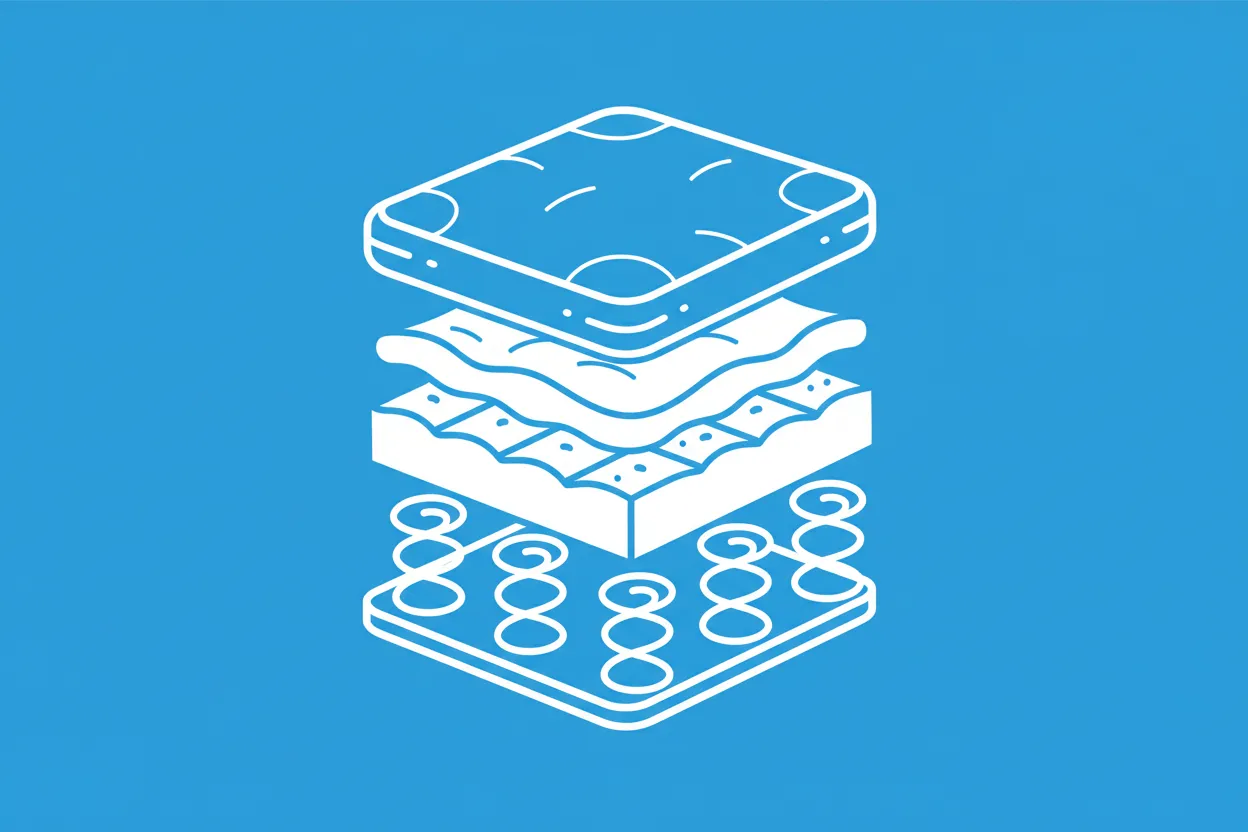
Every year, millions of mattresses end up in landfills, taking up lots of space and lasting for decades without breaking down. Mattress makers now face a system called Extended Producer Responsibility, or EPR for mattresses, where they must manage what happens to their products when people no longer use them.
When producers take charge of collecting and recycling old mattresses, it reduces waste and saves valuable materials like metal springs and foam from being thrown away. This helps protect the environment and supports a circular economy by turning mattress waste into new products.
By making mattress companies responsible, EPR encourages better mattress design and easier recycling, so fewer mattresses pile up in landfills and more get a second life. This shared effort benefits everyone by keeping communities cleaner and reducing pollution.
Definition: EPR for mattresses
EPR for mattresses means that mattress makers are responsible for what happens to their products after use. Instead of leaving old mattresses for people or local governments to manage, producers must collect, recycle, or dispose of them safely. This helps reduce bulky waste in landfills and encourages better mattress design.
Producers must collect, recycle, or dispose of old mattresses safely. EPR for mattresses means mattress makers are responsible for what happens to their products after use.
Think of it like this: when you buy a mattress, the company that made it also promises to take it back and recycle its parts when you’re done. This way, valuable materials like metal springs and foam get reused instead of piling up in landfills.
Clearing up common misunderstandings about mattress EPR programs
Are EPR schemes really needed for mattresses? Many think current waste systems handle mattress disposal well, but these bulky items often clog landfills or get burned. With millions discarded yearly, better solutions are essential to reduce environmental harm.
Costs for producers can seem high when setting up EPR programs, but these investments often save money over time by cutting landfill fees and encouraging mattress designs that are easier to recycle. This shift supports a circular economy by turning waste into new resources.
Some doubt if EPR boosts recycling rates, yet countries with dedicated mattress recycling facilities show clear improvements. These programs prove effective in recovering materials safely and reducing landfill dependence.
EPR programs don’t just help big companies; they ensure all producers share recycling responsibilities. This fairness promotes sustainable practices industry-wide, benefiting the environment and consumers alike.
6 examples on how producers can take responsibility for mattress waste
Producers have many ways to manage mattress waste and promote recycling. These approaches help reduce landfill use and recover valuable materials:
- Take-back programs: Companies collect old mattresses from customers for recycling. This keeps bulky waste out of landfills and recovers materials like metal springs and foam.
- Design for recycling: Mattresses are made with easily separable parts to simplify material recovery. This reduces energy use and increases recycling rates.
- Deposit-refund systems: Consumers pay a small deposit when buying a mattress, refunded when they return it. This encourages proper disposal and recycling.
- Partnerships with recyclers: Producers collaborate with specialized facilities to ensure mattresses are processed responsibly. This supports circular material use.
- Reuse initiatives: Some mattresses are refurbished for donation or resale. This extends product life and reduces demand for new resources.
- Awareness campaigns: Companies educate consumers about mattress recycling options and benefits. This helps increase participation in recycling programs.
While mattress waste seems bulky and hard to handle, producers’ actions show it can become an opportunity for circularity. By turning old mattresses into resources, they reduce environmental harm and create value from waste.
Terms related to extended producer responsibility in mattress waste
Mattress waste is a growing concern, with many efforts focusing on responsible disposal and recycling to protect the environment.
- Extended Producer Responsibility (EPR): A policy where manufacturers take accountability for the entire lifecycle of their products, including disposal and recycling.
- Mattress Recycling: Processes that break down old mattresses to recover materials like metal springs, foam, and fabric for reuse.
- Waste Management Regulations: Rules that govern how waste, including mattresses, must be handled, stored, and processed to reduce environmental harm.
- Circular Economy Practices: Strategies aiming to keep materials in use for as long as possible by reusing, repairing, and recycling products.
- Sustainable Product Design: Creating mattresses with materials and structures that are easier to recycle and have a lower environmental impact.
- Material Recovery and Reuse: The act of extracting valuable components from waste products to be used again in manufacturing new goods.
- Consumer Take-back Programs: Systems that allow customers to return old mattresses to producers or retailers for proper recycling and disposal.
- Producer Responsibility Organisations (PROs): Groups that help manufacturers manage their waste responsibilities collectively, making recycling and compliance easier.
Frequently asked questions about EPR and mattresses
Here are some common questions to help you learn about mattress recycling and producer responsibility.
What is extended producer responsibility (EPR)?
EPR means mattress makers are responsible for their products’ waste. They must ensure old mattresses are collected and recycled properly, reducing landfill and pollution.
How does mattress recycling work?
Mattresses are taken apart to recover materials like foam, metal springs, and fabric. These parts can be reused in new products, saving resources and cutting waste.
What are waste management regulations for mattresses?
Laws require producers to manage mattress waste safely and sustainably. These rules ensure mattresses don’t just end up in landfills but get recycled or disposed of responsibly.
What are circular economy practices for mattresses?
Circular economy means designing mattresses to be reused, repaired, or recycled fully. This approach keeps materials in use longer and reduces the need for new raw materials.
How is sustainable product design applied to mattresses?
Designers choose materials that are easier to recycle and avoid harmful chemicals. This helps make mattresses that are better for the environment throughout their life cycle.
What is material recovery and reuse in mattress recycling?
Material recovery means taking valuable parts from old mattresses to make new items. For example, metal springs can be melted down, and foam can be turned into carpet padding.
What are consumer take-back programs for mattresses?
These programs let you return old mattresses to stores or collection points. Producers then handle recycling or proper disposal, making it easier for you to be environmentally responsible.
What is the environmental impact of mattress waste?
When mattresses are thrown away, they take up space and release harmful substances. Recycling reduces pollution, conserves resources, and lowers greenhouse gas emissions.
What role do producer responsibility organisations (PROs) play?
PROs manage mattress waste on behalf of producers. They organize collection, recycling, and compliance with laws, making sure mattress waste is handled efficiently and sustainably.
