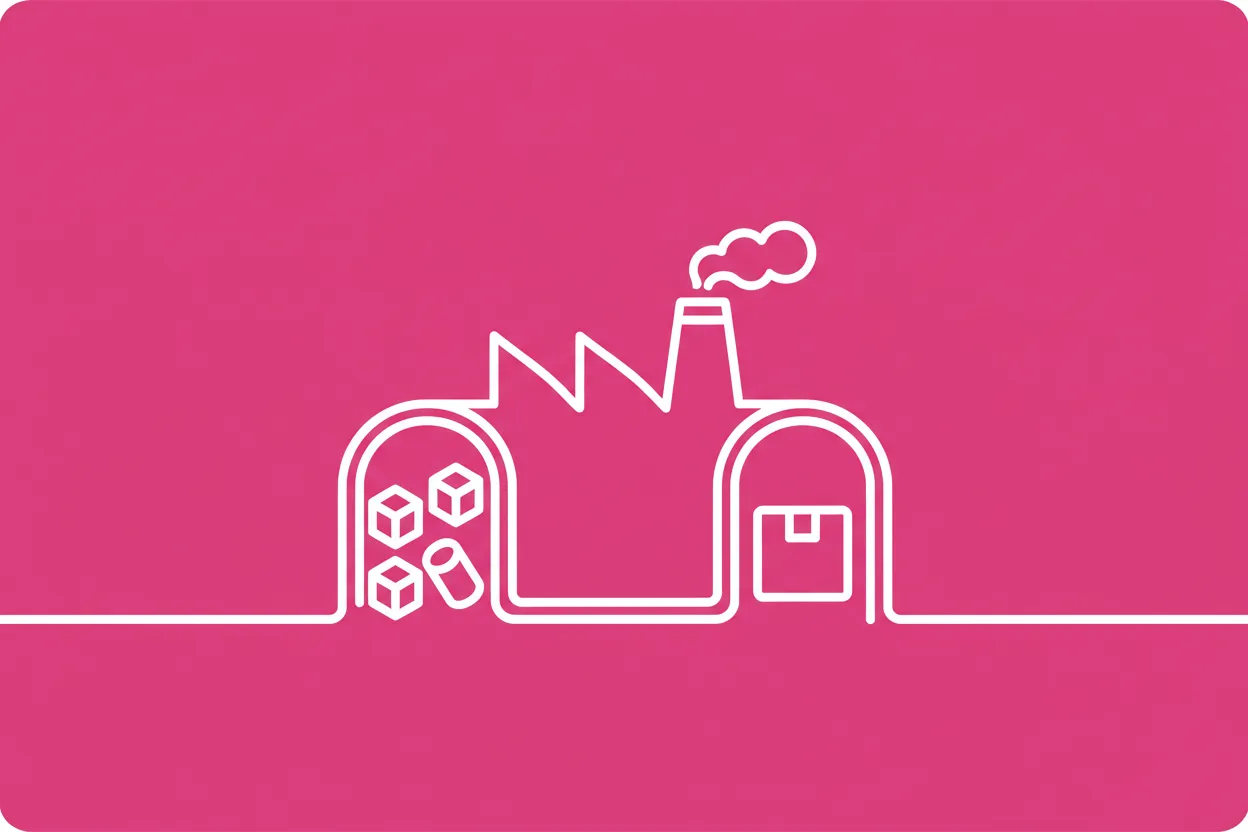
Think of Gate-to-Gate Assessment like checking the fuel, water, and waste used during just one pit stop in a race, instead of the whole race itself. It focuses on one stage of making a product—from when materials enter a factory until the product leaves that spot.
Just as a pit crew zeroes in on quick fixes during a stop, this assessment helps companies find ways to save energy, cut waste, and clean up just that part of production. It’s like zooming in on a snapshot to make small, smart changes that add up to a greener process.
Looking at a single stage is like tasting one ingredient in a recipe—it won’t show the whole dish, but it helps improve that piece. Gate-to-Gate Assessment fits into bigger sustainability efforts by making complex environmental impacts easier to manage and improve.
Definition: gate-to-gate assessment
Gate-to-Gate Assessment measures the environmental impact of a product or process during a single stage, from when raw materials enter a factory until the product leaves. It tracks energy, water, and waste used only in this part, helping companies improve efficiency and reduce pollution without covering the whole product life cycle.
Gate-to-Gate Assessment tracks energy, water, and waste used in one production stage. It measures the environmental impact from raw materials entering until the product leaves the factory.
For example, a furniture factory might use Gate-to-Gate Assessment to see how much electricity it takes to cut and shape wood. By focusing on this stage alone, the factory can find ways to reduce energy use or recycle scraps better, making that part of production greener and more cost-effective.
How has the approach to assessing full-flight operations changed over time?
What sparked the shift toward evaluating flights from start to finish? Early efforts targeted specific flight phases, but a broader view soon showed better chances to cut fuel use and emissions. This idea became known as gate-to-gate assessment, covering all steps from departure to arrival.
In the early 2000s, NASA’s Airspace Technology Demonstration program broke down flight operations into arrival, surface, and in-flight phases. Each project aimed to improve efficiency and reduce environmental impact through tech and smarter air traffic management. Europe followed with the SESAR initiative, focusing on collaboration and data sharing to optimize every flight stage.
Why does looking at the entire flight matter? Considering all phases together reveals improvement chances missed when focusing on just one part. This system-wide thinking supports stronger sustainability goals by cutting carbon emissions more effectively.
Gate-to-gate assessment shows how teamwork and innovation can make air travel greener and smoother from gate to gate. 4 examples on measuring environmental impacts within production stages
Here are some ways companies look at environmental effects during specific parts of their operations:
- Energy consumption tracking: This focuses on the amount of energy used in a single production step. It helps identify where energy-saving efforts can make the biggest difference.
- Material input evaluation: This examines the types and quantities of raw materials entering a process. Highlighting material use supports waste reduction and circularity goals.
- Emissions monitoring: Measuring pollutants released during one stage allows for targeted improvements to reduce air and water pollution.
- Waste generation analysis: This tracks the waste produced within a process, emphasizing opportunities to recycle or reuse materials and reduce landfill.
While these examples highlight focused assessments within a production line, they don’t show the full environmental story from start to finish. Looking at just one stage can miss impacts occurring before or after, which is why broader assessments are also important.
Terms related to assessing environmental impacts during production stages
Many companies track their product’s environmental effects at different points to improve sustainability and reduce waste.
- Life Cycle Assessment (LCA): A method to evaluate environmental impacts from all stages of a product's life, from raw materials to disposal.
- Environmental Impact Assessment: A process that predicts the environmental effects of a project before it begins.
- Cradle-to-Gate Assessment: Reviews environmental impacts from raw material extraction up to the factory gate, before the product reaches consumers.
- Cradle-to-Grave Assessment: Measures the total environmental impact of a product from creation to disposal or recycling.
- Material Flow Analysis: Tracks the movement of materials through a system to identify waste and improve resource use.
- Carbon Footprinting: Calculates the total greenhouse gas emissions caused directly or indirectly by a product or activity.
- Resource Efficiency: Using fewer materials, energy, and water to produce goods while maintaining quality.
- Circular Economy Assessment: Evaluates how well a product or system supports reuse, recycling, and waste reduction.
- Sustainability Reporting: Companies share information about their environmental, social, and economic performance.
- Product Environmental Footprint: A way to measure the environmental impact of a product throughout its life cycle.
Frequently asked questions on gate-to-gate assessment
Gate-to-gate assessment focuses on the environmental impact of a specific part of a product’s life cycle, often within a factory or process stage.
What is a gate-to-gate assessment?
It measures the environmental impacts of just one stage in production, from the start (gate in) to the end (gate out) of that process, not including raw material extraction or product use.
How does gate-to-gate differ from cradle-to-gate assessment?
Gate-to-gate covers only a specific process inside the factory, while cradle-to-gate looks at impacts from raw materials all the way to the factory exit point.
What is the benefit of gate-to-gate assessment?
It helps identify where improvements can be made within a specific process to reduce waste, energy use, or emissions, supporting better resource efficiency.
Can gate-to-gate assessment help with sustainability reporting?
Yes, it provides clear data on emissions and resource use for that process, which can be included in company sustainability reports to show progress.
How does gate-to-gate relate to circular economy assessment?
By focusing on one process, it highlights opportunities to reduce material waste or increase recycling, which supports circular economy goals.
Is gate-to-gate assessment linked to carbon footprinting?
Yes, it can calculate the carbon emissions produced during that process stage, helping companies track and reduce their carbon footprint.
What role does gate-to-gate assessment play in extended producer responsibility (EPR)?
It helps producers understand and improve the environmental impact of their production stages, which is key to meeting EPR goals for waste reduction and recycling.
