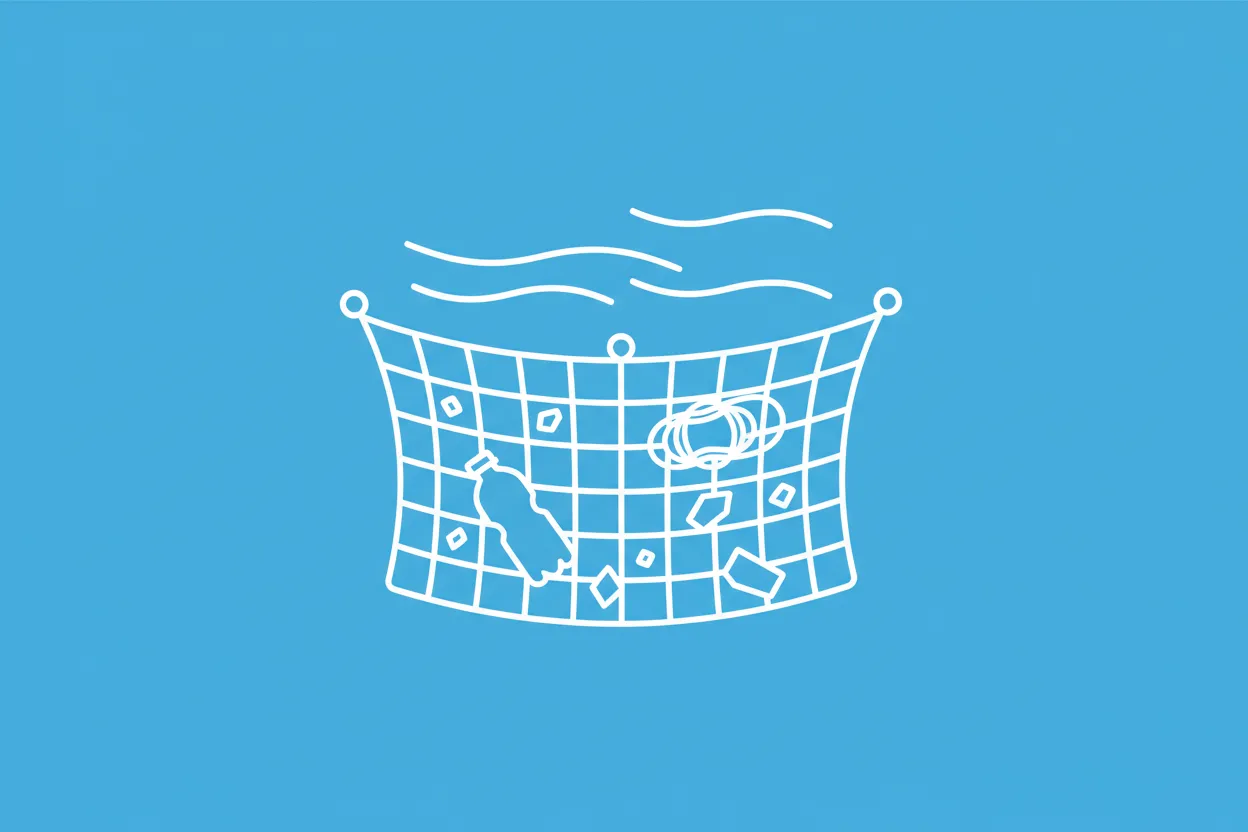
Trash and debris unintentionally caught by fishing gear left in the water is called passively fished waste. This waste reveals how much pollution is drifting or sinking in oceans, showing the hidden impact of human activity on marine environments.
Passively fished waste highlights the connection between fishing and pollution, as nets and traps collect plastics, bottles, and old fishing lines along with fish. Collecting this waste helps keep oceans cleaner and supports recycling efforts, reducing harm to marine life and promoting sustainability.
Definition: passively fished waste
Passively fished waste is the trash and debris unintentionally caught by fishing gear like nets or traps that stay in the water. This waste includes plastics, bottles, and discarded fishing lines that get trapped along with fish during passive fishing activities.
Passively fished waste shows how much pollution floats or sinks in the ocean. It is the trash caught unintentionally by fishing gear left in the water.
For example, a fishing net left in the water might catch fish but also collect plastic bags and old fishing lines. When fishers bring the net back, they can remove and recycle this waste, helping keep the ocean cleaner and safer for marine life.
Where does passively fished waste come from?
Have you ever wondered what kinds of trash fishing nets catch unintentionally? This waste isn’t just random junk; it includes plastics, metals, rubber, and even old fishing gear tangled in nets. These materials get caught during normal fishing activities without the fishers aiming to collect them.
Much of this debris comes from marine litter—human-made items lost or thrown into the ocean. Currents and winds carry these materials, making their way into fishing gear. Abandoned, lost, or discarded fishing gear (ALDFG) also adds to this problem, trapping more waste and harming sea life. Both sources highlight the complex origins of passively fished waste.
Efforts to track and manage this waste have increased, with regulations requiring fishers to report what they find. This helps improve recycling and reduces environmental harm.
By tackling passively fished waste, we protect marine life and promote a cleaner ocean for everyone.
6 examples on debris collected from water-based cleanup activities
Here are some common types of waste that are often found during water cleanup efforts:
- Fishing nets: These are large nets used to catch fish, often made from plastic. They contribute significantly to marine litter and pose a threat to wildlife.
- Plastic bottles: Discarded drink containers frequently wash into rivers and oceans. Their presence highlights the need for better recycling and producer responsibility.
- Glass fragments: Broken glass pieces can come from bottles or other items. They are dangerous to animals and humans alike.
- Metal cans: Often from beverages or food, these cans can rust and pollute aquatic environments. Proper EPR programs can reduce their occurrence.
- Ropes and lines: Used in fishing and boating, these synthetic materials often end up as tangled waste in water bodies. They are tough to recycle due to mixed materials.
- Foam pieces: Small bits from packaging or boat cushions. Foam is lightweight and easily carried by water currents, making cleanup challenging.
While some of this waste is clearly visible and easy to collect, much of it consists of microplastics and fragments that are invisible to the naked eye. This contrast shows why tackling waste in water requires both cleanup efforts and upstream solutions like better product design and extended producer responsibility.
Terms related to waste collected from water bodies
Many discarded fishing materials continue to harm marine life long after being lost or abandoned.
- Marine litter: Trash found in oceans, including plastics, lost gear, and other debris.
- Ghost fishing gear: Abandoned nets and traps that continue to catch marine animals.
- Ocean pollution: Contaminants like chemicals and waste materials polluting seawater.
- Fishing gear recovery: Efforts to locate and remove lost fishing equipment from the sea.
- Marine debris management: Strategies to prevent, collect, and handle waste in marine environments.
- Environmental impact of fishing: Effects of fishing activities on ecosystems and biodiversity.
- Circular economy in fisheries: Using resources efficiently to reduce waste and recycle materials in fishing.
- Waste management in seafood industry: Handling and disposal of waste generated by fish processing.
- Sustainable fishing practices: Techniques that protect marine life and habitats while harvesting seafood.
- Ghost gear removal programs: Initiatives focused on collecting and recycling abandoned fishing gear.
Frequently asked questions on passively fished waste
Learn how passively fished waste affects our oceans and what can be done to manage it better.
What is ghost fishing gear and why is it a problem?
Ghost fishing gear refers to lost or abandoned fishing nets and traps that continue to catch marine life unintentionally. This waste harms sea creatures and disrupts ecosystems, making it a key target for waste management and circular economy efforts.
How does passively fished waste contribute to ocean pollution?
Passively fished waste adds to ocean pollution by introducing plastics and synthetic materials that don’t break down easily. Removing this waste helps reduce toxic impacts and supports cleaner, healthier marine environments.
What role does fishing gear recovery play in marine debris management?
Fishing gear recovery involves locating and retrieving lost equipment from the ocean. This process prevents ghost fishing, reduces pollution, and supports recycling initiatives, helping promote circularity in fisheries.
How does passively fished waste affect the environment?
This waste damages habitats, harms wildlife, and can introduce harmful chemicals. Managing it responsibly is crucial for protecting marine biodiversity and maintaining balanced ecosystems.
What are sustainable fishing practices related to waste management?
Sustainable fishing includes using gear designed to reduce loss, recovering lost equipment, and recycling materials. These practices minimize waste, lower environmental impact, and support long-term ocean health.
How can circular economy principles be applied to fisheries?
Circular economy in fisheries focuses on designing products and systems that reduce waste, encourage reuse, and recycle fishing gear. This approach helps keep materials in use longer and reduces pollution from passively fished waste.
