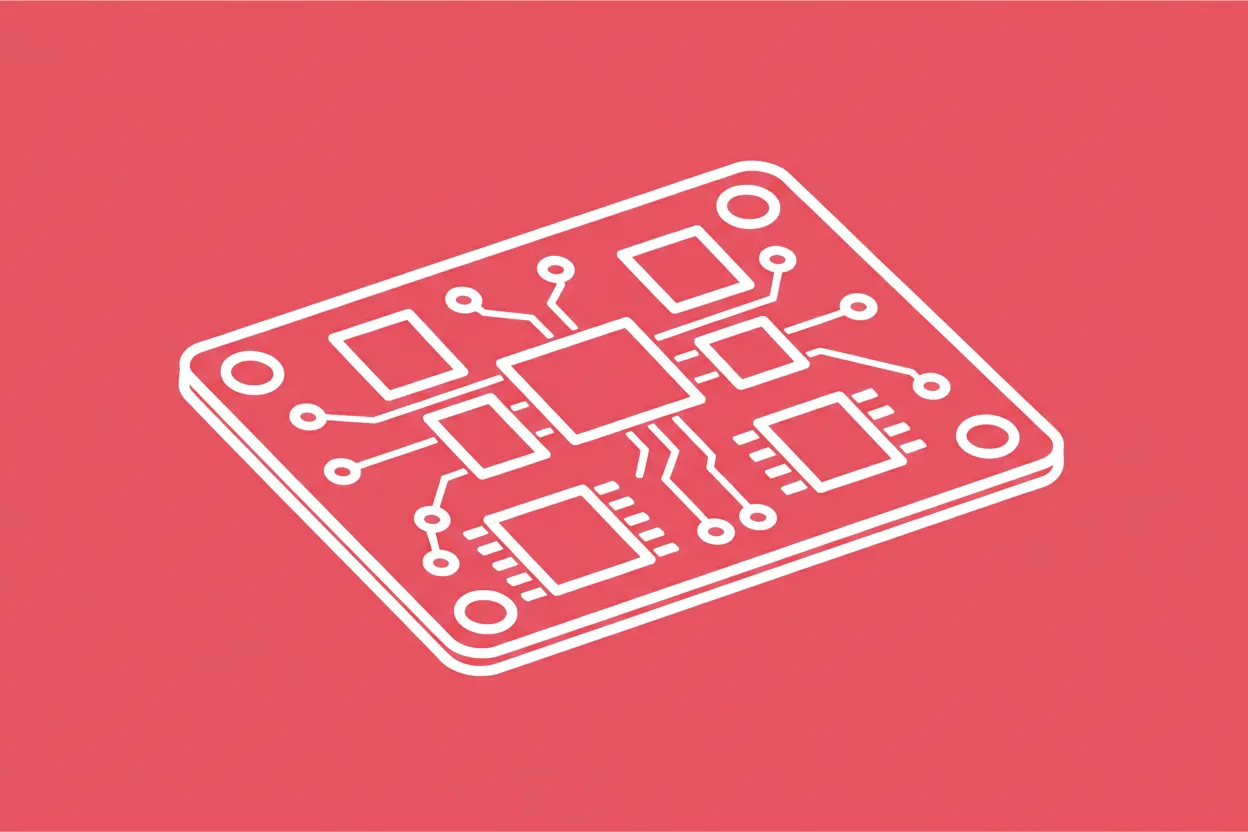
Recycling printed circuit boards means taking apart old electronic circuits to get back valuable metals like gold and copper. This process helps keep these useful materials in use, cutting down on waste and protecting the environment from harmful pollution.
By recovering metals from discarded circuit boards, we reduce the need to dig up new resources, which can damage nature and use lots of energy. Recycling also keeps toxic substances out of landfills, making it safer for people and the planet.
When you recycle old phones or computers through the right channels, you’re supporting a circular economy. This means materials stay in the loop, helping create new electronics while saving energy and lowering pollution. Everyone benefits from this smarter, more sustainable approach.
Definition: printed circuit board recycling
Printed circuit board recycling is the process of recovering valuable metals like gold, silver, and copper from used or discarded circuit boards found in electronics. It involves safely extracting these materials to reduce waste, prevent pollution, and save natural resources by reusing metals instead of mining new ones.
Recycling printed circuit boards safely extracts valuable metals like gold and copper. It recovers materials from discarded electronics to reduce waste and protect the environment.
For example, when your old phone or computer is recycled, its circuit boards are taken apart and processed to reclaim metals. This means new devices can be made using these recovered materials instead of digging up new metals from the earth, which saves energy and helps keep our planet healthier.
How Europe paved the way for printed circuit board recycling
Why is recycling printed circuit boards so important today? Electronic waste has grown fast, with PCBs at the heart of many devices. Recovering valuable materials from these boards helps reduce waste and supports sustainability.
Back in the early 1990s, Europe began serious efforts to tackle PCB recycling. The European Commission launched projects to develop automated recycling methods, analyzing different board types and creating a database of components. This work laid the foundation for smarter recycling processes that handle the complex mix of materials in PCBs.
Later, the WEEE Directive in 2003 set clear recycling goals for electronic waste, including PCBs. This pushed manufacturers and recyclers to improve collection and recovery, aiming for an 85% recycling rate by 2016. It was a major step toward responsible e-waste management.
Europe’s ongoing projects, like PCBRec using molten salts, show a strong commitment to innovation in recycling. These efforts help turn waste into resources, supporting a circular economy and reducing harmful environmental impacts.
3 examples on recovering valuable materials from electronic waste
Here are some effective ways companies and communities retrieve useful resources from discarded electronics:
- Hydrometallurgical process: This method uses chemical solutions to dissolve metals from circuit boards. It allows for the selective recovery of precious metals like gold and silver with less environmental impact.
- Mechanical separation: Physical techniques such as shredding and sieving help separate metals from plastics. This step is crucial for preparing materials for further refining and recycling.
- Pyrometallurgical process: High-temperature smelting extracts metals by melting components. While energy-intensive, it recovers a wide range of metals efficiently.
While these approaches focus on reclaiming metals, other parts of electronics like plastics often end up as waste. Balancing material recovery with minimizing environmental harm remains a key challenge.
Terms related to electronics recycling processes
Recycling electronics helps reduce landfill waste and recovers valuable materials for reuse.
- E-Waste Management: The process of collecting, transporting, and treating discarded electronic devices responsibly.
- Sustainable Electronics: Designing and producing devices with minimal environmental impact and easier recycling.
- Material Recovery: Extracting useful metals and components from old electronics to be reused in new products.
- Circular Economy: A system where products are reused, repaired, or recycled to keep resources in use longer.
- Precious Metal Recovery: The extraction of valuable metals like gold, silver, and copper from electronic waste.
- Hazardous Material Handling: Safely managing toxic substances found in electronics to prevent environmental harm.
- WEEE Directive: A European law aimed at reducing electronic waste and promoting recycling and reuse.
- Resource Efficiency: Using materials and energy wisely during manufacturing to minimize waste and environmental impact.
- E-Waste Recycling: Breaking down electronic devices to recover materials and reduce environmental pollution.
Frequently asked questions on printed circuit board recycling
Printed circuit board (PCB) recycling plays a key role in reducing waste and recovering valuable materials from electronic devices.
What is electronic waste management in PCB recycling?
Electronic waste management involves collecting, sorting, and processing used PCBs safely to prevent pollution and recover resources for reuse.
How does e-waste recycling work for printed circuit boards?
E-waste recycling for PCBs breaks down the boards to extract metals and plastics, turning waste into valuable raw materials for new products.
Why is sustainable electronics important in PCB recycling?
Sustainable electronics design makes PCBs easier to recycle, reducing environmental impact by using safer materials and promoting reuse.
How are materials recovered from e-waste like PCBs?
Special processes separate metals like copper, gold, and silver from PCBs, enabling these materials to be recycled and reused in manufacturing.
What role does circular economy play in electronics?
A circular economy designs electronics and PCBs so materials flow back into production, minimizing waste and reducing the need for new resources.
How is precious metal recovery done from PCBs?
Precious metals are extracted through chemical or mechanical methods during recycling, helping conserve scarce resources and reduce mining.
How are hazardous materials handled in PCB recycling?
Hazardous substances such as lead or mercury in PCBs are carefully removed and treated to protect workers and the environment.
What is the WEEE Directive and how does it affect PCB recycling?
The WEEE Directive sets rules for collecting and recycling electronic waste, encouraging producers to take responsibility for safe PCB disposal.
How does resource efficiency improve manufacturing of electronics?
Resource efficiency means using fewer materials and energy in making electronics, often by recycling PCB materials to lower environmental impact.
