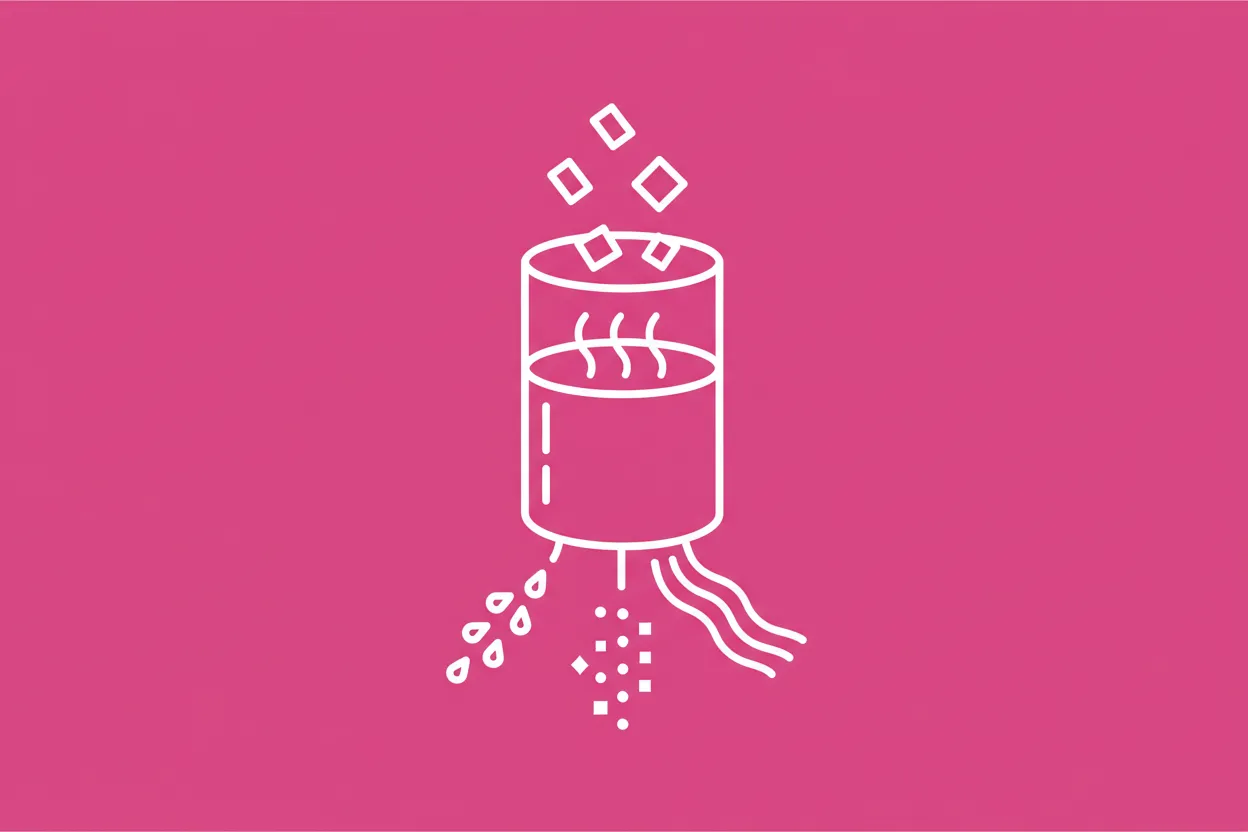
Pyrolysis is a process that transforms waste and biomass by heating them without oxygen, turning materials into useful gases, liquids, and solids. This method avoids burning, making it a cleaner way to handle waste while recovering valuable products.
It offers a smart way to reduce landfill waste and create energy or raw materials, supporting circular economy goals. By breaking down plastics, wood, or organic waste, pyrolysis helps turn trash into fuel, soil enhancers, and other resources.
Using pyrolysis means less pollution and smarter use of materials, benefiting the environment and economy. Have you ever wondered how some wastes can become new energy or products? Pyrolysis is one key answer.
Definition: pyrolysis
Pyrolysis is a process that breaks down materials like waste or biomass by heating them without oxygen. This prevents burning and instead turns the material into useful gases, liquids, and solid residues. It’s often used to manage waste and create new resources like fuel and soil enhancers.
Pyrolysis turns materials into useful gases, liquids, and solids by heating them without oxygen. It breaks down waste and biomass without burning.
Think of pyrolysis like cooking food in a sealed oven where no air gets in. Instead of the food burning, it changes into different parts you can use—like turning wood or plastic waste into gas for energy or charcoal for soil. This helps reduce trash and make new products at the same time.
The journey of pyrolysis through time and technology
How did pyrolysis become a key player in modern sustainability? Its story begins with ancient civilizations using heat to transform wood into charcoal, essential for early industries. Over centuries, this method evolved, adapting to new materials and purposes.
The 19th century marked a turning point with industrial-scale pyrolysis plants emerging in Europe. Companies like Bantlin advanced chemical production from wood, boosting efficiency and output. Mid-20th-century innovations introduced processes like Galoter, enhancing pyrolysis for energy-rich materials such as peat and oil shale. Later decades saw diverse technologies aimed at recycling plastics and hydrocarbons, reflecting growing environmental awareness.
Interest in pyrolysis surged again in recent years as Europe focused on waste management and renewable fuels. Projects like EMPYRO and initiatives in Sweden highlight its role in producing sustainable energy and chemicals from biomass and sawdust. These efforts demonstrate pyrolysis’ potential to reduce reliance on fossil fuels.
Pyrolysis has come a long way but continues evolving. Its history shows how innovation can turn waste into valuable resources, supporting circular economy goals and a cleaner future.
6 examples on transforming waste into valuable resources
Here are some ways heat treatment of waste helps recover materials and energy from different sources:
- Plastic to fuel: Heating plastic waste breaks it down into liquid fuels. This process reduces landfill waste and creates energy-rich products.
- Rubber recycling: Old tires can be processed to extract oils and carbon black. These materials are reused in manufacturing new tires or industrial products.
- Biomass conversion: Organic waste like wood or agricultural residues is turned into bio-oil and charcoal. This offers renewable alternatives to fossil fuels.
- Electronic waste recovery: Heating e-waste separates metals like copper and gold. These metals can be recycled, reducing mining demand.
- Medical waste treatment: Certain medical wastes are thermally decomposed to neutralize hazards while recovering energy. This lowers environmental risks.
- Sewage sludge processing: Sludge from wastewater plants is converted into synthetic gas and ash. The gas can generate power, and ash can be used in construction.
While these processes provide useful products and reduce landfill pressure, they still require energy input and proper emission controls. The balance between environmental benefits and operational impacts is key to sustainable waste management.
Terms related to thermal decomposition processes
Thermal decomposition techniques are key to turning waste into useful energy and materials, supporting circular economy goals.
| Term | Description |
|---|---|
| Thermal decomposition | Breaking down materials using heat without oxygen |
| Biomass conversion | Turning plant or organic waste into energy or products |
| Waste-to-energy | Generating energy by processing waste materials |
| Biochar production | Creating a charcoal-like substance from organic matter |
| Gasification | Converting materials into gas fuel through high heat |
| Chemical recycling | Breaking down plastics into basic chemicals for reuse |
Frequently asked questions on pyrolysis
Pyrolysis is a process that breaks down materials using heat without oxygen. Here are answers to the most common questions about how it works and its benefits.
What is pyrolysis in plastic recycling?
Pyrolysis heats plastic waste in the absence of oxygen, breaking it down into useful products like oil, gas, and char. This helps recycle plastics that are hard to process by traditional methods, reducing landfill waste and supporting circular economy goals.
How does pyrolysis contribute to waste-to-energy?
Pyrolysis converts waste materials into energy-rich fuels such as syngas and bio-oil. These fuels can be used to generate electricity or heat, turning waste into a valuable energy source while reducing reliance on fossil fuels.
Can pyrolysis help with biomass conversion?
Yes, pyrolysis transforms biomass (like wood or agricultural residues) into biochar, bio-oil, and gases. This process adds value to organic waste and supports renewable energy production and sustainable agriculture.
What is biochar production through pyrolysis?
Biochar is a carbon-rich solid created by pyrolyzing organic waste. It can improve soil health, store carbon long-term, and help reduce greenhouse gas emissions, making it a sustainable tool in circular and carbon management strategies.
How does pyrolysis support carbon sequestration?
Pyrolysis produces biochar, which locks carbon in a stable form when added to soil. This prevents carbon from escaping into the atmosphere, helping to mitigate climate change by capturing and storing carbon in a natural way.
