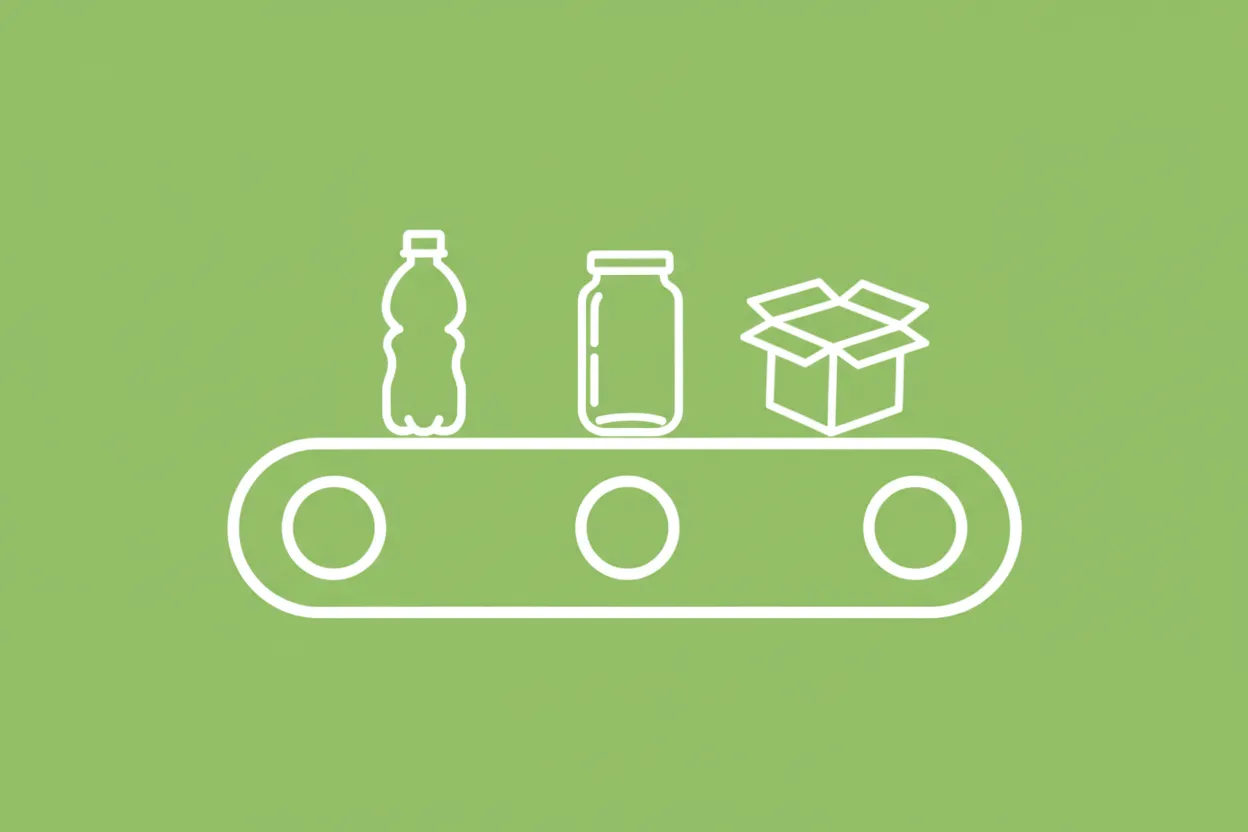
Recyclability Performance Grade A tells us how easily a product or material can be recycled without causing trouble for recycling plants. When something earns this grade, it means it fits smoothly into recycling systems, helping save resources and reduce waste. Products with this grade are made from materials that recycling centers can sort and process easily, like certain plastics, glass, and cardboard. This makes recycling more efficient and supports a circular economy where materials keep being reused instead of thrown away. Choosing items with Grade A recyclability means you’re helping protect the environment by cutting down on pollution and waste.
Definition: Recyclability Performance Grade A
Recyclability Performance Grade A shows how easily a product or material can be recycled. A Grade A means it’s highly recyclable and won’t cause issues in recycling plants. This helps companies and consumers know the item can re-enter the recycling system smoothly, saving resources and reducing waste.
Products with Grade A recyclability avoid causing problems in recycling plants. It shows how easily a product or material can be recycled.
For example, a clear PET plastic bottle often gets a Grade A because it’s made from one material that recycling centers can sort and process easily. This means it’s more likely to be recycled and reused instead of thrown away, helping cut down on pollution and waste.
How the EU’s recyclability grading system shapes sustainable packaging
What drives the push for clearer recycling standards in packaging? New rules aim to make it easier for everyone to recycle effectively by setting common goals. The Recyclability Performance Grade A is part of this effort to improve packaging design and waste management.
This grading system, introduced by the EU’s Packaging and Packaging Waste Regulation, categorizes materials based on how well they can be recycled. Grade A means a packaging material is highly recyclable, with at least 95% of it able to be reused. To reach this, packaging must be designed to avoid contamination and be sorted easily, helping recycling facilities work more efficiently.
Why is this important for the circular economy? Higher recycling rates mean fewer resources are wasted, and less new raw material is needed. Manufacturers are encouraged to rethink packaging choices, leading to products that fit better within recycling systems.
The EU’s step-by-step timeline raises the bar steadily, ensuring that by 2038, only packaging with strong recyclability grades will be allowed. This creates a clear path toward better recycling and less waste.
3 examples on products with excellent recyclability
Here are some everyday items known for their high recyclability, making them great choices for reducing waste and supporting circularity:
- Aluminum cans: These are highly recyclable and can be turned back into new cans repeatedly without losing quality. Their lightweight nature also reduces transportation emissions.
- Glass bottles: Glass can be recycled endlessly, preserving its quality and reducing the need for raw materials. Recycling glass saves energy compared to producing new glass.
- Corrugated cardboard: Widely accepted in recycling programs, cardboard is easily processed into new packaging materials. It breaks down quickly and supports paper recycling systems.
In contrast, many products mix materials that are hard to separate, which lowers their recyclability and increases waste. Choosing items designed for simple recycling helps close the loop more effectively.
Key terms linked to high recyclability standards
Products that perform well in recycling rely on several important factors to ensure materials can be effectively reused and kept out of landfills.
- Material Recovery Efficiency: Measures how well materials can be separated and reclaimed during recycling.
- Product Design for Recycling: Creating products so they are easier to take apart and recycle.
- Waste Sorting Technology: Tools and systems that separate different types of waste for better recycling.
- Circular Economy Practices: Approaches that keep products and materials in use for as long as possible.
- Life Cycle Assessment (LCA): Evaluates the environmental impact of a product from creation to disposal.
- End-of-Life Management: Planning how products are handled when they are no longer usable to maximize recycling.
Frequently asked questions on recyclability performance grade A
Recyclability Performance Grade A helps identify products that are easy to recycle and support a circular economy.
What is material recovery efficiency?
Material recovery efficiency measures how much material from a product can be successfully collected and processed into new materials during recycling.
How does product design affect recycling?
Designing products with simple materials and easy disassembly improves recyclability, making it easier to sort and process waste effectively.
Why is waste sorting technology important?
Advanced sorting technology separates different materials quickly and accurately, boosting recycling rates and reducing contamination.
What role does end-of-life management play?
End-of-life management ensures products are properly collected, treated, or reused at the end of their use, preventing waste and supporting circularity.
How does recyclability grade A support circular economy practices?
Grade A products are designed to be recovered and reused efficiently, helping close the loop by keeping materials in use longer and reducing new resource extraction.
