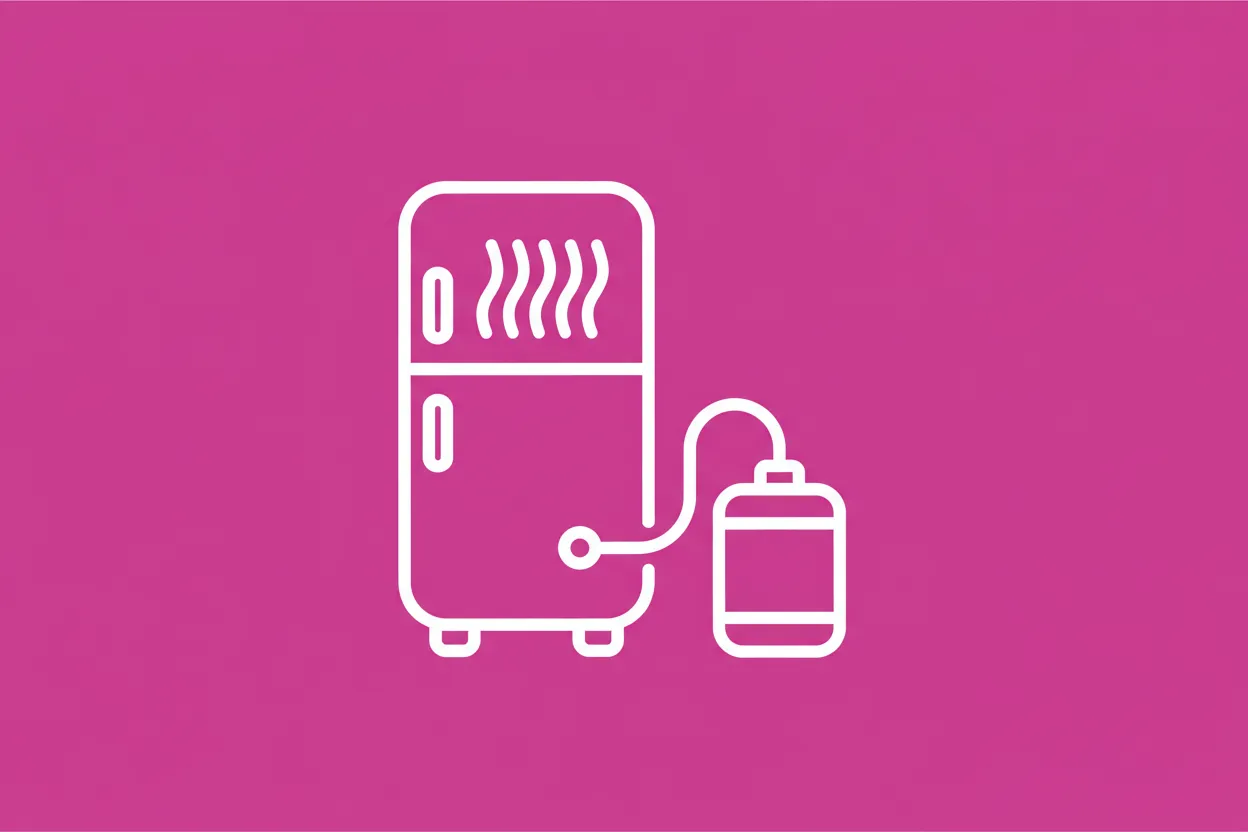
Think of refrigerants in old appliances like the air inside a balloon—if you let it go without care, it can float away and cause problems. Refrigerant recovery (WEEE) is the careful process of capturing these cooling chemicals from devices like fridges and air conditioners before they become waste.
Just like catching a balloon before it escapes, recovering refrigerants protects our environment from harmful gases that can hurt the ozone layer and contribute to climate change. This process also helps recycle valuable materials, turning waste into resources and supporting a cleaner, circular economy.
When done right, refrigerant recovery is like giving these gases a second chance to cool again, reducing pollution and saving resources. It involves trained professionals and special tools to safely extract and reuse refrigerants, making it a key step toward sustainable waste management.
Definition: refrigerant recovery (WEEE)
Refrigerant recovery (WEEE) is the process of safely extracting cooling chemicals from waste electrical and electronic equipment like old refrigerators and air conditioners. This prevents harmful gases from escaping into the environment and allows these substances to be recycled or disposed of properly.
Refrigerant recovery prevents harmful gases from escaping into the environment. It is the process of safely extracting cooling chemicals from waste electrical and electronic equipment.
For example, when a fridge is no longer usable, technicians use special tools to remove the refrigerant gas before recycling the metal parts. This keeps dangerous chemicals from polluting the air and lets companies reuse the recovered refrigerant, reducing waste.
Clearing up myths about refrigerant handling in waste electronics
Have you ever wondered if letting refrigerants escape during appliance disposal is safe? Many people think it’s harmless, but releasing these chemicals can damage the ozone layer and increase global warming. Recovering refrigerants properly is key to avoiding these problems.
The idea that refrigerant recovery is simple can be misleading. It requires special tools and trained workers to safely capture and store these substances. Without the right care, leaks can pollute the environment and harm human health.
Not all refrigerants behave the same; some are friendlier to the planet than others. Knowing the specific type helps choose the best way to recover and recycle them efficiently.
Proper refrigerant recovery is more affordable than many believe. Saving these substances reduces waste and supports environmental rules, often saving money in the long run.
Even small appliances can hold harmful refrigerants. Every device matters when working toward a cleaner, safer planet.
4 examples on how to handle refrigerants from old electronics
Proper management of refrigerants from discarded electronics is essential for reducing environmental harm. Here are some ways this can be done effectively:
- Mechanical recovery: This method uses specialized equipment to extract refrigerants safely. It helps prevent harmful gases from escaping into the atmosphere.
- Chemical absorption: Certain chemicals capture refrigerants from waste streams. This process allows for easier recycling or destruction of the gases.
- Thermal destruction: High-temperature systems break down refrigerants into harmless components. It is a last-resort option when recycling isn’t feasible.
- Closed-loop recycling: Refrigerants are recovered and purified for reuse in new products. This approach supports circularity and reduces the need for new raw materials.
While recycling refrigerants can be complex and costly, ignoring proper recovery leads to serious environmental damage. Balancing these factors is crucial for sustainable waste management.
Terms related to refrigerant handling in waste electrical equipment
Proper management of cooling gases prevents environmental harm and supports sustainability goals.
| Term | Description |
|---|---|
| Electronic Waste Management | Systems to collect, process, and recycle discarded electronic items. |
| Hazardous Material Handling | Safe procedures for dealing with dangerous substances like refrigerants. |
| Environmental Regulations | Rules ensuring safe disposal and recovery to protect ecosystems. |
| Circular Economy | Designing processes to keep materials in use and reduce waste. |
| Emission Control Technologies | Tools and methods to reduce harmful gas releases during recovery. |
| Resource Recovery and Reuse | Extracting valuable materials for reuse to conserve natural resources. |
Frequently asked questions on refrigerant recovery in WEEE
Refrigerant recovery plays a key role in managing waste electrical and electronic equipment safely and sustainably.
What is electronic waste management in relation to refrigerant recovery?
Electronic waste management involves safely collecting and processing old electronics like fridges to recover refrigerants before recycling, preventing harmful emissions.
How are hazardous materials handled during refrigerant recovery?
Special trained technicians use approved methods and equipment to carefully remove and contain refrigerants, protecting workers and the environment.
What environmental regulations apply to refrigerant recovery in WEEE?
Laws like the WEEE Directive and F-gas regulations require proper recovery and recycling of refrigerants to reduce pollution and support sustainability.
How does refrigerant recovery contribute to the circular economy?
Recovering refrigerants allows these valuable chemicals to be reused or recycled, reducing waste and conserving resources in a closed-loop system.
What are sustainable waste treatment practices for refrigerants?
Sustainable treatment means capturing refrigerants without release, recycling them safely, and disposing of any residues responsibly to minimize environmental impact.
How is chemical recycling used in refrigerant recovery?
Chemical recycling breaks down recovered refrigerants into basic components that can be purified and reused to make new refrigerants or other chemicals.
What is the Waste Electrical and Electronic Equipment (WEEE) Directive?
The WEEE Directive sets rules for collecting, treating, and recycling electronics, ensuring refrigerants are recovered properly to protect the environment.
What emission control technologies are used in refrigerant recovery?
Technologies like vacuum pumps and gas analyzers help capture refrigerants without leaks, reducing harmful emissions during equipment dismantling.
