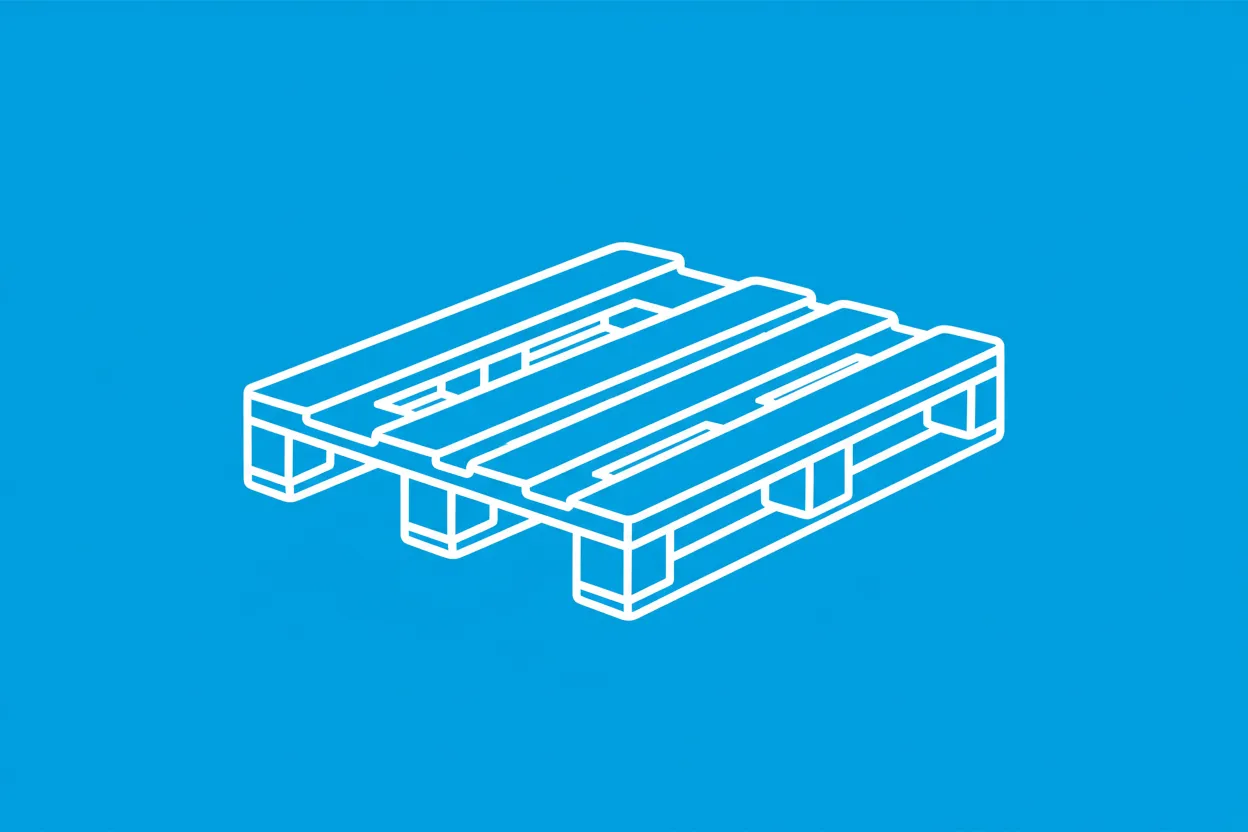
Many companies and industries are focusing on using their shipping materials more than once to cut down on waste and save resources. This is where reuse targets come in, setting clear goals to encourage packaging like crates, pallets, and boxes to be designed for multiple trips instead of just one. Meeting these goals helps protect the environment by reducing the need for new materials and lowering pollution. Reuse target (transport packaging) pushes businesses to rethink how they package goods, making shipping smarter and greener for everyone involved.
Definition: reuse target (transport packaging)
Reuse target (transport packaging) is a goal to use packaging for shipping goods multiple times instead of just once. It encourages designing and managing crates, pallets, and boxes so they can be cleaned and reused, cutting waste and saving resources.
Reuse target (transport packaging) encourages designing and managing packaging for multiple uses. It sets goals to reduce waste by reusing shipping materials instead of discarding them.
Think of a company that chooses strong plastic crates instead of cardboard boxes for shipping fruits. These crates get collected, cleaned, and used again many times, lowering the need to buy new boxes and reducing trash from broken packaging.
How have reuse goals shaped transport packaging rules in Europe?
What role do laws play in encouraging reuse of transport packaging? Over the years, Europe has introduced several important rules to cut down waste and boost sustainability. These rules have gradually pushed for more reusable packaging in transport systems.
The journey began in 1994 with a directive focused on reducing packaging waste by promoting recycling and reuse. Later, the Waste Framework Directive introduced Extended Producer Responsibility (EPR), making producers accountable for their packaging’s full lifecycle. This change motivated companies to design packaging that’s easier to reuse or recycle. The Single-Use Plastics Directive tackled plastic waste by limiting single-use items and encouraging alternatives. More recently, new binding targets aim for 30% reusable packaging by 2030, rising to 90% by 2040.
These evolving laws don’t just reduce waste—they help build a circular economy where materials stay in use longer. They encourage innovation in packaging design and waste management.
By setting clear reuse goals, Europe is leading the way toward sustainable transport packaging. These targets inspire producers and consumers to rethink packaging’s role in protecting the planet.
7 examples on how transport packaging can be reused
Here are some practical ways companies and logistics providers keep transport packaging in use multiple times to reduce waste and support circularity:
- Pallet pooling: Companies share and reuse standardized pallets, reducing the need for single-use pallets. This system cuts down on waste and saves resources.
- Returnable plastic crates: These sturdy crates are designed to be used repeatedly for transporting goods like fruits or electronics. They help avoid disposable packaging.
- Bulk containers: Large containers made from durable materials are returned, cleaned, and reused for shipping bulk products. This reduces packaging waste significantly.
- Reusable cardboard boxes: Specially designed boxes that can be flattened, returned, and refolded for multiple shipping cycles. They extend the life of cardboard packaging.
- Plastic drum reuse: Industrial drums made of plastic are cleaned and refilled multiple times, minimizing the need for new drums. This lowers environmental impact.
- Transport packaging leasing: Companies lease transport packaging items like pallets or containers instead of buying them outright, encouraging reuse through service contracts.
- Modular packaging systems: These systems use parts that can be recombined and reused in different ways, cutting down on the need for new packaging materials.
Single-use packaging is still very common because it’s often cheaper and easier, but it creates a lot of waste and environmental harm. Reusing transport packaging takes more planning and effort but delivers big benefits for the planet and can save money over time.
Key terms connected to sustainable transport packaging goals
Transport packaging plays a crucial role in reducing waste and promoting a circular economy by enabling multiple uses and easier recycling.
- Circular economy: A system where products and materials are kept in use for as long as possible to minimize waste.
- Sustainable packaging: Packaging designed to have minimal environmental impact throughout its life cycle.
- Reverse logistics: The process of moving used packaging back through the supply chain for reuse or recycling.
- Waste reduction: Strategies aimed at minimizing the amount of waste generated during packaging and transport.
- Material recovery: The process of extracting valuable materials from used packaging for reuse or recycling.
- Product life cycle: The stages a product goes through from creation to disposal, including packaging impacts.
- Closed-loop supply chain: A system where packaging is collected, cleaned, and reused in a continuous loop.
- Environmental impact of packaging: The overall effect packaging has on natural resources, pollution, and ecosystems.
- Packaging design for reuse: Creating packaging that can be used multiple times without losing functionality or quality.
Frequently asked questions on reuse target for transport packaging
Here are answers to common questions about reuse targets for transport packaging, helping you get a clear picture.
What is circular economy in packaging?
Circular economy means designing packaging so it can be reused, repaired, or recycled, keeping materials in use longer and reducing waste and resource use.
How does packaging design affect reuse?
Good packaging design for reuse means making it strong, easy to clean, and easy to return, so it can be used multiple times without damage or contamination.
What role does reverse logistics play in reuse targets?
Reverse logistics manages the process of returning used packaging from customers back to manufacturers for cleaning, refilling, or recycling, supporting reuse goals.
How does reuse target help reduce waste?
Setting reuse targets encourages companies to use packaging multiple times, cutting down on single-use items and lowering waste sent to landfill or incineration.
What is a closed-loop supply chain?
A closed-loop supply chain recycles and reuses packaging within the same system, minimizing waste and the need for new materials by keeping packaging moving in a cycle.
How does reuse target impact environmental footprint?
By promoting reuse, companies reduce the energy, water, and raw materials needed for new packaging, shrinking their overall environmental impact and supporting sustainability.
