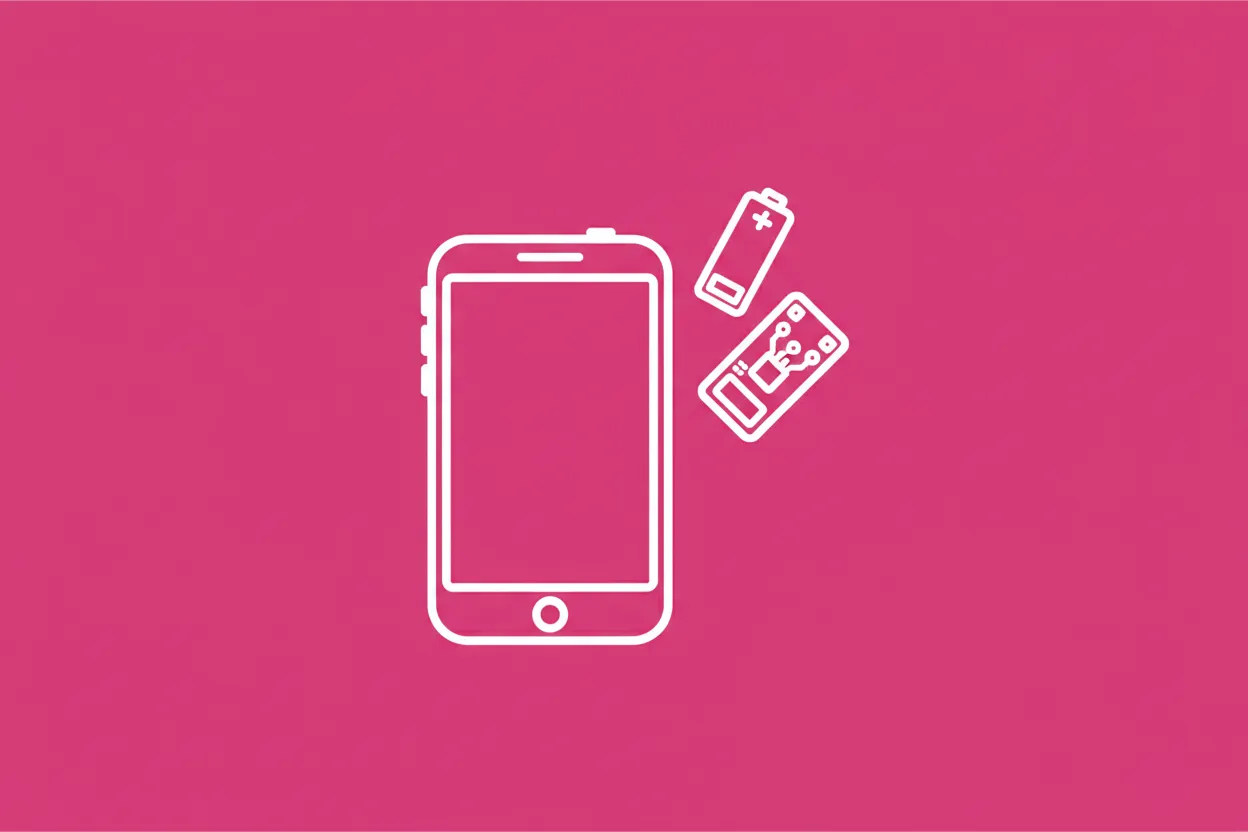
Sorting your old gadgets like a chef picks fresh ingredients before cooking helps protect both health and nature—that’s the heart of selective treatment (WEEE). It’s all about carefully removing harmful parts from electronic waste before recycling takes place.
Think of selective treatment like peeling an orange to get to the fruit inside without biting into the bitter peel. This process keeps toxic stuff like mercury or lead away from people and the environment, letting valuable materials shine for reuse.
Just as a gardener prunes plants to help them grow better, selective treatment trims out hazardous bits so recycling works well and supports a circular economy, where resources keep cycling instead of piling up as waste.
Definition: selective treatment (WEEE)
Selective treatment (WEEE) is the careful removal of hazardous substances from electronic waste before recycling. It protects people and the environment by safely handling harmful materials like mercury and lead found in devices such as phones and computers.
Selective treatment protects people and the environment by safely handling harmful materials. It is the careful removal of hazardous substances from electronic waste before recycling.
For example, when recycling an old smartphone, selective treatment means first taking out toxic parts like batteries or mercury-containing components. This keeps workers safe and stops dangerous chemicals from polluting the recycling process.
Clearing up common myths about selective treatment of electronic waste
Ever wondered if all electronic waste can be tossed into the same recycling bin? Many people think recycling WEEE is straightforward, but it’s more complex due to hazardous parts needing special care. This confusion can slow down proper recycling and harm the environment.
Selective treatment isn’t just about removing dangerous materials like lead or toxic plastics. It also focuses on recovering valuable resources hidden inside electronics, such as copper. Proper handling ensures these materials don’t go to waste and helps reduce the need for mining new resources, supporting circular economy goals.
Some assume selective treatment happens once and is done. Actually, it’s a continuous journey involving collection, sorting, dismantling, and recycling stages. Each step must be managed carefully to keep people safe and maximize material recovery as technologies evolve.
Not all electronic waste is treated correctly, even though it should be. Improper handling can cause pollution and health risks. Everyone’s role matters—from manufacturers to consumers—to make sure WEEE is processed in eco-friendly ways.
Selective treatment is a shared responsibility. While producers fund and organize recycling, consumers help by returning old devices to proper collection points. Together, these actions keep hazardous substances in check and boost circularity.
4 examples on targeted recycling methods for electronic waste
Here are some specific ways to handle electronic waste by focusing on recovering valuable parts and materials:
- Circuit board dismantling: This involves carefully removing circuit boards to extract precious metals like gold and silver. It helps reduce the need for new mining by reclaiming these finite resources.
- Battery separation: Batteries from electronic devices are separated to prevent hazardous chemicals from leaking. This process also allows recovery of metals such as lithium and cobalt.
- Plastic component sorting: Plastics in electronics are sorted by type to improve recycling quality. This reduces contamination and allows plastics to be reused effectively.
- Metal shredding and sorting: After dismantling, metals are shredded and sorted using magnets and other tools. This increases the purity of recovered metals, making recycling more efficient.
Most electronic waste still ends up mixed, which lowers recycling quality and wastes valuable materials. These targeted methods show how breaking down waste into parts can boost recycling success.
Terms related to electronic waste processing
Proper handling of electronic waste helps protect the environment and recovers valuable materials for reuse.
- E-waste: Discarded electrical or electronic devices that need special treatment to prevent pollution.
- Hazardous substances: Dangerous chemicals like lead or mercury found in electronics that require careful removal.
- Material recovery: The process of extracting valuable metals and plastics from old electronics for recycling.
- Recycling technologies: Methods and machines used to break down and separate components of electronic waste.
- Circular economy: A system where products and materials are kept in use for as long as possible through reuse and recycling.
- Resource efficiency: Using materials wisely to reduce waste and save natural resources during production and recycling.
- Environmental impact: The effect that electronic waste and its disposal have on ecosystems and human health.
- Extended Producer Responsibility (EPR): A policy where manufacturers take responsibility for the entire lifecycle of their products, including disposal.
- WEEE Directive: A European law that sets rules for collecting, recycling, and recovering electronic waste to reduce its environmental harm.
Frequently asked questions on selective treatment of WEEE
Selective treatment helps safely recycle electronic waste while recovering valuable materials and reducing harm to the environment.
What is the WEEE Directive and why is it important?
The WEEE Directive is a European law that requires producers to take responsibility for collecting and recycling electronic waste. It ensures e-waste is treated properly to protect people and the planet.
How does selective treatment improve material recovery?
Selective treatment carefully separates different materials from e-waste, like metals and plastics, so they can be recycled more efficiently. This boosts resource efficiency and supports a circular economy.
What hazardous substances are removed during selective treatment?
Harmful elements like lead, mercury, and cadmium are extracted during selective treatment. Removing these substances prevents environmental pollution and health risks when electronics are recycled.
How does selective treatment support extended producer responsibility (EPR)?
Selective treatment helps producers meet EPR rules by ensuring their products are recycled responsibly. It makes it easier to manage waste and reduce the environmental impact of electronics.
Why is recycling electronic waste important for the environment?
Recycling e-waste reduces the need to mine new materials, saving energy and lowering pollution. Proper treatment avoids toxic leaks from hazardous substances, protecting ecosystems and communities.
