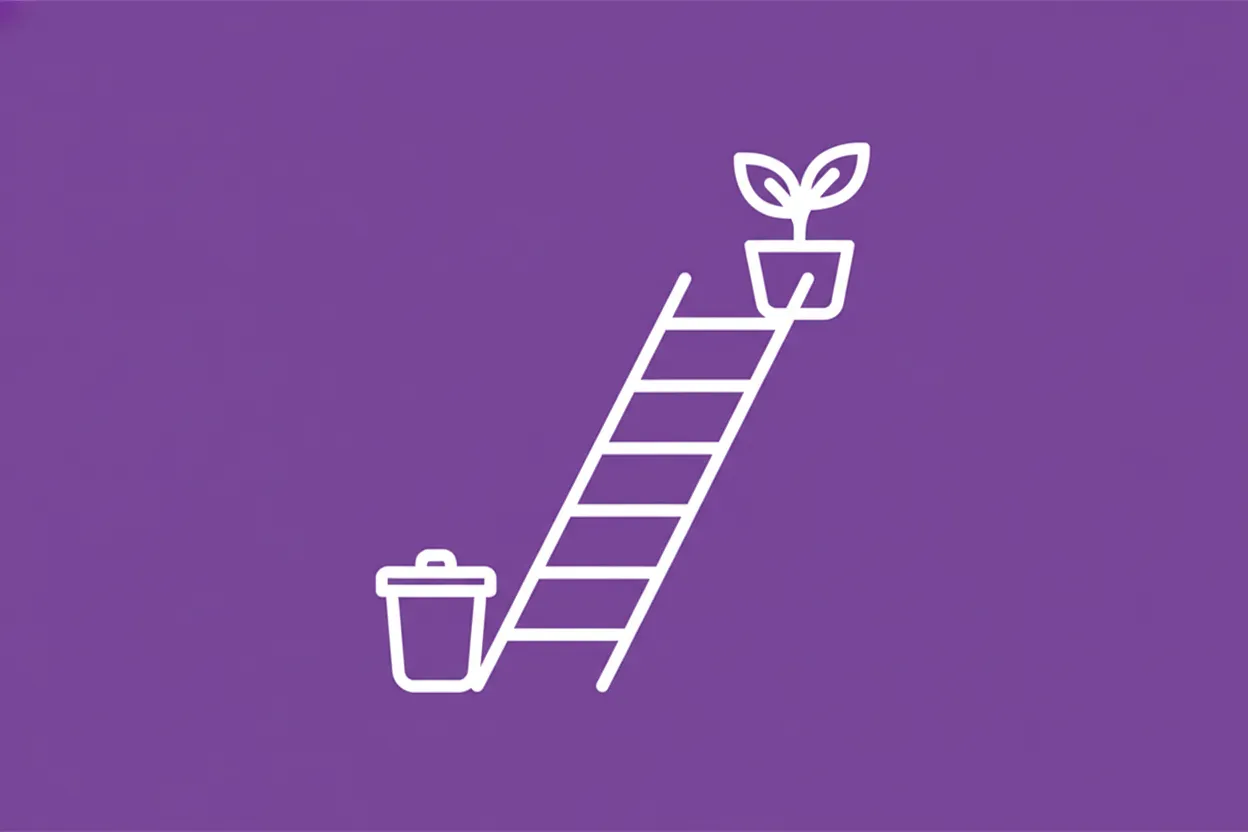
Think of the Hierarchy of Waste Operations like a ladder guiding us to handle waste smarter and kinder to the planet. Each rung shows a better way to manage waste, starting with the best option and moving down to the least preferred.
Just like choosing healthier foods for your body leads to better health, picking higher steps on the waste ladder—like preventing or reusing waste—leads to a cleaner environment. Skipping steps and jumping straight to disposal is like eating junk food all the time: it works short-term but causes problems later.
The hierarchy helps everyone—from businesses to individuals—make smarter choices that save resources and reduce pollution. What small step could you take today to climb higher on this waste management ladder?
Definition: Hierarchy of Waste Operations
The Hierarchy of Waste Operations is a system that ranks ways to handle waste from best to worst. It aims to reduce waste by preventing it first, then reusing, recycling, recovering energy, and lastly disposing of it. This method helps protect the environment and saves resources.
The hierarchy ranks waste handling from best to worst. It aims to prevent waste first, then reuse, recycle, recover energy, and finally dispose.
For example, choosing to fix a broken phone instead of buying a new one follows the hierarchy by preventing waste. Donating old clothes for reuse or recycling plastic bottles are other ways to follow the hierarchy in everyday life. It’s about making waste management choices that help the planet.
How waste management priorities have changed over time
What steps have shaped how we handle waste today? Early methods mainly focused on throwing waste away, like burying it in landfills or burning it. Over time, people realized these methods harm the environment and began looking for smarter ways to reduce waste and reuse materials.
In the 1990s, new rules in Europe started guiding waste management with clear priorities. The waste hierarchy was introduced to encourage preventing waste first, then reusing items, recycling materials, recovering energy, and only disposing of leftovers as a last choice. These steps help protect resources and cut environmental damage.
Why is this shift important now? It means fewer resources are wasted, and less pollution is created. Governments have set recycling targets to push progress, aiming for more waste to be reused or recycled in the coming years.
The waste hierarchy shows us the path toward a circular economy, where materials stay in use longer and less waste ends up in landfills. This approach benefits everyone by conserving resources and supporting a cleaner planet.
5 examples on prioritizing waste management actions
Here are some practical ways to handle waste by focusing on the most effective steps first:
- Reduce: Cutting down on waste creation by buying only what you need. This helps conserve resources and lowers environmental impact.
- Reuse: Finding new uses for items instead of throwing them away. It keeps materials in use longer and reduces demand for new products.
- Recycle: Processing materials like paper, plastic, and metal to make new products. Recycling saves energy and reduces landfill waste.
- Recover: Extracting energy from waste through processes like composting or waste-to-energy plants. This turns waste into useful resources.
- Dispose: Safely managing waste that cannot be handled by other methods by using landfills or incineration with controls. Disposal is the last option when other steps aren’t possible.
While disposal is necessary sometimes, focusing on reduction and reuse first can significantly decrease the amount of waste needing disposal. This shift supports a more circular and sustainable approach to managing materials.
Key terms linked to efficient waste handling
Many communities aim to manage waste in ways that protect the environment and save resources. Here are some important terms that help explain this approach:
- Waste management hierarchy: A system ranking waste handling methods from most to least preferred based on environmental impact.
- Circular economy: A model focused on keeping materials in use as long as possible to reduce waste.
- Waste minimization: Efforts to reduce the amount of waste created at the source.
- Recycling processes: Techniques used to convert waste materials into new products.
- Resource recovery: Extracting useful materials or energy from waste.
- Composting: Breaking down organic waste into nutrient-rich soil amendments.
- Extended Producer Responsibility (EPR): A policy where manufacturers take back products for recycling or disposal.
Frequently asked questions on the hierarchy of waste operations
Here are common questions about how waste is managed to protect the environment and support sustainability.
What is the waste management hierarchy?
The waste management hierarchy ranks options from best to worst: reduce, reuse, recycle, recover energy, and landfill as last resort. It guides us to minimize waste and its impact.
How does extended producer responsibility (EPR) fit into waste operations?
EPR makes producers responsible for their products’ waste, encouraging design for recycling and reducing landfill. It supports circular economy goals by closing the loop.
What role does recycling play in waste management?
Recycling turns waste into raw materials, saving resources and energy. It’s a key step after reducing and reusing, helping keep materials in use longer.
How can composting help with organic waste?
Composting turns food scraps and yard waste into nutrient-rich soil, reducing landfill use and greenhouse gases. It’s a natural way to recycle organic material.
Why focus on waste minimization first?
Minimizing waste means creating less trash to manage. It’s the most effective way to reduce environmental harm and costs before considering recycling or disposal.
