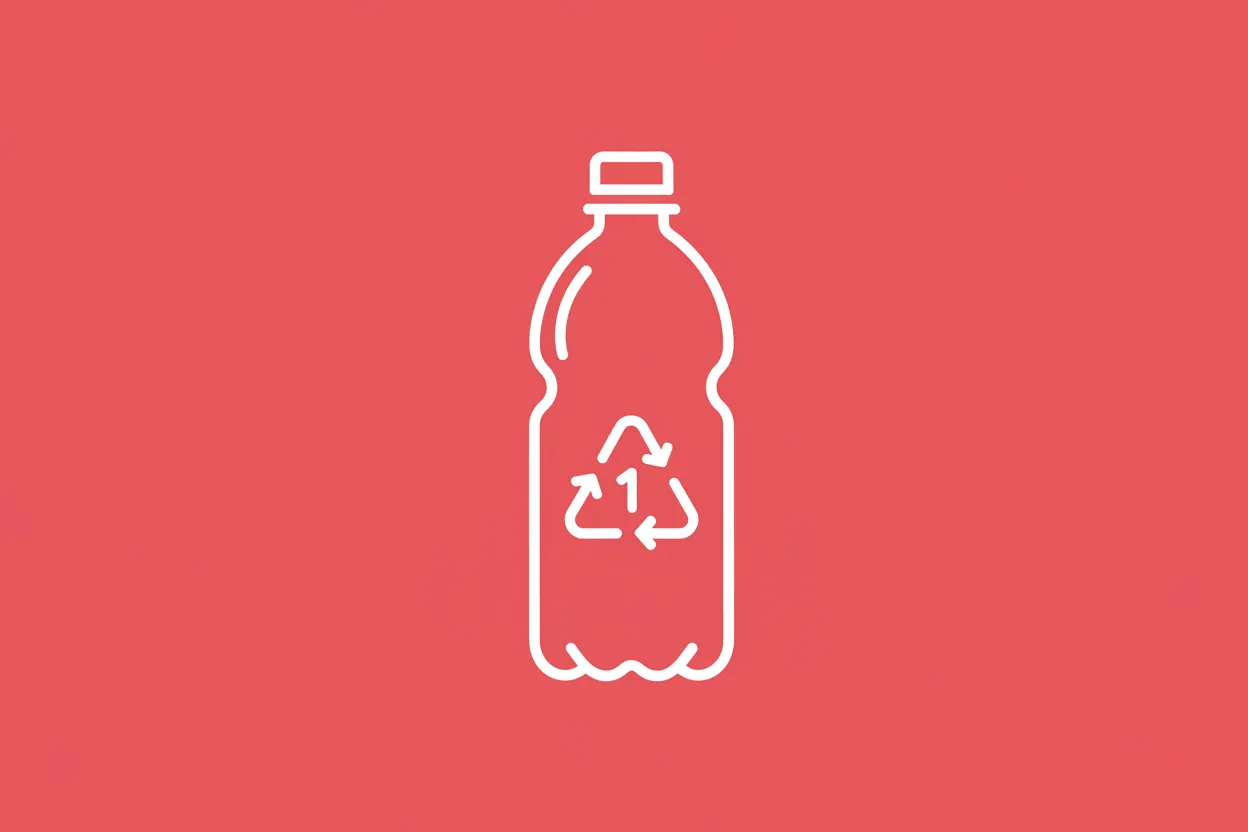
The Resin Identification Code is a helpful system that labels plastics with numbers inside a triangle to show what type of plastic they are made from. This makes it easier for people and recycling centers to sort and recycle plastics the right way.
Each number from 1 to 7 stands for a different kind of plastic, like water bottles or milk jugs, and knowing these helps avoid mixing plastics that need different recycling methods. With clear sorting, recycled plastics can become new products, cutting waste and saving resources.
Definition: resin identification code
The Resin Identification Code (RIC) is a numbering system that shows what type of plastic a product is made from. It uses numbers 1 through 7 inside a triangle of arrows to help people and recycling centers sort plastics correctly for recycling.
The Resin Identification Code uses numbers inside a triangle to show plastic types. It helps sort plastics correctly for recycling.
For example, a water bottle with a number 1 means it’s made of PET plastic, which recycling centers recognize and process differently than a milk jug marked with number 2 for HDPE. This way, plastics don’t get mixed up and can be recycled properly.
How the resin identification code shaped plastic recycling
Ever wondered how recyclers know what kind of plastic they’re dealing with? The resin identification code (RIC) helps by labeling plastics with numbers that point to their type. This system makes sorting plastics easier and speeds up recycling efforts.
Back in 1988, the Plastics Industry Association created the RIC to bring order to plastic waste sorting. Each number from 1 to 6 represents a specific plastic type, while 7 covers all other plastics or mixtures. Although it shows what kind of plastic is used, the code doesn’t tell if the product is recyclable or has recycled material in it.
Not every plastic item has a resin code, and some might even show more than one. Local recycling rules often decide how plastic waste is handled, which sometimes differs from what the codes suggest. Still, the RIC gives a clear starting point for sorting plastics.
The resin identification code has played a key role in boosting recycling efficiency. It’s a simple tool that supports waste reduction and encourages better recycling habits across the globe.
7 examples on how plastic types affect recycling processes
Different plastic types have unique properties that impact how they are recycled and reused. Recognizing these differences helps improve sorting and reduces contamination, making recycling more efficient and effective:
- PET (Polyethylene Terephthalate): Commonly used for beverage bottles, this plastic is highly recyclable and often turned into new containers or fabric fibers. Its clear appearance aids in easy identification.
- HDPE (High-Density Polyethylene): Found in milk jugs and detergent bottles, this material is durable and widely recycled into piping, plastic lumber, or new containers. It’s valued for its strength.
- PVC (Polyvinyl Chloride): Used in pipes and vinyl flooring, this plastic is less commonly recycled due to harmful additives. Its recycling requires special handling to avoid hazardous byproducts.
- LDPE (Low-Density Polyethylene): Seen in plastic bags and wraps, LDPE is flexible but less frequently recycled through curbside programs, often repurposed into trash can liners or floor tiles.
- PP (Polypropylene): Used in yogurt containers and bottle caps, PP is recyclable and often made into signal lights, battery cables, or brooms. Its heat resistance makes it versatile.
- PS (Polystyrene): Found in disposable cups and packaging foam, this plastic is challenging to recycle due to its lightweight and brittle nature. It’s often downcycled into insulation or park benches.
- Other (Various plastics): This category includes mixed or less common plastics like acrylic or nylon, which are difficult to recycle and usually require specialized facilities.
Some plastics are recycled many times, turning into new products, while others often end up as waste because they are harder to process. Knowing which plastics fit where helps reduce landfill and supports a circular approach to materials.
Terms related to plastic sorting and recycling
Many plastics are sorted using specific codes that help recycling facilities identify material types for better processing.
| Term | Description |
|---|---|
| Polyethylene terephthalate (PET) | A common plastic used in bottles and containers, widely recycled and repurposed. |
| High-density polyethylene (HDPE) | Durable plastic often found in milk jugs and detergent bottles, known for easy recycling. |
| Material recovery facility (MRF) | A specialized plant where mixed waste is sorted into recyclable materials like plastics and metals. |
| Polymer | Large molecules made of repeating units, forming the basis of all plastics. |
| Mechanical recycling | Process of melting and reshaping plastic waste into new products without changing its chemical structure. |
| Chemical recycling | Breaking down plastics into basic chemicals to create new materials, supporting circular use. |
| Biodegradable plastics | Plastics designed to break down naturally, reducing environmental impact when managed properly. |
| Sorting technologies | Tools like optical scanners and air jets used to separate different plastic types efficiently. |
| Circular economy | A system where materials like plastics are reused and recycled to keep them in use longer. |
Frequently asked questions on resin identification code
The resin identification code (RIC) helps identify the type of plastic in a product, guiding recycling and waste management processes.
What is the resin identification code?
The resin identification code is a number inside a triangle of arrows, usually found on plastic products. It tells you which type of plastic the item is made from, like PET, HDPE, or PVC, helping recyclers sort materials properly.
How does the resin identification code aid plastic recycling?
The code helps recycling centers sort plastics by type, making recycling more efficient. Different plastics need different processes, so the code ensures the right treatment, reducing contamination and improving material recovery.
Can the resin identification code support a circular economy?
Yes! By clearly identifying plastic types, the code helps keep materials in use longer. Proper sorting leads to better recycling, which means plastics can be turned into new products instead of becoming waste, supporting circularity.
Are all plastics with resin identification codes recyclable?
Not always. While the code shows the plastic type, local recycling programs may accept only some codes. Checking with your local waste management helps know which plastics can be recycled where you live.
How does resin identification affect sustainable packaging?
Manufacturers use resin codes to choose plastics that are easier to recycle. Clear labeling encourages consumers to recycle properly, reducing waste and promoting packaging that fits within sustainable and circular practices.
What role do sorting technologies play with resin identification codes?
Sorting technologies, like infrared scanners, read resin codes to quickly separate plastics in recycling plants. This speeds up material recovery, reduces errors, and improves the quality of recycled plastics for reuse.
