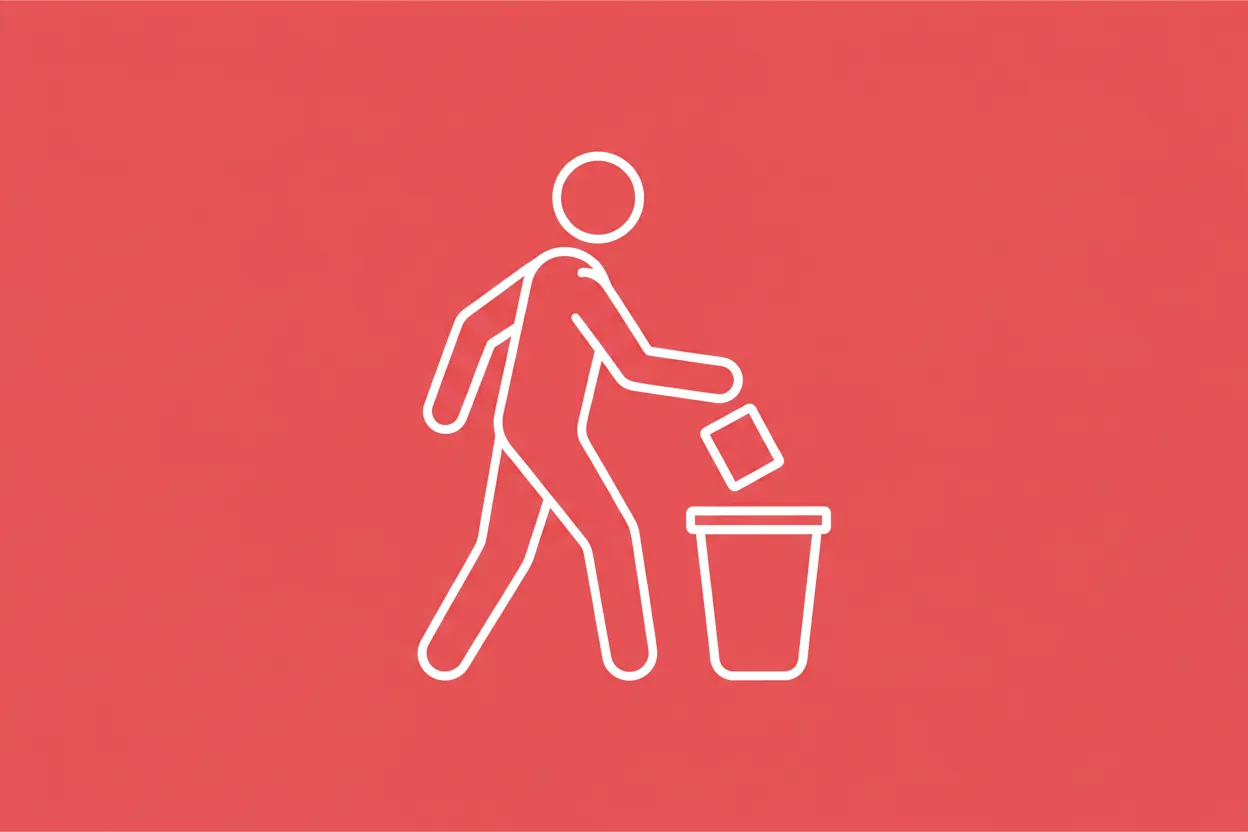
One time, while walking in the park, you might have noticed a small picture of a person tossing trash into a bin—that’s the Tidyman Symbol quietly doing its job. This little icon is a friendly reminder asking everyone to throw their rubbish in the bin instead of dropping it on the ground.
When you see the Tidyman Symbol on a snack wrapper or a soda can, it’s nudging you to keep public spaces clean and protect nature from harm caused by litter. By encouraging proper disposal, it helps reduce pollution and supports recycling efforts that keep our environment healthy and sustainable.
Definition: Tidyman Symbol
The Tidyman Symbol is a small image showing a person throwing rubbish into a bin. It reminds people to dispose of waste properly to keep the environment clean and reduce littering on streets, parks, and beaches.
It encourages people to dispose of waste properly to keep the environment clean. The Tidyman Symbol shows a person putting rubbish in a bin.
For example, when you finish a snack and see the Tidyman Symbol on the wrapper, it’s a simple cue to find a bin nearby instead of dropping the wrapper on the ground. This small action helps prevent pollution and keeps public spaces tidy.
Clearing up the myths about the Tidyman symbol
Have you ever thought the Tidyman symbol means a product is recyclable? Many people do, but it's actually meant to remind us to throw waste in the bin, not to tell us if something can be recycled. This confusion can make recycling less effective.
Some believe the Tidyman icon is recognized everywhere, but its familiarity really depends on the country. Various European nations use different symbols like the Green Dot or Triman, which can make it tricky to know how to dispose of waste correctly. This lack of a universal sign creates challenges for circularity and sustainability.
It’s surprising, but the Tidyman symbol isn’t new; it dates back to the 1950s in the U.S., not Europe. Over the years, it’s been updated to fit modern waste management, showing how environmental messaging evolves with time. This history helps us see how symbols shape our approach to sustainability.
The symbol’s use is declining in favor of fresher campaigns that better connect with today’s waste practices. Moving away from Tidyman shows progress towards clearer, more effective communication on recycling and producer responsibility.
Knowing the true meaning of the Tidyman symbol helps us separate fact from fiction, improving how we handle waste and support a circular economy.
6 examples on common waste disposal reminders
Here are some everyday signs that encourage proper waste habits and help keep our environment clean:
- Litter bin icon: This symbol shows where you should throw trash. It reminds people to use bins instead of dropping litter on the ground.
- Recycle arrows: These three chasing arrows highlight recyclable materials. They guide users to separate waste for recycling, supporting circularity.
- No littering sign: Often a crossed-out litter action, this warns against dropping trash in public places. It promotes responsible waste disposal and respect for nature.
- Compost bin symbol: This icon marks containers for organic waste. It encourages composting, reducing landfill waste and enriching soil naturally.
- Waste segregation labels: Different labels show where plastic, paper, or metal go. Clear guidance improves recycling rates and resource recovery.
- Electronic waste sign: Indicates where to dispose of batteries and gadgets properly. Prevents harmful substances from polluting landfills and supports EPR efforts.
While these signs promote cleaner habits, many people still toss waste carelessly. Clear reminders can boost recycling and reduce litter, but real change depends on awareness and convenient disposal options.
Terms related to litter and waste disposal symbols
Many symbols help guide people to dispose of waste properly and support cleaner, greener communities.
- Waste hierarchy – A system prioritizing waste prevention, reuse, recycling, recovery, and disposal to reduce environmental impact.
- Litter bin – A container designed for collecting waste in public spaces to prevent littering.
- Recycling symbol – Three chasing arrows forming a triangle, indicating materials can be recycled.
- Public cleanliness – The practice of keeping streets, parks, and public areas free of litter.
- Waste segregation – Sorting waste into categories like paper, plastic, and organic for easier recycling.
- Circular economy – An economic system focused on reusing resources and minimizing waste through recycling and redesign.
- Anti-litter campaign – Public initiatives aiming to reduce littering behavior through education and outreach.
- Packaging disposal instructions – Guidelines on how to properly dispose of or recycle packaging materials.
- Environmental education – Teaching people about protecting the environment and adopting sustainable habits.
- Sustainable behavior – Actions taken by individuals or groups to reduce waste and conserve resources.
Frequently asked questions on the Tidyman symbol
The Tidyman symbol encourages responsible waste disposal and cleaner surroundings.
What does the Tidyman symbol mean for waste management?
The Tidyman symbol reminds people to throw trash in bins, helping manage waste properly and reducing litter in public spaces.
How does the Tidyman symbol support litter prevention?
By showing the symbol on packaging, it encourages everyone to avoid littering and keep streets and parks clean.
Can the Tidyman symbol improve public cleanliness?
Yes, it promotes proper disposal habits, which leads to cleaner streets and public areas, benefiting communities and the environment.
Does the Tidyman symbol raise recycling awareness?
While it mainly encourages disposal, seeing the symbol can remind people to think about recycling and waste sorting.
How is the Tidyman symbol linked to environmental education?
It serves as a simple, visual cue that teaches people—especially children—about the importance of not littering and caring for the environment.
What role does the Tidyman symbol play in sustainable behavior?
It encourages everyday actions like using bins, which supports sustainability by reducing pollution and protecting natural resources.
How does the Tidyman symbol contribute to the circular economy?
By promoting proper waste disposal, it helps keep materials clean and easier to recycle, supporting material reuse and circular resource flows.
