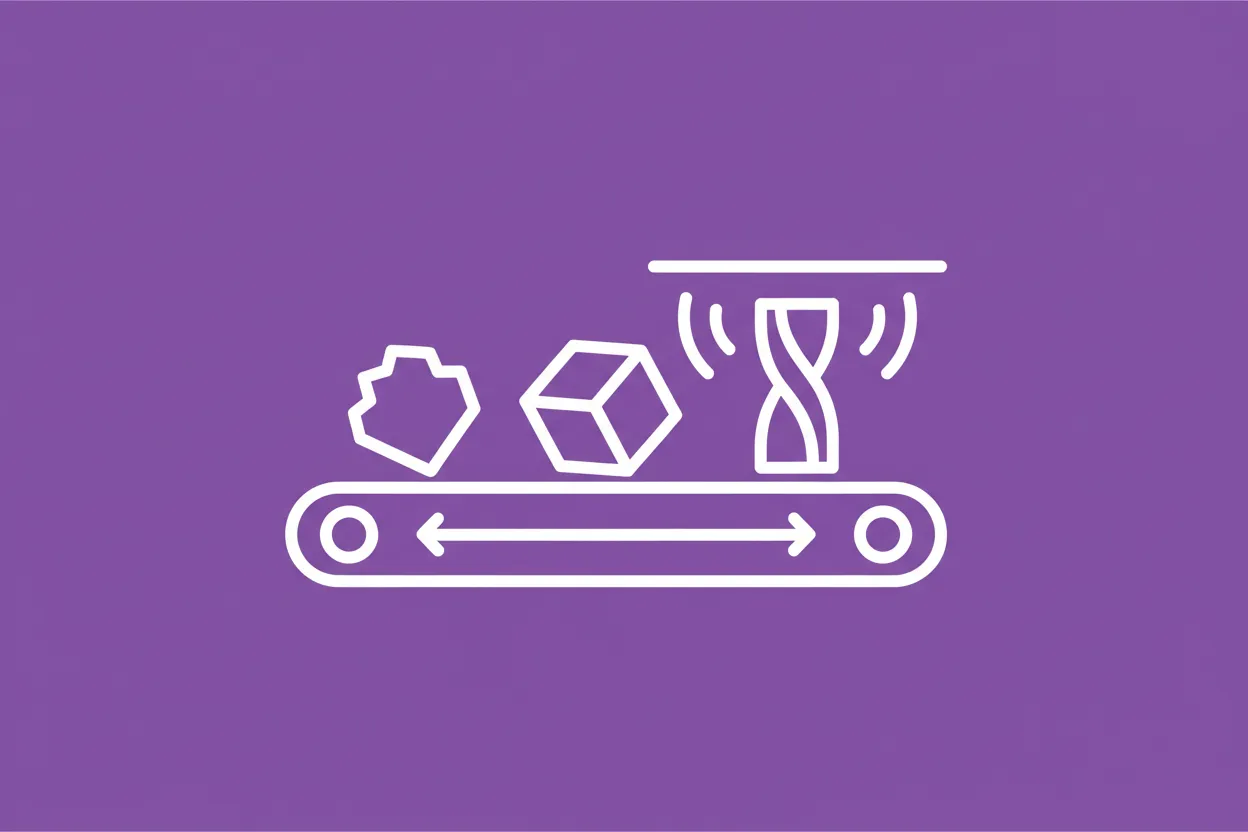
Sorting recycling without tracer-based sorting (TBS) is like trying to find a single red M&M in a big bowl of mixed colors. TBS adds tiny invisible markers to materials, helping machines spot and separate them quickly and correctly.
Think of TBS as a secret code embedded in plastics or metals that special sensors can read, much like a barcode at the grocery store. This clever system makes recycling smarter by ensuring each material goes to the right place, reducing waste and improving the quality of recycled products.
Definition: tracer-based sorting (TBS)
Tracer-Based Sorting (TBS) is a recycling technology that adds tiny invisible markers, called tracers, to materials like plastics or metals. Special sensors detect these tracers at sorting facilities, allowing machines to accurately separate different materials and improve recycling quality.
Special sensors detect invisible tracers at sorting facilities. Tracer-Based Sorting (TBS) uses tiny markers to separate different materials in recycling.
Think about sorting mixed plastics at a recycling center. Without TBS, machines might confuse similar-looking plastics, but with tracers added during manufacturing, the sensors can quickly identify and separate each type. This leads to cleaner recycled materials and less waste sent to landfills.
The rise of marker-based sorting in plastic recycling
Have you wondered how technology can improve plastic recycling? Sorting different plastic types is a major hurdle in recycling facilities. Marker-based sorting uses special tracers to make this process faster and more precise.
This technology started gaining ground in 2017 with a German research project called MaReK, where fluorescent tracers were applied to packaging. These tracers glow under certain lights, helping machines identify and separate plastic types accurately. Over time, European projects like CIRCULAR FoodPack and NEXTLOOPP refined these methods, achieving sorting purity rates above 97%.
Why does this matter? Better sorting means cleaner recyclates, which can be turned into high-quality new packaging. This makes recycling more effective and supports sustainable product design.
The success of tracer-based sorting marks a promising step toward a circular economy for plastics. It shows how innovation helps reduce waste and boost recycling quality.
4 examples on innovative sorting technologies for recycling
Here are some examples of advanced sorting methods used to improve recycling quality and efficiency:
- Fluorescent tracers: Small amounts of fluorescent materials are added to products, making them easily identifiable under specific light. This helps separate similar-looking plastics that are otherwise hard to sort.
- Magnetic tracers: Certain products include magnetic particles, allowing magnets to quickly pull them out from mixed waste streams. This speeds up sorting while reducing contamination.
- Infrared markers: Special infrared-responsive additives in materials enable sensors to detect and separate items based on their unique spectral signatures. This method enhances sorting precision.
- Radio-frequency identification (RFID): Embedded RFID tags provide detailed product information, allowing recyclers to identify and sort materials with accuracy. It supports targeted recycling processes for complex products.
While traditional sorting relies heavily on manual labor or simple mechanical methods, these advanced tracer techniques bring more accuracy and automation. They reduce waste contamination and help create higher quality recycled materials.
Terms related to advanced sorting technologies
Advanced sorting techniques play a key role in improving recycling rates and supporting the circular economy by making material separation more efficient.
| Term | Description |
|---|---|
| Optical sorting | A process using light and sensors to identify and separate materials in recycling streams. |
| Sensor-based separation | Technology that uses different sensors to detect material properties for sorting purposes. |
| Material recovery facility | A plant where collected waste is sorted and prepared for recycling or reuse. |
| Circular supply chain | A system where products and materials are reused, repaired, or recycled to minimize waste. |
| Environmental monitoring | Tracking environmental data to ensure sustainable waste management practices are followed. |
| Resource efficiency | Using materials and energy in a way that maximizes value and minimizes waste. |
| Supply chain transparency | The ability to track materials and products through every stage of production and recycling. |
Frequently asked questions on tracer-based sorting (TBS)
Tracer-based sorting is an innovative technology that helps identify and separate materials to improve recycling and sustainability.
What is tracer-based sorting in waste management innovation?
Tracer-based sorting uses tiny markers added to materials, making it easier to identify and separate them during recycling. This improves sorting accuracy and boosts recycling rates.
How does TBS contribute to industrial sustainability?
By enabling precise material separation, TBS reduces contamination in recycling streams, lowers waste, and supports industries in meeting sustainability goals through better resource use.
Can TBS improve supply chain traceability?
Yes, the tracers provide unique material identifiers that track products from production to recycling, ensuring transparency and accountability in the supply chain.
What role does TBS play in resource recovery?
TBS enhances the recovery of valuable materials by accurately sorting complex waste streams, helping to turn waste back into useful resources and reduce raw material extraction.
How does TBS fit into circular economy practices?
By improving material sorting and recycling quality, TBS supports circular economy principles where materials stay in use longer, reducing waste and environmental impact.
What advanced sensor technologies are used in TBS?
TBS uses sensors like spectroscopy and fluorescence detectors to identify tracers on materials quickly and accurately during sorting processes.
How does TBS impact environmental monitoring?
TBS can help monitor the flow of materials and pollution levels by tracking tracers, providing valuable data to improve waste management and reduce environmental harm.
How does TBS improve waste sorting systems?
It adds a new layer of identification to materials, allowing automated systems to sort mixed waste more effectively and reduce sorting errors.
What material recycling technologies complement TBS?
Technologies like mechanical recycling, chemical recycling, and automated sorting systems work hand-in-hand with TBS to enhance overall recycling efficiency and material purity.
