Our blog
Glossary
Key terms and definitions related to circularity, environmental responsibility, and sustainable practices - explained simply and clearly.
What is lighting equipment (WEEE)?
Lighting WEEE must be recycled properly to avoid hazards like mercury and recover valuable materials. EU rules and groups like EucoLight help boost collection and recycling for a greener future.

What are medical devices (WEEE)?
Medical devices under the EU WEEE Directive must be recycled properly, except infectious or implantable ones. Manufacturers handle collection and recycling, promoting a circular, eco-friendly approach.
What is IT and telecommunications equipment (WEEE)?
The WEEE Directive targets IT and telecom devices like computers and phones, promoting recycling and reuse to reduce e-waste impact, with clear disposal rules marked by a crossed-out bin symbol.
What is electrical and electronic equipment (EEE)?
Electrical and Electronic Equipment (EEE) includes devices using electricity, like phones and fridges. Proper recycling of EEE waste saves resources, protects the environment, and supports a circular economy.
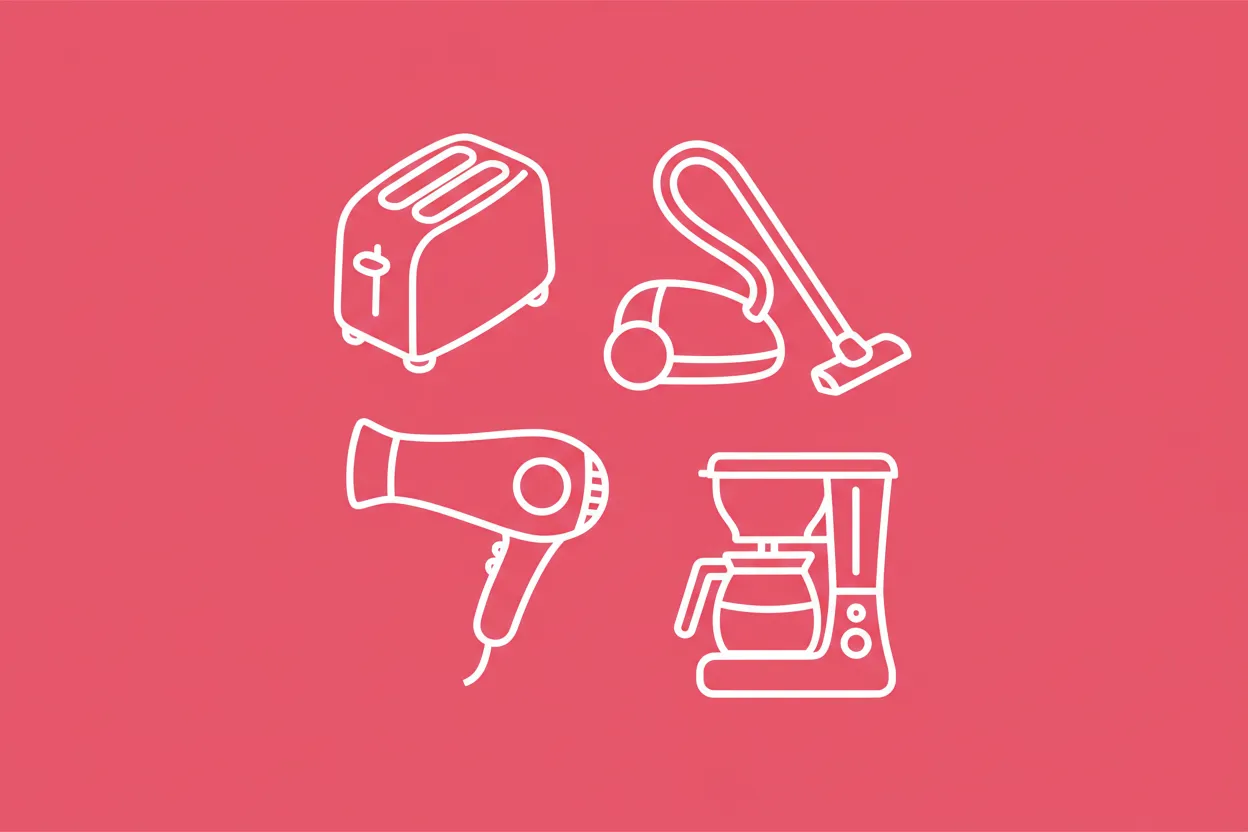
What are small household appliances (WEEE)?
Small household appliances must carry a crossed-out bin symbol under the EU WEEE Directive, ensuring they’re recycled properly to recover materials and prevent environmental harm.
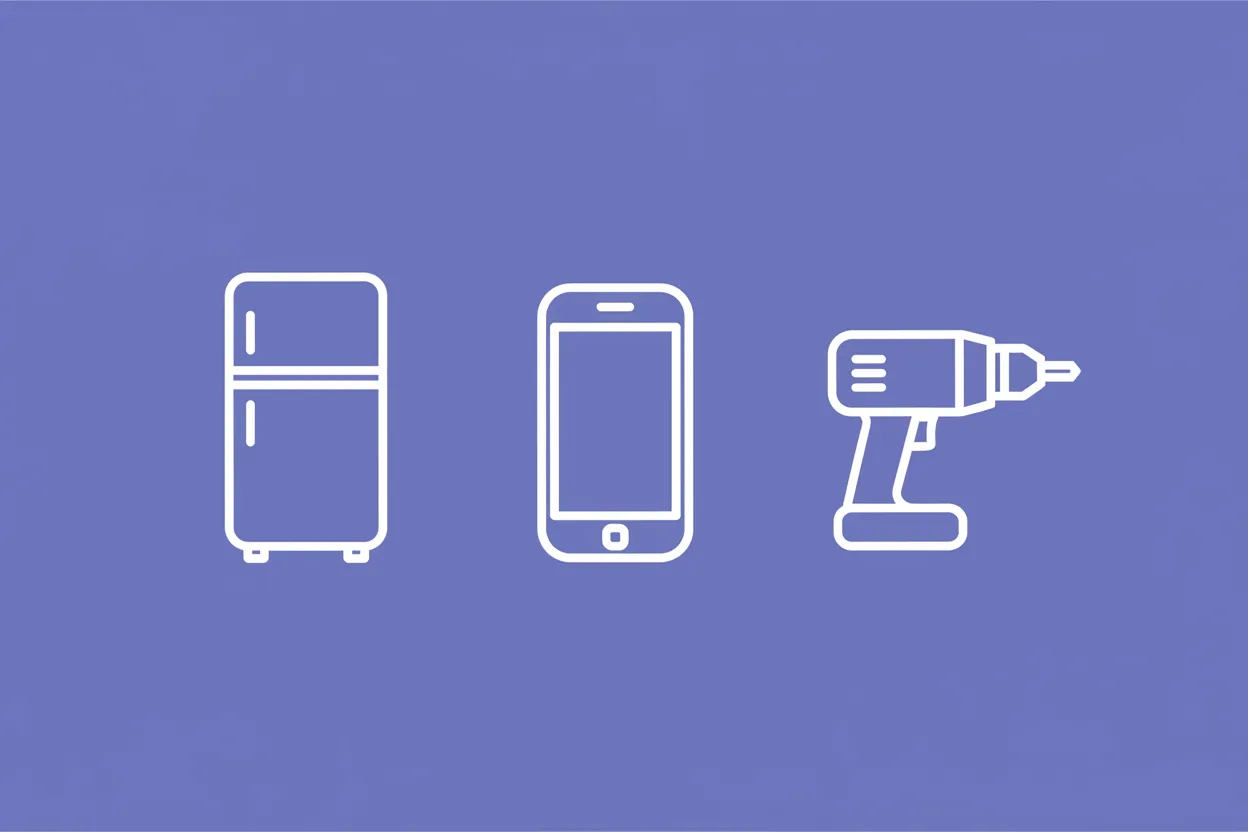
What are WEEE categories?
WEEE categories group electronic waste like appliances, IT gear, lighting, tools, toys, medical devices, and vending machines. Sorting helps recycle materials safely, supporting a circular economy.
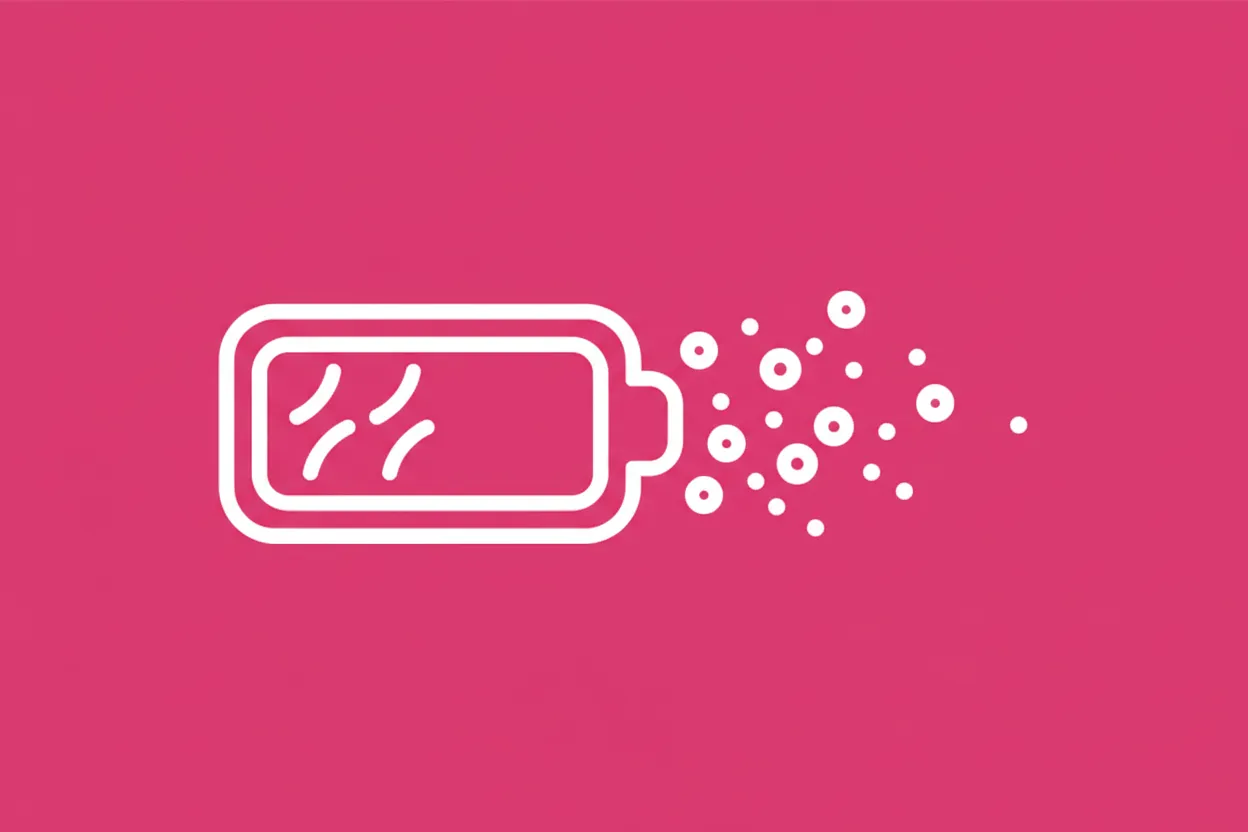
What is black mass in battery recycling?
Black mass is a powder from recycled batteries, rich in metals like lithium and cobalt. Recycling it saves resources, cuts pollution, and supports a circular economy for new batteries.
What is the WEEE recast?
The WEEE Recast boosts e-waste recycling by making producers responsible, raising targets, improving product design, and ensuring safe handling to protect the environment and save resources.
What are large household appliances (WEEE)?
Large Household Appliances (WEEE) need proper recycling to recover valuable materials, prevent pollution, and support a circular economy. Returning old appliances helps protect the environment and save resources.