Our blog
Glossary
Key terms and definitions related to circularity, environmental responsibility, and sustainable practices - explained simply and clearly.
What is green public procurement?
Green Public Procurement means governments buy eco-friendly products that save energy, reduce waste, and support fair practices, helping protect nature and fight climate change while inspiring others.

What are IFRS sustainability disclosure standards?
The IFRS Sustainability Disclosure Standards help companies report clear, consistent environmental and social impacts, supporting transparency, better decisions, and a more sustainable economy.
What is design for longevity?
Design for Longevity means making durable, repairable products that last longer, reduce waste, save resources, and support a circular economy for a healthier planet.
What is a buy-back programme?
Buy-Back Programmes let you return used items for recycling or reuse, cutting waste and saving resources. They support a circular economy and often reward you with discounts or cash.
What is refurbishment?
Refurbishment means fixing or upgrading buildings and products to extend their life, reduce waste, save resources, and support a circular economy—good for the planet and your wallet!
What is a technical cycle?
The technical cycle keeps materials like metals and plastics in use longer through repair, reuse, and recycling, reducing waste and pollution while saving resources and energy.
What is the resale and second-hand market?
Buying and selling second-hand extends product life, cuts waste, saves resources, and supports a circular economy. It’s affordable, eco-friendly, and helps reduce pollution. Give it a try!
What is the secondary packaging market?
The secondary packaging market creates outer packaging that protects grouped products during transport and sale, focusing on sustainability by using recyclable, reusable, and lightweight materials to reduce waste and emissions.
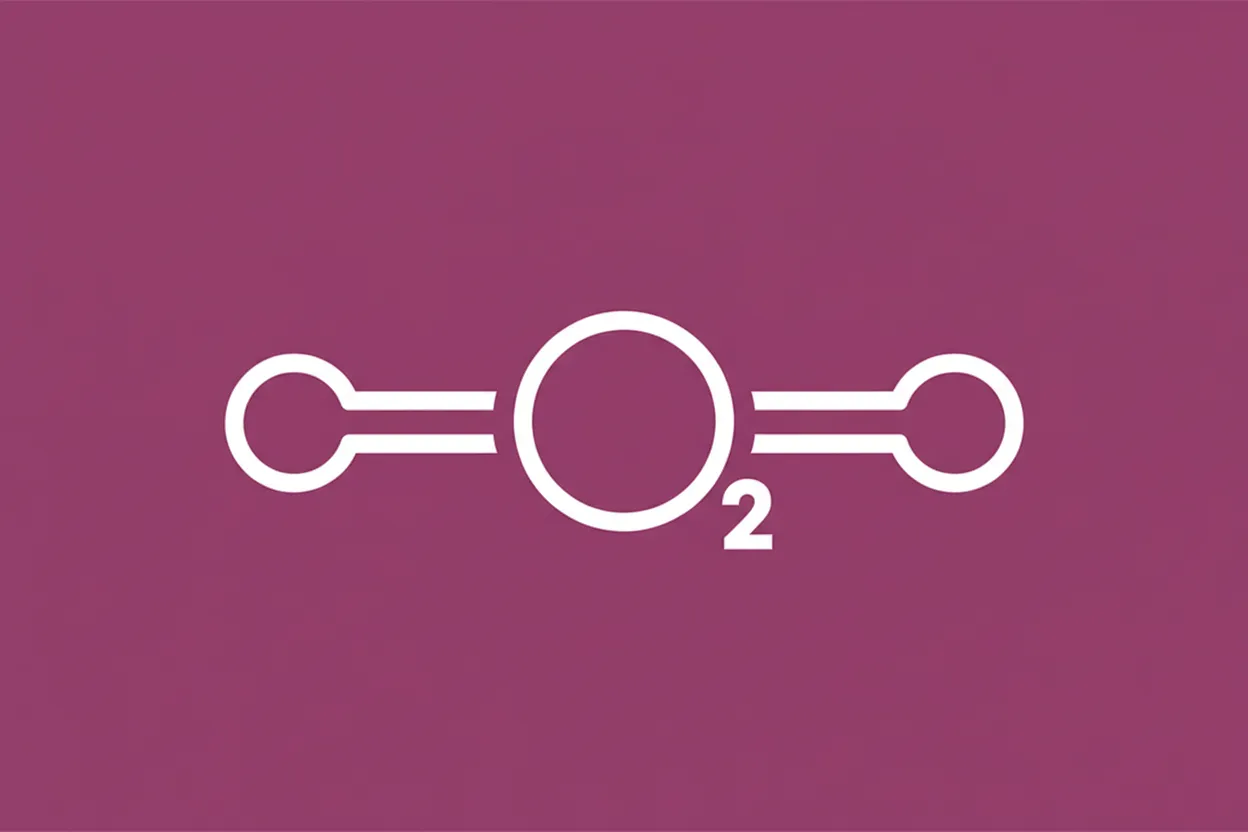
What is CO2 (carbon dioxide)?
CO2 is a natural gas vital for life but causes warming when excessive. You can lower your carbon footprint by saving energy, recycling, driving less, and choosing sustainable products.