Our blog
Glossary
Key terms and definitions related to circularity, environmental responsibility, and sustainable practices - explained simply and clearly.
What is the Task Force on Climate-Related Financial Disclosures (TCFD)?
TCFD helps companies share clear info on climate risks and opportunities, guiding smarter investments and promoting transparency for a sustainable, resilient economy.


What is circular economy finance?
Circular Economy Finance funds businesses that reduce waste, reuse materials, and recycle, promoting sustainability. It supports innovations, green jobs, and eco-friendly growth for a healthier planet.

What is modular design?
Modular design makes products with replaceable parts, reducing waste and boosting recycling. It saves resources, extends product life, and supports a circular economy for a greener future.
What are end-of-waste criteria?
End-of-Waste Criteria are rules that show when waste is treated enough to be safely reused as a resource, boosting recycling, saving energy, and supporting a circular, sustainable economy.

What are science-based targets (SBTi)?
SBTi helps companies set clear, science-backed goals to cut emissions, supporting climate goals and boosting sustainability, innovation, and trust with customers and investors worldwide.

What is Pro Europe?
PRO Circularity Alliance unites European Producer Responsibility Organisations to improve waste management, share best practices, and advocate for policies supporting recycling and a circular economy.
What is the AGEC law in France?
The AGEC Law, passed in France in 2020, fights waste by banning single-use plastics, boosting recycling, and pushing companies to make durable, repairable products. It requires clear info on recyclability, helping consumers choose greener options. Though progress is slow, it’s a key step toward a circular economy.
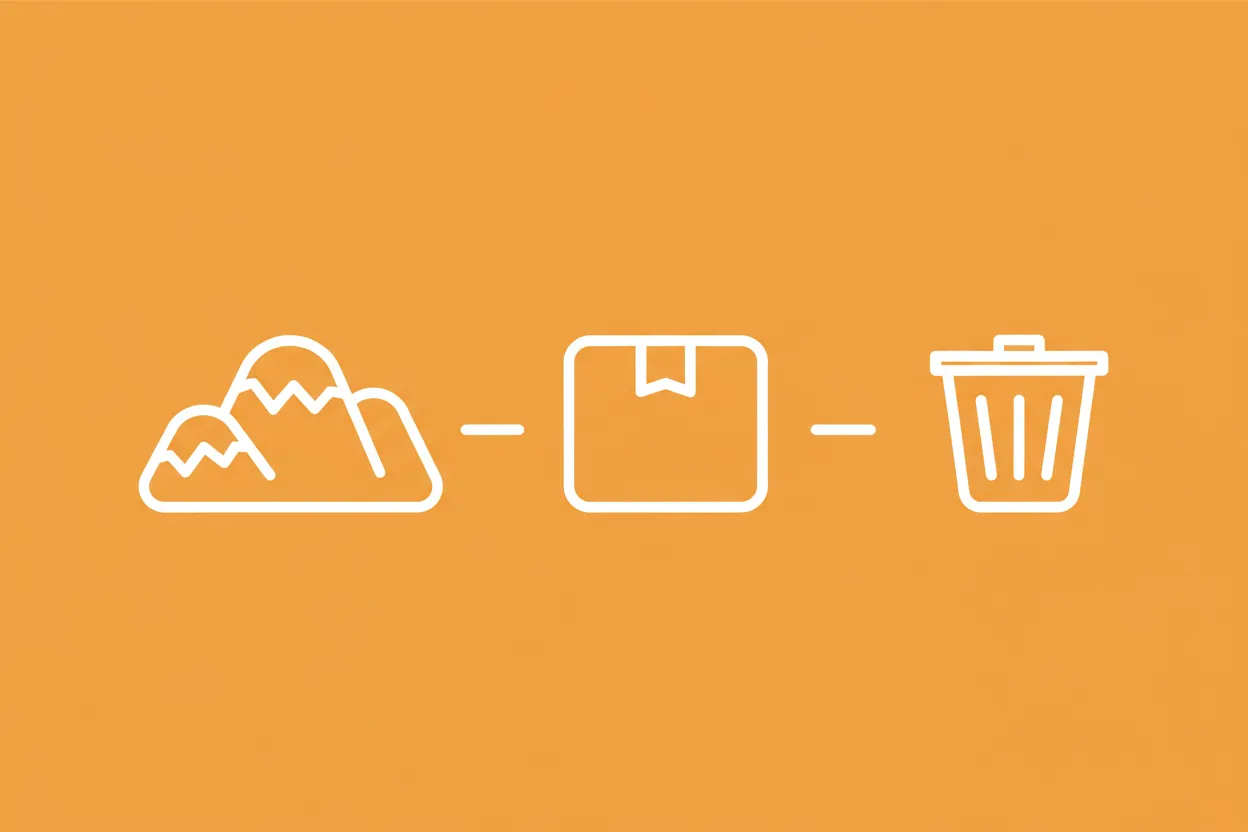
What is the take-make-dispose (linear) model?
The Take-Make-Dispose model uses resources to make products, then throws them away, causing waste and harm. Moving to reuse and recycling helps protect the planet and save materials.
What is the International Sustainability Standards Board (ISSB)?
The ISSB sets global standards for clear, comparable sustainability reporting, helping companies disclose ESG and climate risks, so investors can make informed, transparent decisions worldwide.