Our blog
Glossary
Key terms and definitions related to circularity, environmental responsibility, and sustainable practices - explained simply and clearly.
What is doughnut economics?
Doughnut Economics balances meeting human needs with protecting Earth’s limits, promoting fairness, reducing waste, and encouraging sustainable growth for a healthy planet and society.

What is the dual system in Germany?
Das Duale System in Deutschland verpflichtet Hersteller, Verpackungen zu sammeln und zu recyceln. Mit dem Grünen Punkt gekennzeichnet, fördert es Kreislaufwirtschaft, Ressourcenschutz und bessere Recyclingquoten.
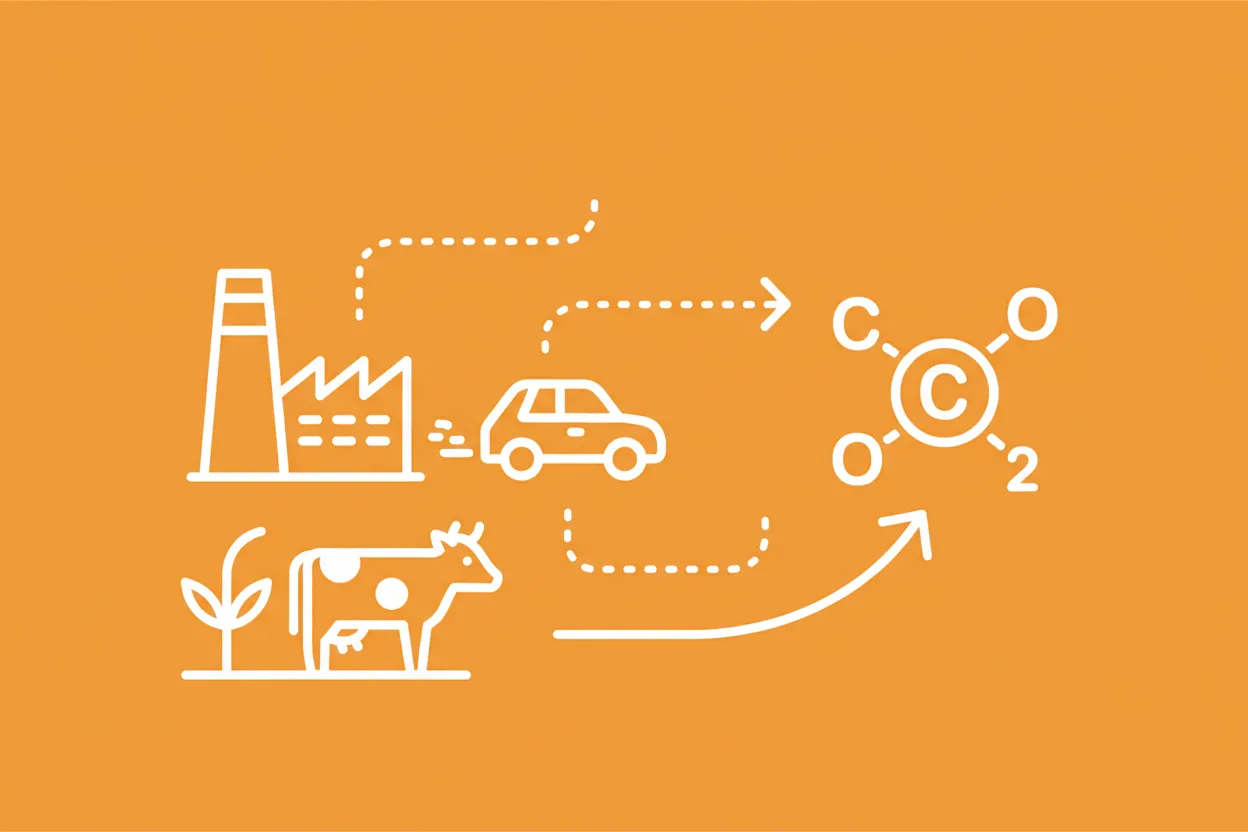
What is CO2 equivalent (CO2e)?
CO2e shows the total climate impact of all greenhouse gases in one number, helping us see and reduce our carbon footprint through better choices and actions.
What is eco-efficiency?
Eco-efficiency means making quality products using fewer resources and less waste, helping businesses save money and protect the environment, supporting a circular economy and sustainability.

What are planetary boundaries?
Planetary Boundaries are limits that keep Earth’s systems stable. Staying within them helps protect climate, water, biodiversity, and resources for a healthy, sustainable future.

What is cradle-to-cradle (C2C)?
Cradle-to-Cradle designs products to be safe, recyclable, and waste-free, creating a circular system like nature’s cycle. It supports sustainability, health, and a thriving environment.

What is remanufacturing?
Remanufacturing restores used products to like-new, saving resources, cutting waste and emissions, and lowering costs. It supports a circular economy by reusing materials and reducing environmental impact.
What is transboundary waste movement?
Transboundary waste movement is shipping waste across countries. It needs strict rules to prevent pollution and health risks, support recycling, and promote cooperation for a safer, circular economy.

What are SASB standards?
SASB Standards help companies share clear, important sustainability info tied to business success, guiding better decisions and boosting transparency for a greener, fairer future.