Our blog
Glossary
Key terms and definitions related to circularity, environmental responsibility, and sustainable practices - explained simply and clearly.
What is sustainable finance?
Sustainable finance directs money to eco-friendly projects, fair workplaces, and clean technologies, helping fight climate change and build a healthier, fairer world for everyone’s future.

What is Citeo in France?
Citeo, under France's EPR system, helps businesses recycle and reuse packaging and paper through eco-design, efficient sorting, public awareness, and innovative projects like reusable packaging and closed-loop PET recycling.

What is carbon sequestration?
Carbon sequestration captures and stores CO2 from the air using nature (like trees and soil) or technology, helping reduce greenhouse gases and fight climate change for a healthier planet.
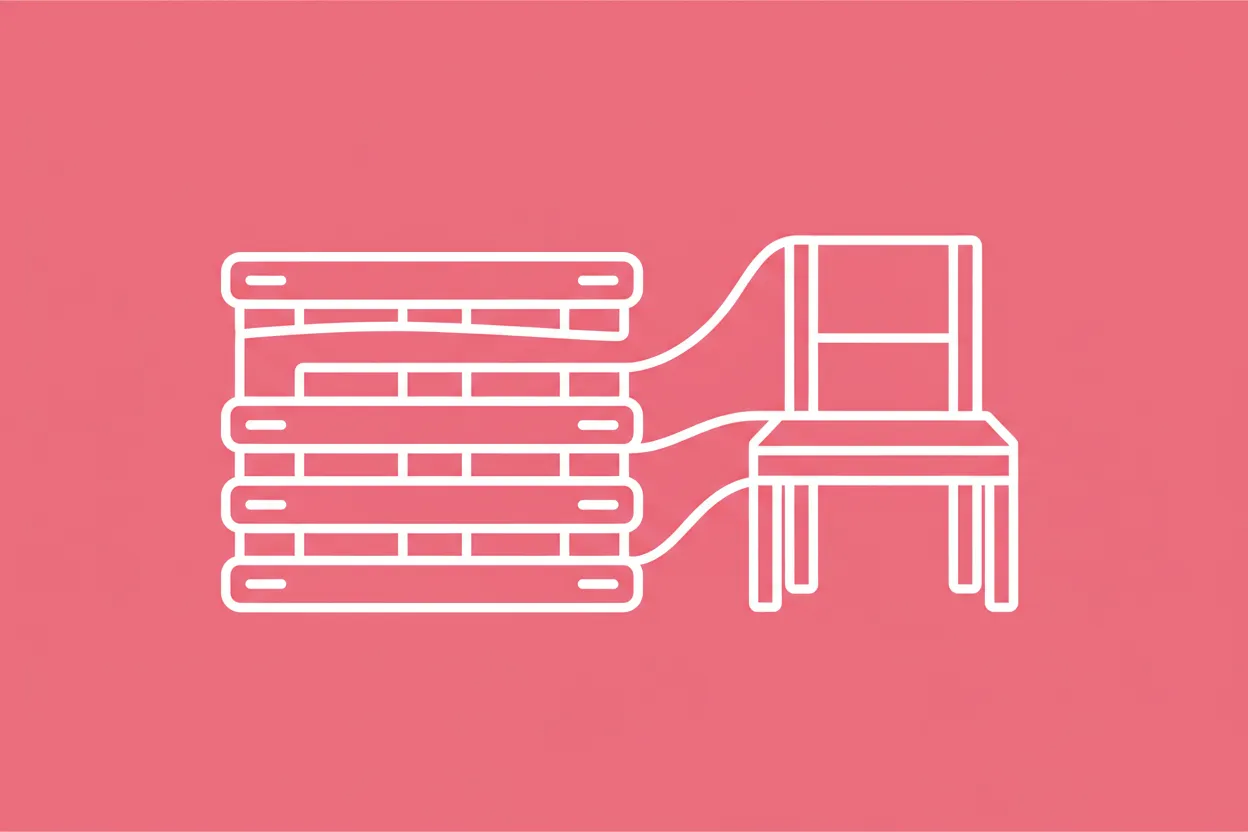
What is cascading use in materials?
Cascading use means reusing materials in different ways before disposal, saving resources, reducing waste, and supporting a circular economy for a greener, more sustainable future.
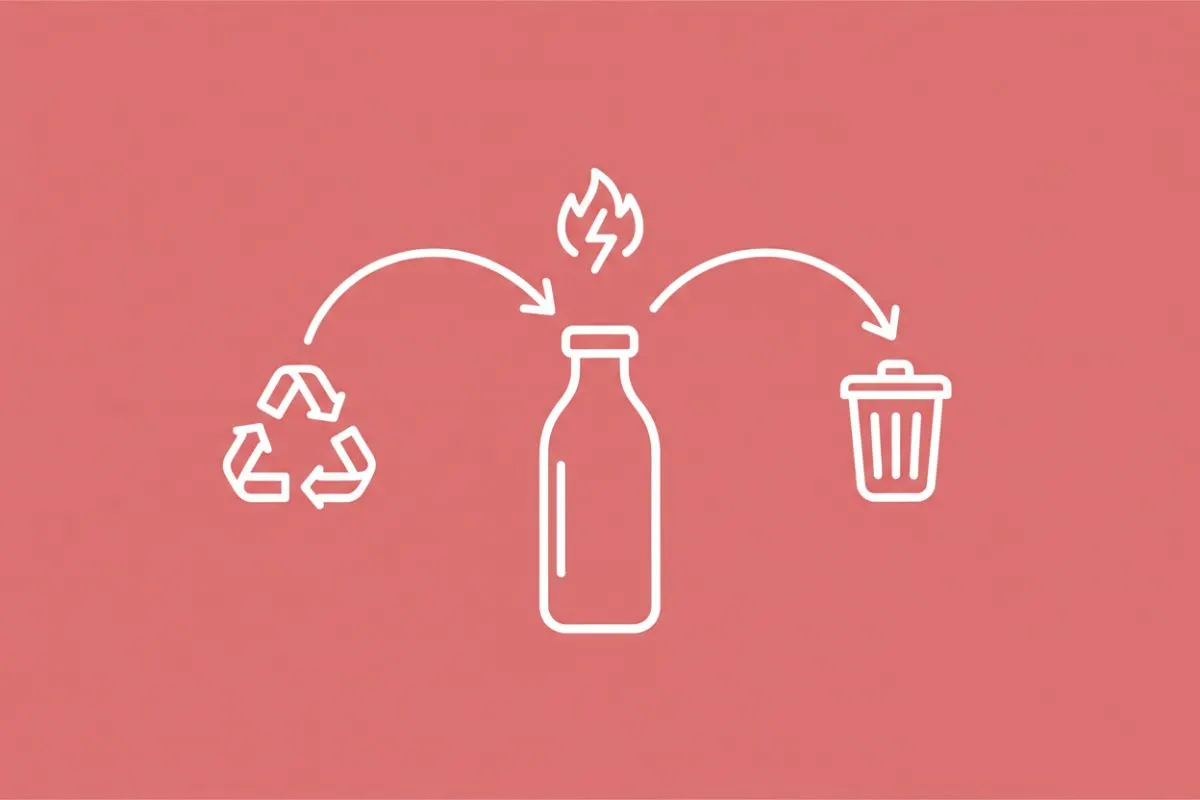
What is the circular footprint formula (CFF)?
The Circular Footprint Formula measures a product’s environmental impact by balancing benefits and costs of recycling, energy recovery, and disposal, helping promote sustainable, circular product design.

What is a circular business model?
A circular business model reduces waste by designing lasting, repairable products, recycling materials, sharing items, and using waste as resources—saving money and protecting the environment.
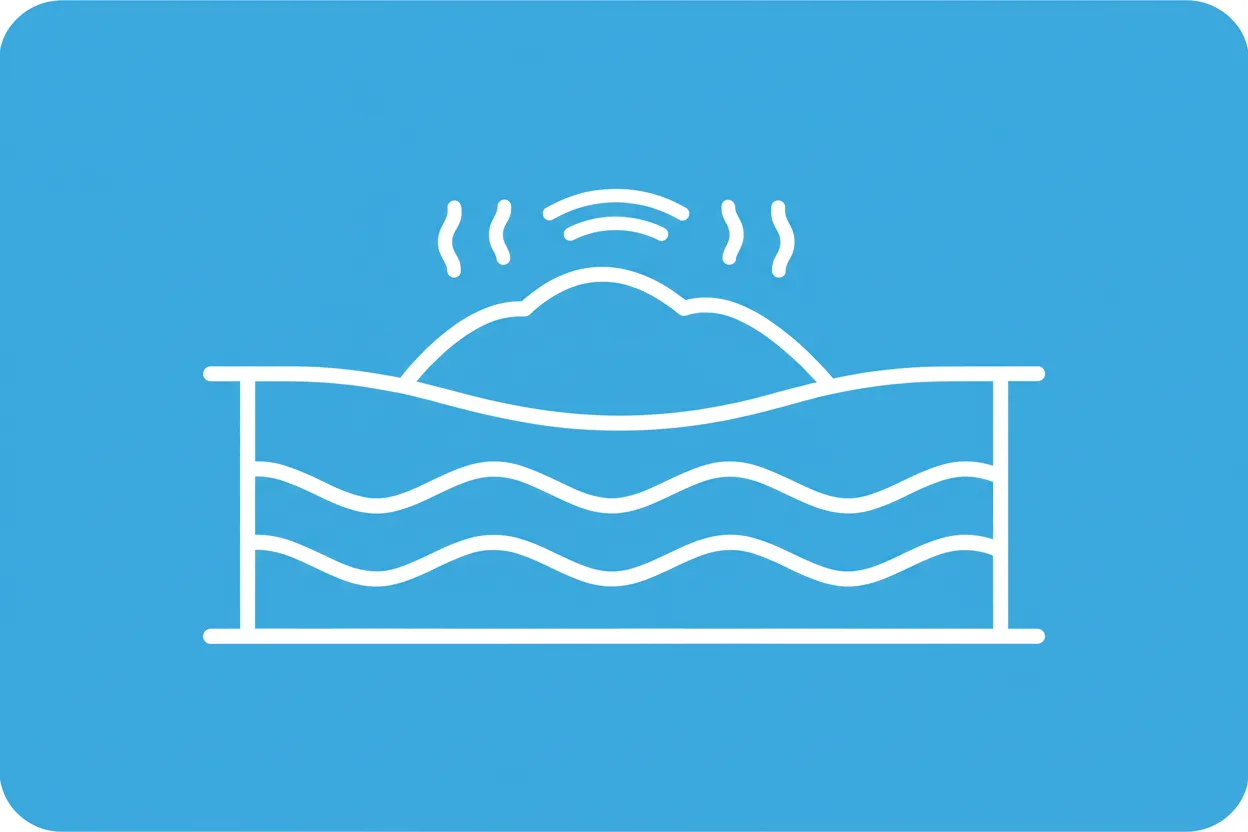
What is a landfill?
Landfills safely store waste but take space and risk pollution. Reducing, reusing, and recycling keep materials in use longer, cutting landfill need and protecting the environment.

What is global warming potential (GWP)?
Global Warming Potential (GWP) measures how much heat a gas traps compared to CO2 over 100 years. It helps track emissions, guide policies, and make better eco-friendly choices.
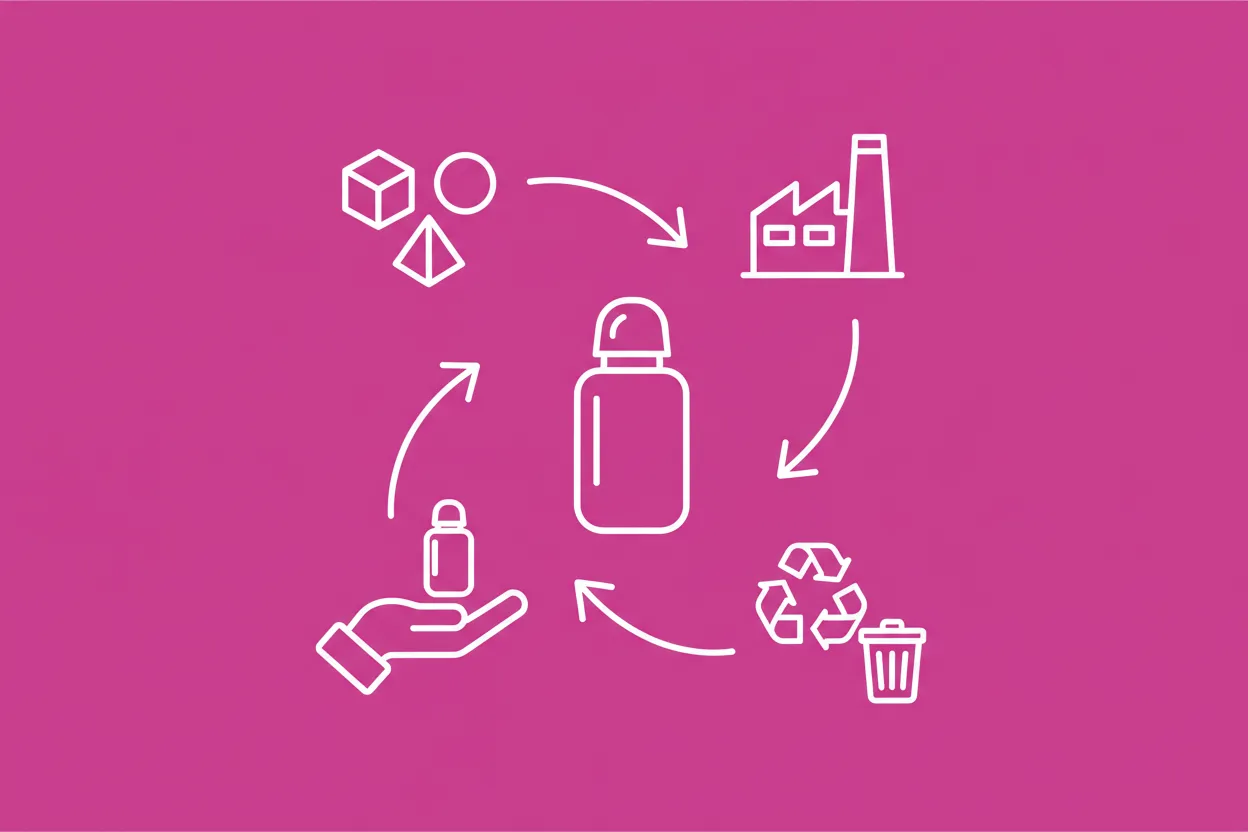
What is a product lifecycle?
A product lifecycle tracks a product from raw material use to disposal, highlighting energy, waste, and pollution. It guides greener choices, supports recycling, and promotes a circular economy.