Frederik Kiel Jespersen
Frederik Kiel is Co-Founder and Chief Technology Officer at Repax, where he architects technology solutions that bridge the gap between regulatory compliance and sustainable business practices. He focuses on building scalable infrastructure that transforms complex environmental responsibilities into actionable insights. With a commitment to better technology as a force for environmental stewardship, Frederik works at the intersection of compliance innovation and circular economy advancement.
Articles by :author:
The latest industry news, interviews, technologies, and resources.
What is food waste?
Glossary
Food waste wastes resources, harms the environment, and fuels climate change. Reducing it saves money, feeds people, and supports sustainability through actions like meal planning, donating, and composting.
What is pollution?
Glossary
Pollution harms air, water, and land, affecting health and nature. Reducing it needs cleaner energy, better waste management, and smarter daily choices like biking and recycling.
What is anti-hail netting?
Glossary
Anti-hail netting protects crops from hail damage using durable, reusable plastic nets, reducing food waste and chemical use, supporting sustainable, circular farming practices.
What is biodiversity loss?
Glossary
Biodiversity loss means fewer species exist due to human actions, harming ecosystems that provide clean air, water, and food. Protecting it ensures a healthy planet and benefits for all.
What is biodiversity?
Glossary
Biodiversity is the variety of life that keeps ecosystems healthy and balanced, providing food, clean air, and medicine. Protecting it supports nature’s resilience and benefits people’s well-being.
What is eco-contribution for agricultural plastics?
Glossary
Eco-contribution adds a small fee to farm plastics, funding their collection and recycling. It helps reduce pollution, supports farmers, and promotes a circular economy for a greener future.
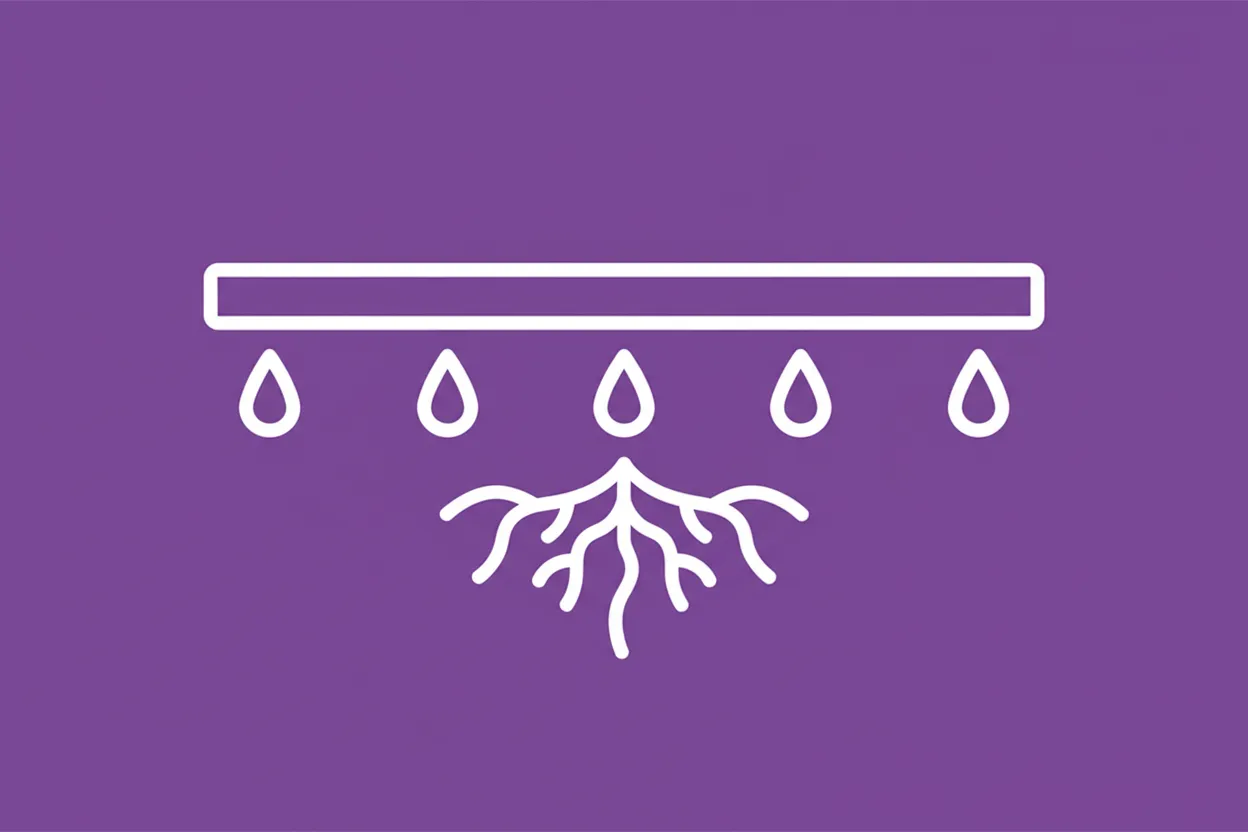
What is drip tape irrigation?
Glossary
Drip tape delivers water directly to plant roots, saving water and energy. It's easy to use, promotes healthy growth, and with proper disposal or biodegradable options, supports sustainable farming.

What is bale twine and net wrap?
Glossary
Bale twine and net wrap help farmers bundle crops tightly for easy handling. Made mostly from plastic, proper recycling and disposal are key to reducing waste and protecting the environment.
What is the Wales fishing gear recycling scheme?
Glossary
The Wales Fishing Gear Recycling Scheme collects and recycles fishing nets and ropes, turning waste into products like kayaks, cutting marine pollution and boosting circular economy efforts.
What is ADIVALOR (France - Agricultural Plastics PRO)?
Glossary
ADIVALOR leads in France by recycling 102,000 tonnes of agricultural plastics, engaging 300,000 users, boosting circular economy, and cutting waste through strong collaboration and innovation.
What is fishing gear dismantling?
Glossary
Fishing gear dismantling breaks down old nets, ropes, and metal to recycle materials, reducing ocean pollution and ghost gear, supporting marine life, circular economy, and local jobs.
What is APE Europe (Agriculture Plastics Environment)?
Glossary
APE Europe promotes recycling of agricultural plastics across Europe, supporting farmers with collection schemes to reduce waste, protect the environment, boost crop yields, and foster a circular economy.