Oskar Mortensen
Oskar Mortensen is a Content Specialist at Repax who loves turning complicated sustainability rules into something everyone can actually understand. Think of him as your friendly guide through the world of EPR regulations and circularity—breaking down the confusing stuff so you can focus on what really matters for your business. His goal? Making environmental compliance feel less like homework and more like a conversation. When Oskar's not writing helpful content, you'll find him out on the golf course, breathing in that fresh air and enjoying nature's own waste-free system.

Articles by :author:
The latest industry news, interviews, technologies, and resources.

What is cost neutrality in EPR?
Glossary
Cost neutrality in EPR means producers fully cover waste management costs without profit, keeping prices fair, encouraging recycling, and supporting a cleaner, more sustainable planet.

What is green, yellow, and red packaging classification?
Glossary
Green, Yellow, Red Packaging Classification shows how eco-friendly packaging is: Green is best (recyclable/compostable), Yellow is okay but improvable, Red is harmful and hard to recycle. Choose green!
What is EPR for cigarette butts?
Glossary
EPR for cigarette butts makes tobacco makers responsible for collecting, recycling, and reducing litter, cutting pollution and protecting ecosystems by funding cleanup and setting targets.

What is packaging tax?
Glossary
Packaging taxes charge fees on plastic packaging with low recycled content, pushing businesses to use recyclable or reusable materials, reducing waste and supporting a circular, sustainable economy.

What are advance disposal fees?
Glossary
Advance Disposal Fees are upfront charges that fund recycling and safe disposal, encouraging better product design and supporting circular economy by covering waste costs from the start.
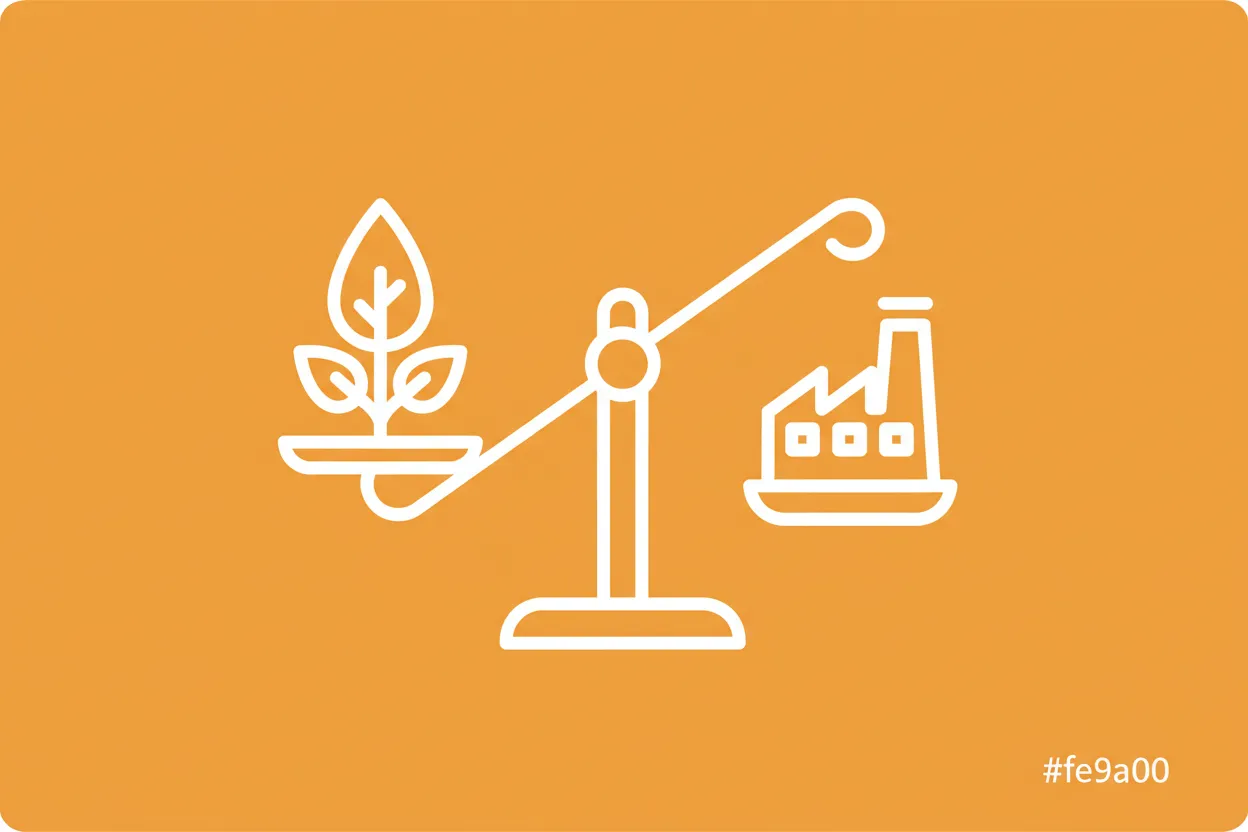
What is a bonus/malus model?
Glossary
The Bonus/Malus Model rewards eco-friendly actions like recycling and penalizes pollution, making sustainability a smart choice. It helps reduce waste, boost recycling, and support a cleaner planet.

What is EPR for paint?
Glossary
EPR for Paint makes producers responsible for leftover paint, ensuring safe disposal, recycling, and less waste. It protects the environment and promotes a circular, sustainable system.

What is EPR for medical devices?
Glossary
EPR for medical devices makes producers responsible for safe disposal and recycling, reducing waste and pollution. It encourages better design and supports a greener, circular healthcare system.
What is EPR for printed paper?
Glossary
EPR for printed paper makes producers responsible for recycling and waste, reducing landfill use, supporting circular economy, and encouraging eco-friendly design for a cleaner, sustainable future.

What is textile waste?
Glossary
Textile waste harms the planet by lasting long in landfills and wasting resources. Reusing, recycling, and choosing sustainable clothes help reduce this impact and support a circular economy.

What is EPR for chewing gum?
Glossary
EPR for chewing gum holds makers responsible for waste management, promoting recycling and less pollution. It helps create cleaner spaces and supports a circular, sustainable economy.

What is fast fashion waste?
Glossary
Fast fashion waste floods landfills with short-lived clothes, harming the environment through pollution and resource loss. Buying less, recycling, and repairing helps create a circular, sustainable future.