Oskar Mortensen
Oskar Mortensen is a Content Specialist at Repax who loves turning complicated sustainability rules into something everyone can actually understand. Think of him as your friendly guide through the world of EPR regulations and circularity—breaking down the confusing stuff so you can focus on what really matters for your business. His goal? Making environmental compliance feel less like homework and more like a conversation. When Oskar's not writing helpful content, you'll find him out on the golf course, breathing in that fresh air and enjoying nature's own waste-free system.

Articles by :author:
The latest industry news, interviews, technologies, and resources.

What is EPR for nappies and absorbent hygiene products?
Glossary
EPR makes producers responsible for nappies’ waste, encouraging eco-friendly design and recycling systems. It reduces landfill harm and supports a cleaner, circular future for these products.

What is construction and demolition waste?
Glossary
Construction and Demolition Waste can be reused and recycled to save resources, reduce pollution, and support a circular economy. Sorting waste and smart design help make construction greener and more sustainable.
What is EPR for photovoltaic panels?
Glossary
EPR for PV panels makes producers responsible for collecting and recycling old panels, reducing waste. Due to PV panels’ unique traits, tailored rules beyond WEEE may better support circularity and sustainability.

What is e-waste?
Glossary
Keep electronics longer, repair when possible, and recycle at official collection points. Use take-back programs stores offer to safely handle e-waste and protect the environment.
What is EPR for furniture?
Glossary
EPR for furniture makes producers responsible for old furniture, promoting recycling, reuse, and eco-friendly disposal. It helps reduce waste, save resources, and support a circular economy.

What is EPR for tyres?
Glossary
EPR for tyres makes producers responsible for collecting and recycling old tyres, reducing waste, pollution, and promoting a circular economy for a cleaner, greener planet.
What is EPR for vehicles (end-of-life)?
Glossary
EPR for vehicles makes manufacturers responsible for recycling and safely disposing of old cars, reducing waste and pollution while promoting eco-friendly design and a circular economy.
What is EPR for oils?
Glossary
EPR for Oils makes producers responsible for collecting and recycling used oils, preventing pollution and turning waste into valuable products like biofuels—helping protect nature and support a circular economy.
What is EPR for fishing gear?
Glossary
EPR for fishing gear makes producers responsible for collecting and recycling old gear, reducing ocean pollution, protecting marine life, and encouraging sustainable, eco-friendly fishing equipment.
What is EPR for batteries?
Glossary
EPR for batteries makes producers responsible for collecting and recycling used batteries, keeping harmful waste out of nature and saving valuable materials for a cleaner, greener future.
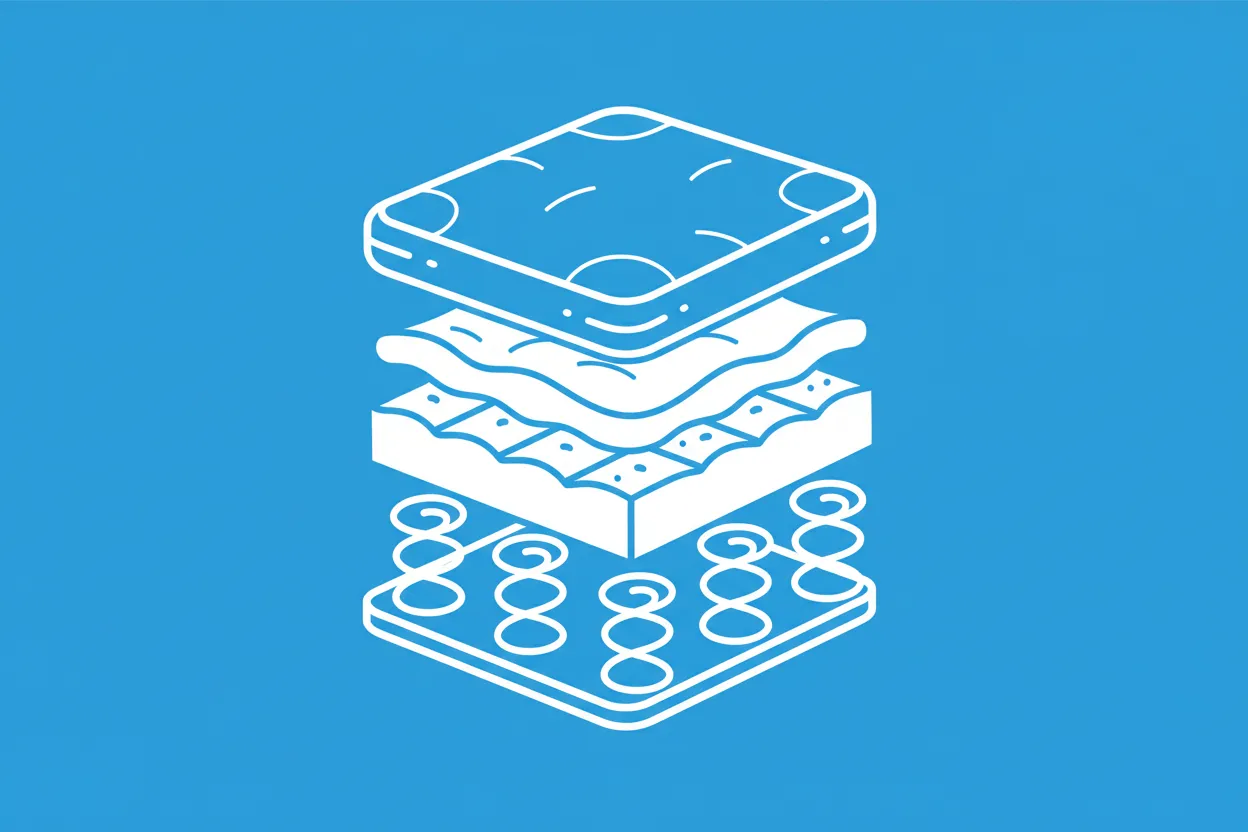
What is EPR for mattresses?
Glossary
EPR for mattresses makes producers responsible for recycling old mattresses, reducing landfill waste, encouraging better design, and supporting a circular economy that saves resources and cuts pollution.

What is EPR for electronics (WEEE)?
Glossary
EPR for electronics makes producers responsible for recycling old devices, reducing pollution, conserving resources, and supporting jobs—helping create a cleaner, circular economy for a sustainable future.