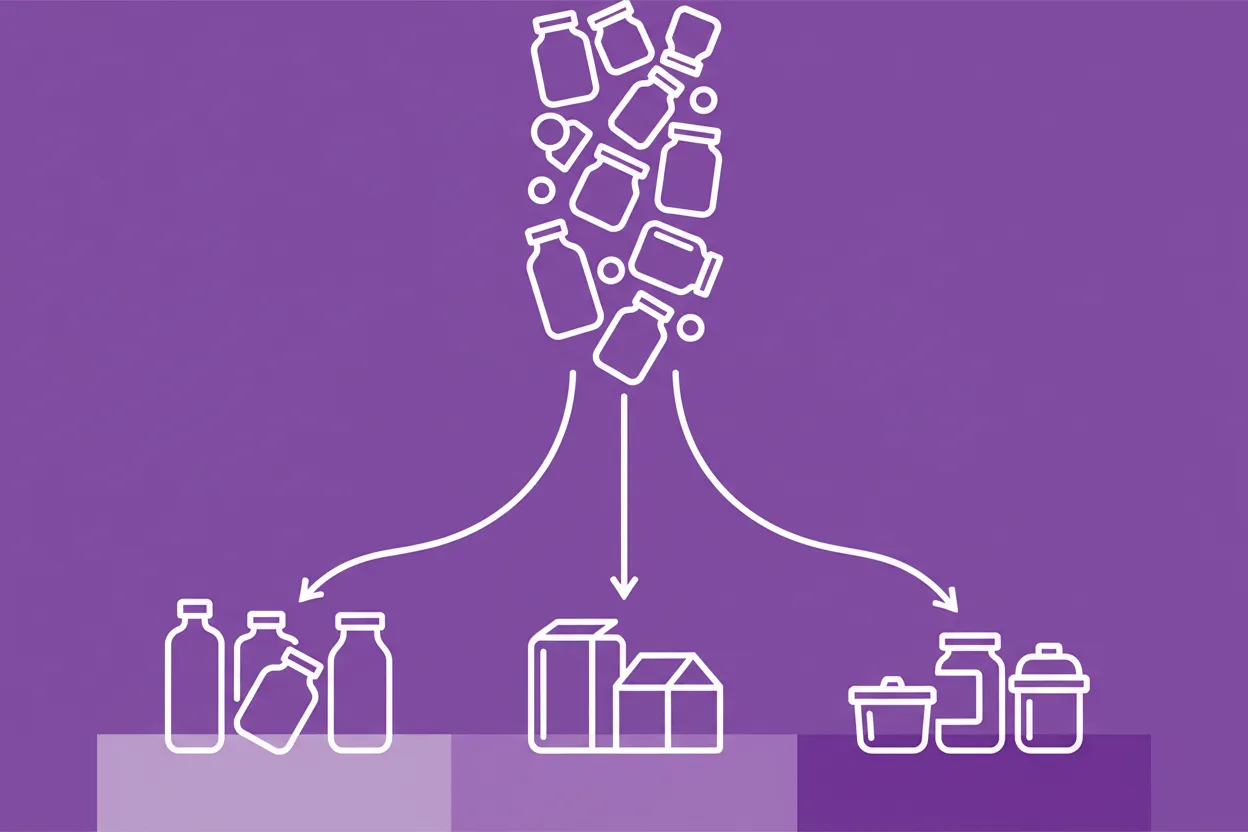
Sorting materials by color during recycling is like organizing a box of crayons so each shade is easy to find and use. When items have clear, distinct colors, machines and people can quickly separate them, making recycling smoother and more effective.
Think about sorting laundry: mixing whites and darks can ruin clothes, just like mixing similar colors in recycling can spoil the quality of recycled materials. Colour Sorting Compatibility helps keep materials separated by color, so recycled products stay strong and useful.
Good colour sorting is a simple step that helps reduce waste and supports a circular economy, where materials are reused again and again. When products are designed with sorting in mind, recycling becomes easier, cleaner, and better for the environment.
Definition: colour sorting compatibility
Colour Sorting Compatibility refers to how easily materials can be separated by color during recycling or waste sorting. It ensures materials have distinct colors so machines or workers can sort them accurately, which improves the quality and efficiency of recycling processes.
Colour Sorting Compatibility ensures materials have distinct colors for easy sorting. It helps improve recycling quality and efficiency.
Think about how glass bottles are often sorted by color—clear glass is kept separate from green or brown. This separation prevents mixing that could weaken recycled glass, showing how Colour Sorting Compatibility works in real life.
Clearing up myths about colour and material sorting in recycling
Have you ever wondered if tossing all plastics in one bin really works? Many people think recycling is simple, but mixing materials and colours can cause problems. Colour sorting compatibility plays a big role in making recycling effective and clean.
Not all plastics belong together; some contain different types that confuse recycling machines. For example, toys or toothbrushes use mixed plastics that should go to special disposal points. Glass recycling also depends on colour separation—mixing green, brown, and clear glass can spoil whole batches, reducing their value and usefulness.
Some believe labels and colours on plastics don’t matter, but they do. Dark plastics or full-wrap labels can block sensors, making sorting less accurate. This contamination can lower recycling rates and increase waste sent to landfills.
Recycling facilities aren’t all the same either. Knowing your local system’s rules helps avoid mistakes and improves circularity. Proper sorting supports sustainability and reduces greenhouse gases—small actions add up.
Sorting right means cleaner recycling streams and a greener planet. Let’s get it right together!
3 examples on improving sorting accuracy in recycling
Here are some practical ways to enhance how materials are separated during recycling:
- Optical sensors: These devices use light to detect the color and type of materials, allowing for better identification and separation. This key technology boosts sorting efficiency by distinguishing subtle differences in waste streams.
- Standardized packaging colors: When manufacturers use consistent colors for packaging, it helps sorting machines recognize materials more easily. This reduces errors and increases the quality of recycled output.
- Contrast-enhancing labels: Adding labels with colors that sharply differ from the packaging helps sorting equipment detect items more accurately. This small change can significantly improve sorting speed and precision.
While advanced sensors can identify many colors, inconsistent packaging colors still cause challenges. Combining technology with smarter design choices creates a clearer path for better recycling.
Key terms linked to sorting waste by color
Proper sorting of waste by color helps improve recycling efficiency and reduces contamination. Here are some terms connected to this process:
| Term | Description |
|---|---|
| Material separation | The process of dividing waste into different materials for recycling. |
| Optical sorting systems | Machines that use light and sensors to identify and separate materials. |
| Automated waste sorting | Using technology to sort waste without manual labor. |
| Recycling process optimization | Techniques to make recycling faster and more effective. |
| Packaging waste management | Strategies to handle and recycle packaging materials properly. |
Frequently asked questions on colour sorting compatibility
Colour sorting plays a key role in making recycling more efficient and turning waste into valuable resources.
What is the role of colour recognition in recycling?
Colour recognition helps sorting machines identify and separate plastics and glass by colour, improving recycling quality and reducing contamination.
How does automated waste sorting improve recycling?
Automated sorting uses sensors and machines to quickly separate materials, making recycling faster, more accurate, and less labor-intensive.
What waste sorting technologies are used alongside colour sorting?
Technologies like near-infrared sensors, magnets, and air jets work with colour sorting to separate plastics, metals, and paper efficiently.
How does colour sorting affect packaging waste management?
By sorting packaging materials by colour, recyclers can process similar items together, reducing costs and increasing the chance materials are reused.
How does material separation impact recycling process optimization?
Accurate separation of materials by colour and type reduces contamination, improves recycling yields, and supports a circular economy by keeping materials in use.
What are circular economy practices related to colour sorting?
Using colour sorting to improve recycling supports circular economy goals by turning waste into new products and conserving resources.
How does waste sorting affect environmental impact?
Better sorting decreases landfill waste, lowers energy use in recycling, and reduces pollution, making waste management greener and more sustainable.
