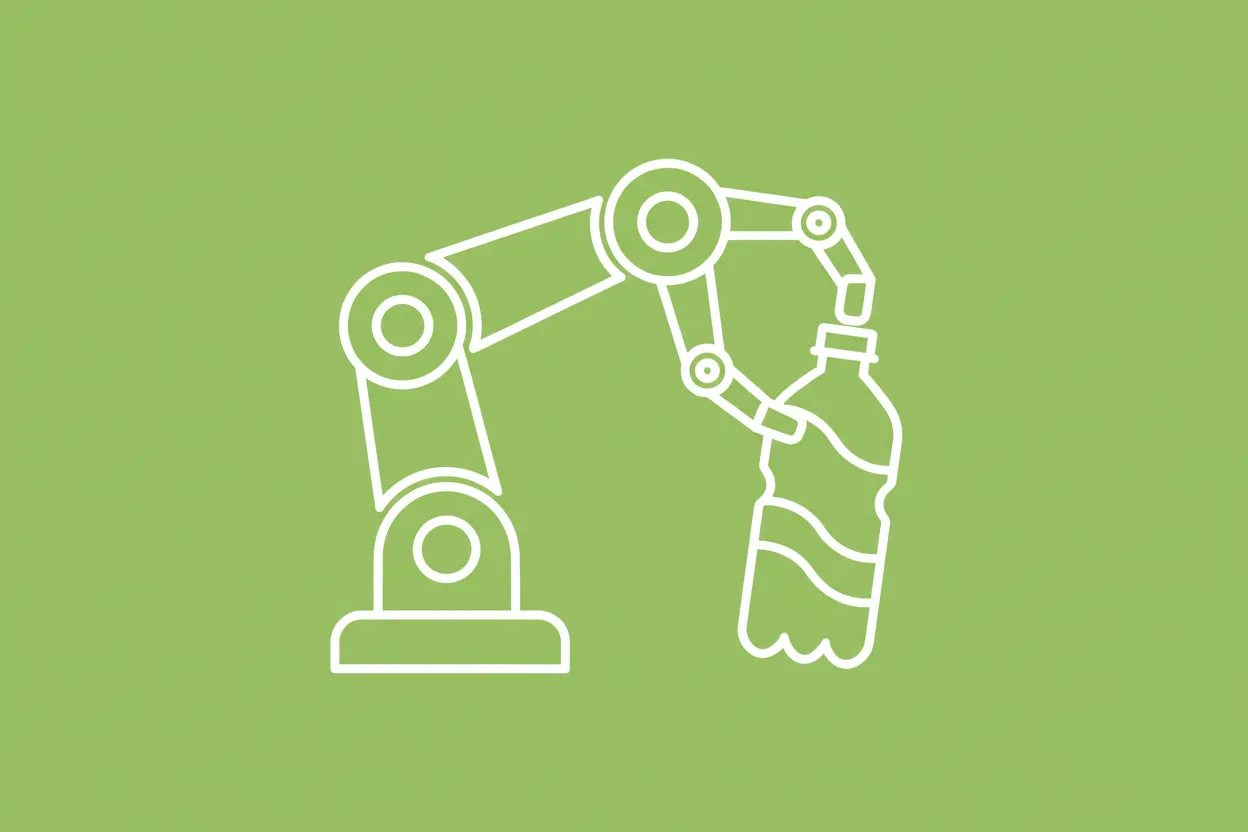
Robotic sorting makes recycling smarter by using cameras and sensors to quickly spot and separate materials like plastic, metal, and glass. This technology helps recycling run faster and cleaner than sorting by hand.
It’s a game changer for recycling centers, cutting down mistakes and keeping materials pure for reuse. Robots work safely and steadily, making the whole process more reliable and efficient.
By improving how we sort waste, robotic sorting supports a circular economy where materials get reused instead of thrown away. This means less pollution, fewer raw materials taken from nature, and a healthier planet for everyone.
Definition: robotic sorting
Robotic sorting is a technology in recycling that uses sensors and cameras to automatically identify and separate different materials like plastics, metals, and glass. Robots scan items on a conveyor belt and use mechanical arms or air jets to sort them quickly and accurately, making recycling faster and more efficient.
Robots scan items on a conveyor belt and use mechanical arms or air jets to sort them quickly and accurately. Robotic sorting is a technology in recycling that uses sensors and cameras to automatically identify and separate different materials.
For example, in a recycling plant, a robotic sorting system can spot a plastic bottle among mixed waste and gently push it into the correct bin. This keeps materials clean and ready to be recycled into new products, saving energy and reducing pollution.
How robotic automation transformed recycling sorting
Have you wondered how machines became key players in recycling? The shift from manual to robotic sorting started with simple automated collection tools and has grown into sophisticated AI-driven systems. This change helps tackle waste more efficiently and supports sustainability goals.
The journey began with reverse vending machines that encouraged recycling by accepting used beverage containers. Later, innovations combined artificial intelligence and robotics to identify and separate materials like plastics, metals, and paper on moving belts. These advances improved sorting accuracy and sped up processing, making recycling facilities more productive and reliable.
Robotic sorting also helps address labor shortages, providing a consistent and safe alternative for handling waste. With robots working alongside humans, recycling centers can process more materials and reduce contamination, which is crucial for recycling quality.
This rise in robotic sorting shows how technology supports a circular economy by improving resource recovery. It’s a promising step toward smarter, more sustainable waste management worldwide.
7 examples on how automation improves recycling efficiency
Here are some ways technology helps sort materials faster and more accurately, making recycling more effective:
- AI-powered vision systems: These use cameras and machine learning to identify different types of plastics and metals. This boosts sorting accuracy and reduces contamination.
- Robotic arms with grippers: Robots equipped with special grippers pick up and separate items based on material type. This speeds up sorting lines while handling delicate or oddly shaped objects.
- Optical sorting: Sensors detect colors and shapes to separate materials like glass, plastic, and paper. It automates processes that were once manual and error-prone.
- Near-infrared (NIR) scanners: These scan items to identify specific plastic types by their chemical signatures. It helps recycle materials that look similar but have different properties.
- Magnetic separators: Machines pull out ferrous metals like iron and steel from mixed waste streams. This ensures metals don’t contaminate other recyclable materials.
- Eddy current separators: These create magnetic fields to separate non-ferrous metals such as aluminum from other waste. It is essential for recovering valuable metals efficiently.
- Weight sensors: Integrated scales help robots decide which items to pick based on weight thresholds, improving sorting decisions and reducing errors.
While these technologies can speed up and improve sorting, they require upfront investments and maintenance. Manual sorting still plays a role in some facilities where automation is too costly or complex.
Terms related to automated waste separation
Many modern recycling facilities rely on advanced technology to improve sorting accuracy and efficiency.
- Automated waste sorting: Machines separate recyclables from trash without human intervention, speeding up the process.
- Machine learning: Computers learn to recognize patterns in waste materials to improve sorting decisions over time.
- Computer vision: Cameras and software identify different materials based on shape, color, and texture.
- Industrial robotics: Robots designed for heavy-duty tasks help handle and sort large amounts of waste.
- Smart sensors: Devices detect material types or contamination to guide sorting equipment.
- Artificial intelligence: AI systems analyze data and control sorting machines to optimize recycling streams.
- Circular economy technologies: Tools and methods that support reusing materials to reduce waste and conserve resources.
Frequently asked questions on robotic sorting
Robotic sorting is changing how we handle waste and recycling, making processes faster and more efficient.
What is automated waste sorting?
Automated waste sorting uses machines and robots to separate materials like plastic, metal, and paper quickly. This helps recycling centers process more waste with less human effort.
How does machine learning improve waste management?
Machine learning teaches robots to recognize patterns in waste, improving sorting accuracy over time. This means fewer mistakes and better recycling results.
What role does computer vision play in material recognition?
Computer vision allows robots to “see” and identify different materials by analyzing images. This helps them pick out recyclable items correctly from mixed waste.
How are industrial robots used in recycling?
Industrial robots handle heavy lifting and precise sorting tasks. They work alongside other machines to speed up recycling, reducing the need for manual labor.
What recycling technologies are combined with robotic sorting?
Robotic sorting often works with other tech like magnets for metals or air jets to separate materials. Together, these tools create a smoother recycling process.
How do smart sensors and actuators enhance robotic sorting?
Smart sensors detect material type, size, or shape, while actuators help robots grab and move items. This teamwork boosts sorting speed and accuracy.
How does artificial intelligence support recycling efforts?
AI processes complex data to optimize sorting strategies and predict waste patterns. This helps recycling plants run more efficiently and reduce contamination.
What are circular economy technologies in relation to robotic sorting?
These technologies ensure materials stay in use longer through better sorting and recycling. Robots help close the loop by making sure waste becomes new resources.
How is environmental robotics beneficial for sustainability?
Environmental robots reduce waste going to landfills and lower pollution by improving recycling rates. They support a cleaner planet by making waste management smarter.
