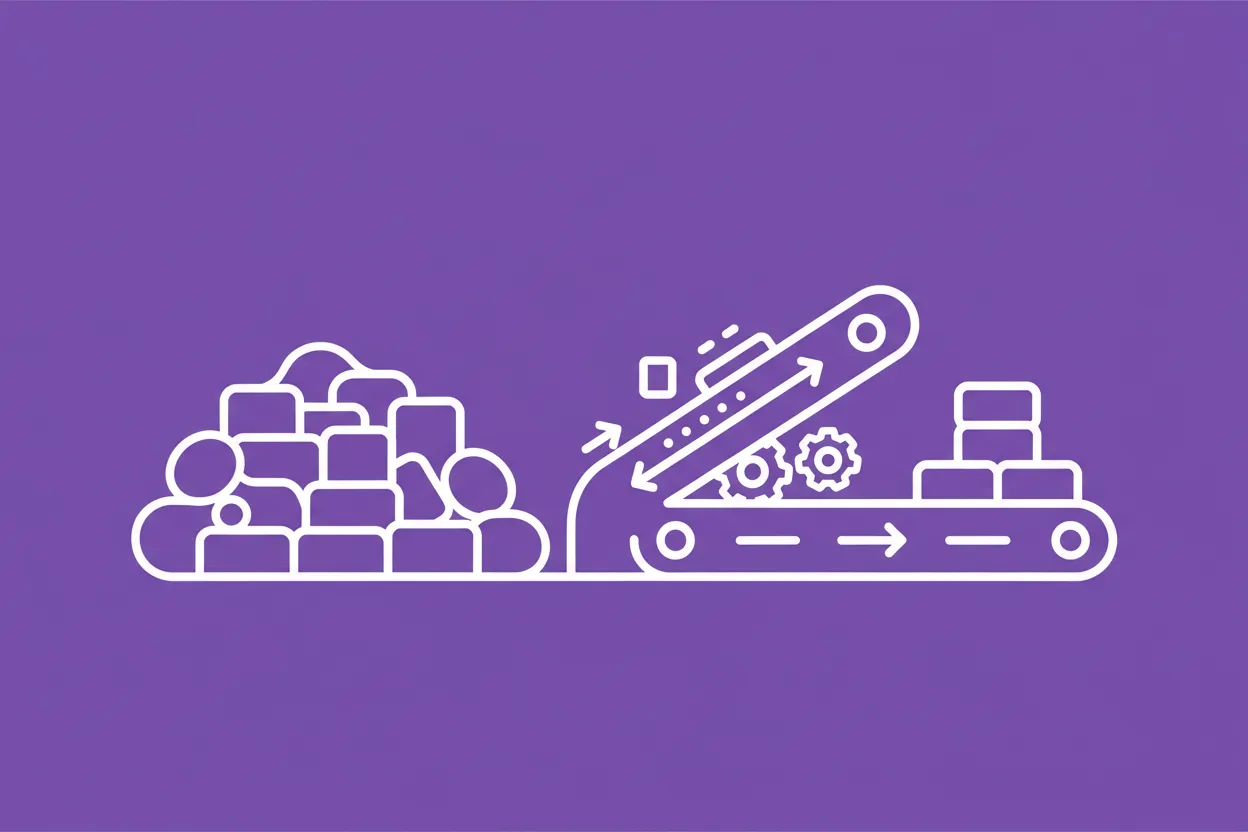
Yield rate tells us how much useful product comes out compared to what we put in, showing how well materials are used. It’s a key number for measuring efficiency in recycling, manufacturing, or farming.
A higher yield rate means less waste and smarter use of resources. This helps protect the environment by cutting down pollution and saving energy.
By tracking yield rate, companies and communities can find ways to improve recycling and production processes. This supports a circular economy where materials stay in use longer and fewer new resources are needed.
Definition: yield rate
Yield rate shows how much usable material or product comes from the amount of raw input used. It’s a percentage that measures efficiency in processes like recycling, manufacturing, or farming by comparing the good output to what you started with.
Yield rate measures the efficiency of turning raw materials into usable products. It shows how much good output you get compared to what you started with.
Think about recycling plastic: if you start with 100 kilograms of plastic waste and end up with 80 kilograms of new plastic, the yield rate is 80%. This means 20% was lost or wasted during the process. A higher yield rate means less waste and better use of resources.
How yield rates have changed over time
What does it take to grow more food on the same land? Over the years, farmers have found new ways to boost the amount of crops they harvest per acre. Yield rate shows how much food is produced from each piece of farmland.
Long ago, farming relied on natural methods and hard work, so yields were lower. The Green Revolution introduced powerful tools like fertilizers and new seeds that helped crops grow bigger and faster. But these came with environmental costs like soil damage and water pollution, pushing farmers to look for gentler ways.
Today, smart farming uses GPS and sensors to apply water and nutrients exactly where needed. This precision helps increase yield rates while protecting the environment. Embedded intelligence in machines means farmers can adjust work in real time for better results.
Boosting yield rates is key for feeding more people sustainably. By combining technology and care for nature, farming can grow more food with less harm.
6 examples on improving material recovery in recycling processes
Here are some ways companies and communities boost the amount of usable material recovered from waste:
- Advanced sorting technologies: Using optical sensors and AI to separate plastics and metals more accurately increases the material recovery efficiency. This reduces contamination and improves recycling quality.
- Source separation programs: Encouraging people to sort recyclables at home leads to cleaner input streams and higher recovery of valuable materials. It simplifies processing at recycling centers.
- Extended producer responsibility (EPR): When producers take back their products, they can design them for easier disassembly, improving recyclable content recovery. This closes the loop between production and recycling.
- Chemical recycling methods: Breaking down plastics into basic chemicals allows recovery of materials that mechanical recycling can’t handle, increasing overall material reuse. This supports circular economy goals.
- Improved collection logistics: Optimizing routes and collection points reduces contamination and loss, boosting the quantity of materials recovered from waste streams. It also lowers greenhouse gas emissions.
- Public awareness campaigns: Educating communities about proper recycling habits helps reduce contamination, leading to a higher percentage of materials successfully recycled. Better informed participation is key.
Some systems recover most materials efficiently, while others lose valuable resources due to poor sorting or contamination. These differences highlight how important process improvements are to get more use from waste.
Terms related to yield rate
Higher efficiency in production processes helps reduce waste and improve sustainability in manufacturing.
| Term | Description |
|---|---|
| Production Efficiency | Measures how well resources are used to produce goods with minimal waste. |
| Quality Control | Checks and maintains product standards to ensure fewer defects. |
| Manufacturing Yield | The percentage of good products made compared to total products produced. |
| Process Optimization | Improving steps in production to increase efficiency and reduce waste. |
| Scrap Rate | The portion of materials discarded due to defects or errors. |
| Defect Rate | The percentage of products that don't meet quality standards. |
| Throughput | The amount of product produced in a given time period. |
| Cycle Time | The total time taken to complete one production cycle. |
| Continuous Improvement | Ongoing efforts to enhance processes and reduce errors. |
| Rework Rate | The percentage of products that need fixing before they can be sold. |
Frequently asked questions on yield rate
Yield rate is a key measure of how efficiently products are made with minimal waste. Here are answers to common questions.
What is production efficiency?
Production efficiency shows how well resources like materials and labor are used to make products. Higher efficiency means less waste and better use of materials, supporting sustainability.
How does quality control affect yield rate?
Quality control ensures products meet standards, reducing defects and scrap. Good quality control raises yield rates by cutting down waste and rework.
What is manufacturing yield?
Manufacturing yield is the percentage of good products made compared to total products started. A high yield means most products meet quality standards without extra waste.
How can process optimization improve yield rate?
Process optimization finds better ways to run production, cutting errors and waste. It boosts yield rate by making processes smoother and more reliable.
Why is scrap rate important?
Scrap rate measures how much material is wasted during production. Lower scrap means more efficient use of resources and less environmental impact.
How does defect rate relate to yield?
Defect rate is the percentage of products that don’t meet quality standards. Lower defect rates increase yield because fewer products are discarded or reworked.
What role does throughput play in yield rate?
Throughput is how many products are made in a time period. Improving throughput while maintaining quality can raise yield and overall productivity.
How does cycle time impact yield rate?
Cycle time is how long it takes to make one product. Shorter cycle times can improve yield by reducing delays and keeping production consistent.
