Our blog
Glossary
Key terms and definitions related to circularity, environmental responsibility, and sustainable practices - explained simply and clearly.

What is material footprint?
Material Footprint shows the total natural resources used to make products, encouraging recycling and smarter choices to reduce waste and support a circular economy for a healthier planet.


What is an environmental product declaration (EPD)?
An Environmental Product Declaration (EPD) shows a product's full environmental impact, promoting smarter choices, transparency, and better design for recycling and sustainability.

What is carbon offsetting?
Carbon offsetting balances your CO2 by funding projects like tree planting or renewable energy. It helps fight climate change and supports cleaner, healthier communities. Would you try it?

What is the product environmental footprint (PEF)?
The Product Environmental Footprint (PEF) measures a product’s full environmental impact, promoting transparency, better design, and supporting the circular economy for greener choices.

What is a packaging footprint?
Packaging footprint measures the environmental impact of packaging from materials, energy use, transport, to disposal. Reducing it through recycling, reuse, and smarter design helps protect nature.
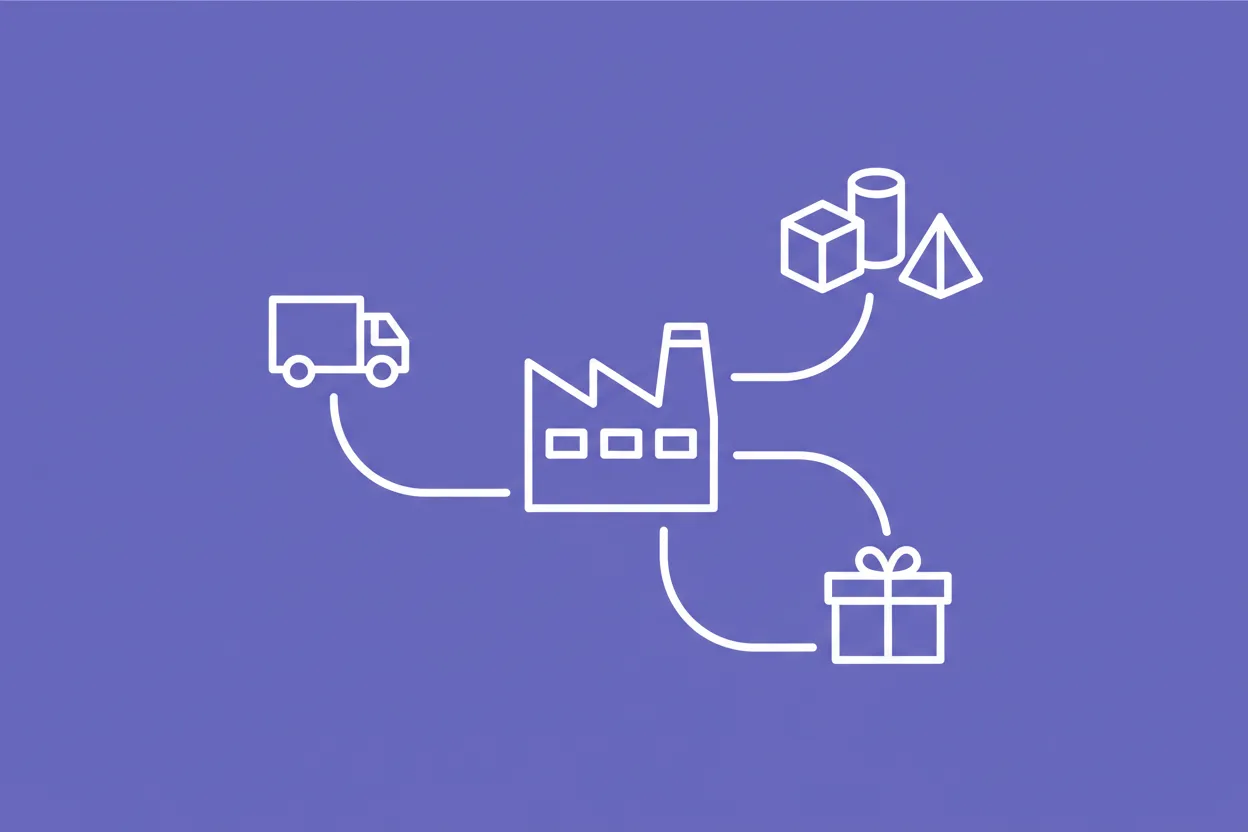
What are scope 3 emissions?
Scope 3 emissions cover all greenhouse gases from a product’s entire life—like raw materials, transport, use, and disposal. Tackling these helps companies reduce their full environmental impact.
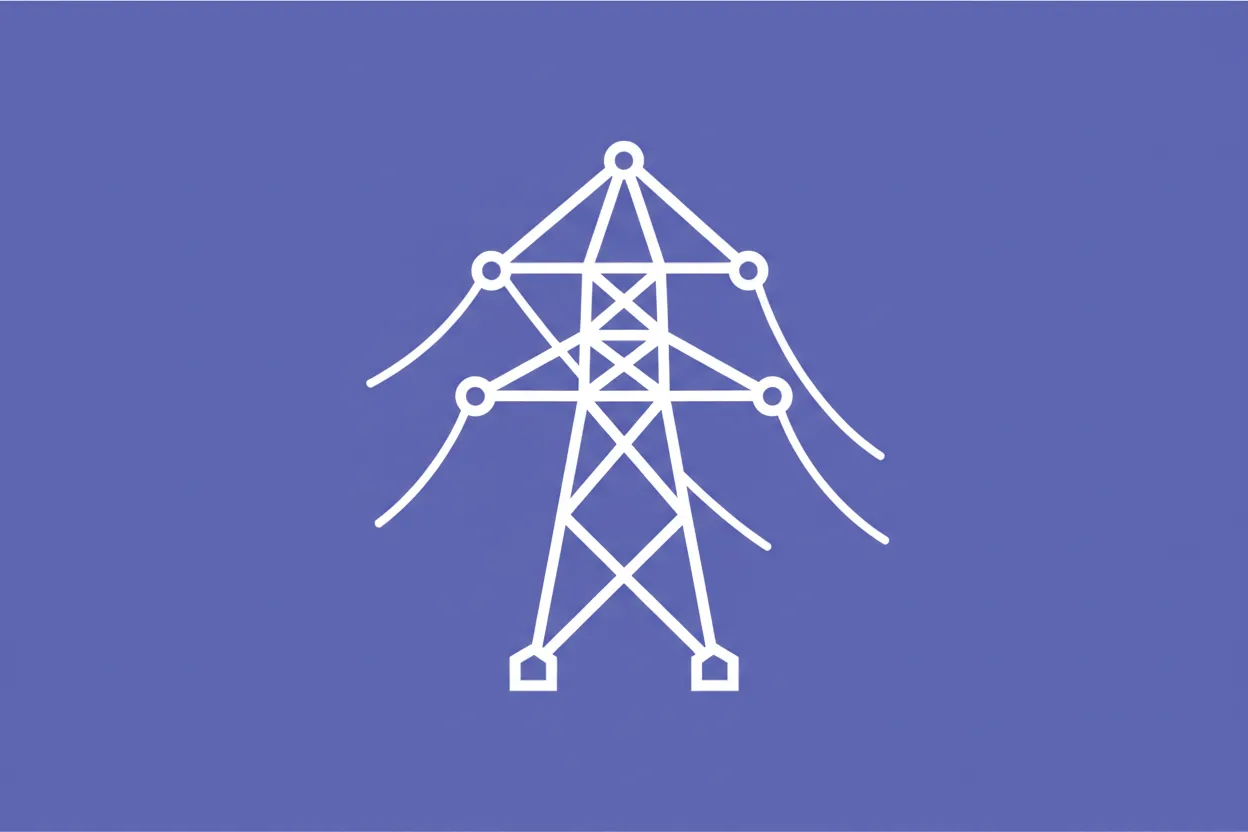
What are scope 2 emissions?
Scope 2 emissions come from the energy a company buys, like electricity. Reducing them by choosing clean energy helps cut pollution and supports a greener, more sustainable future.
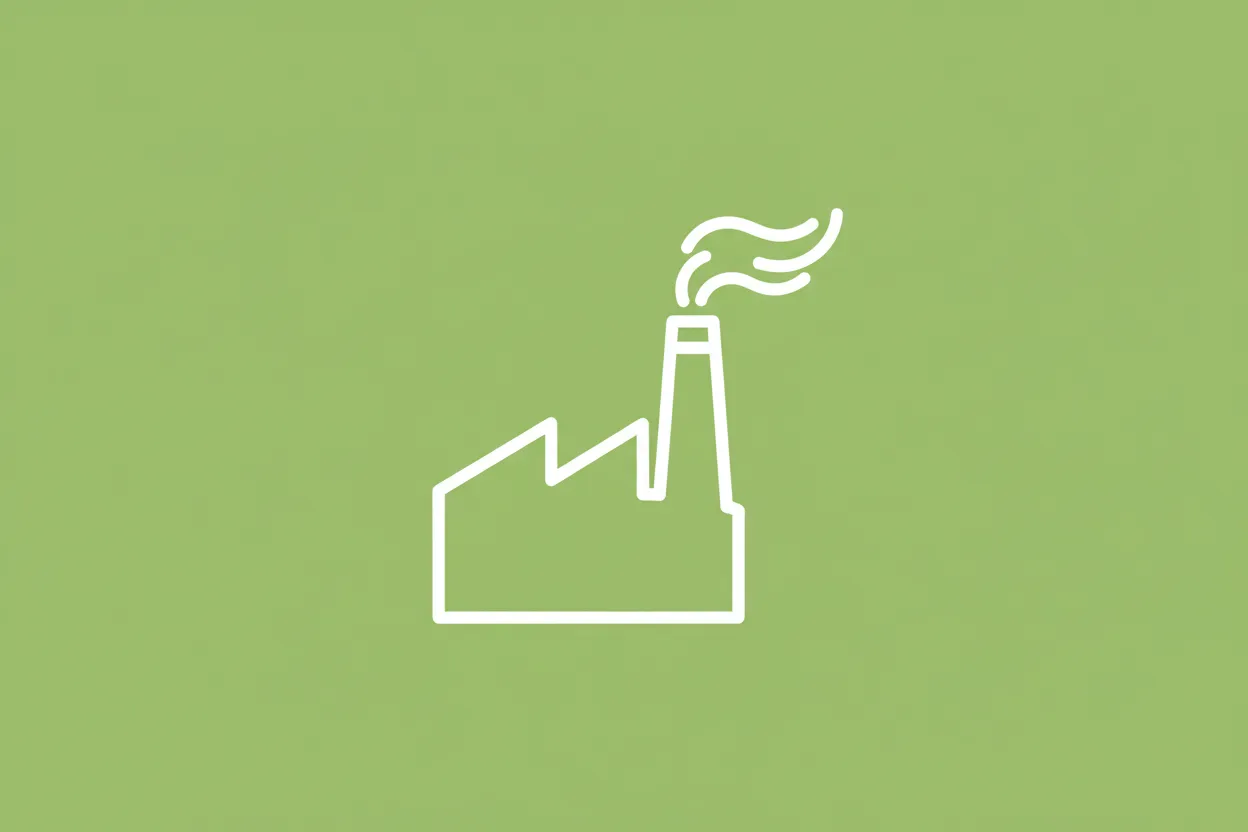
What are scope 1 emissions?
Scope 1 emissions are direct greenhouse gases from a company’s own fuel use or processes, like burning gas in trucks or machines. Cutting these helps reduce pollution and fight climate change.

What is a non-compliance penalty?
Non-compliance penalties are fines or actions against those who break environmental laws, encouraging companies and individuals to follow rules, reduce pollution, and support sustainability.