Our blog
Glossary
Key terms and definitions related to circularity, environmental responsibility, and sustainable practices - explained simply and clearly.
What is product as a service?
Product-as-a-Service means renting or sharing products instead of owning them, making products last longer, reducing waste, and supporting a circular economy for a greener, smarter future.

What is an ecological footprint?
An ecological footprint shows how much land and water we need to support our lifestyle and absorb waste. Reducing it by recycling, saving energy, and choosing sustainable products helps protect our planet.
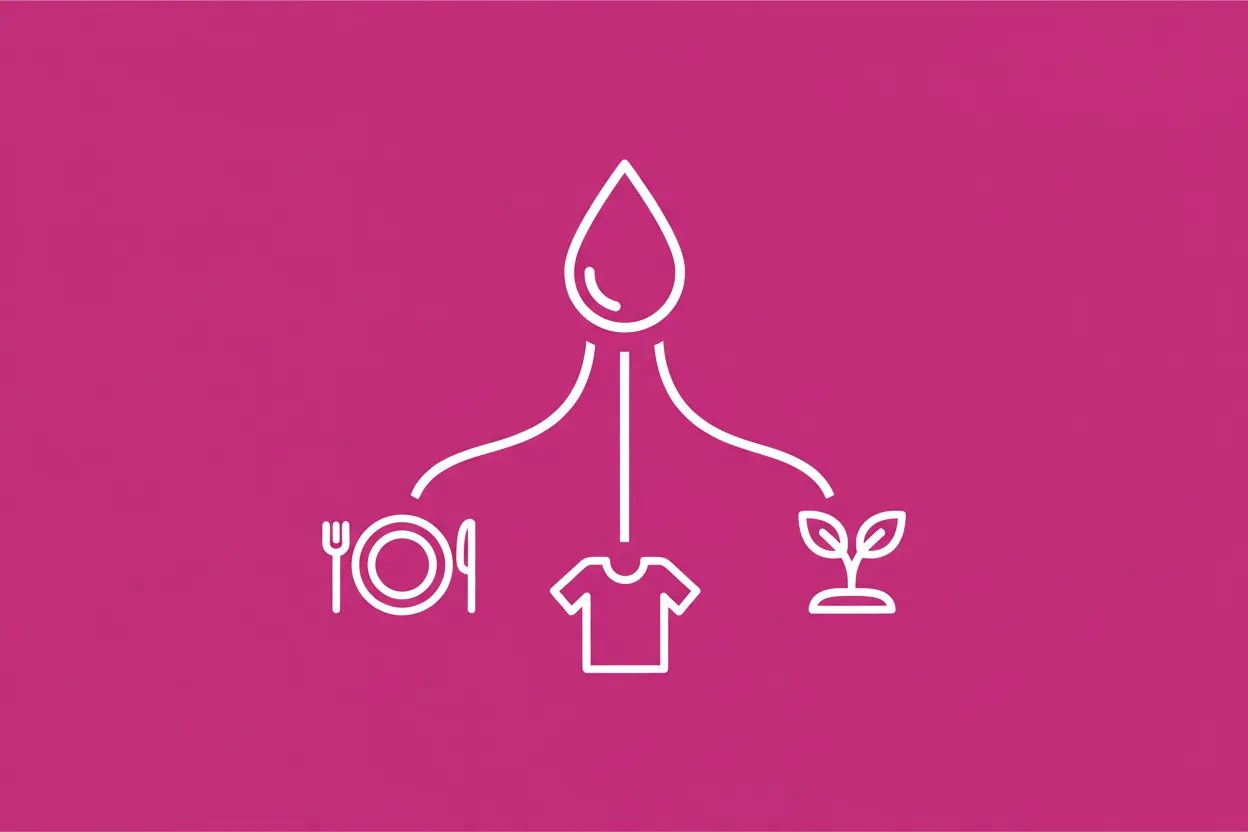
What is a water footprint?
Water footprint shows the total water used directly and indirectly for products we use daily. It helps us make smarter choices, save water, and protect ecosystems for a sustainable future.
What is a cradle-to-gate assessment?
Cradle-to-Gate Assessment measures a product’s environmental impact from raw materials to factory exit, helping companies reduce resource use, meet rules, and offer greener choices to customers.
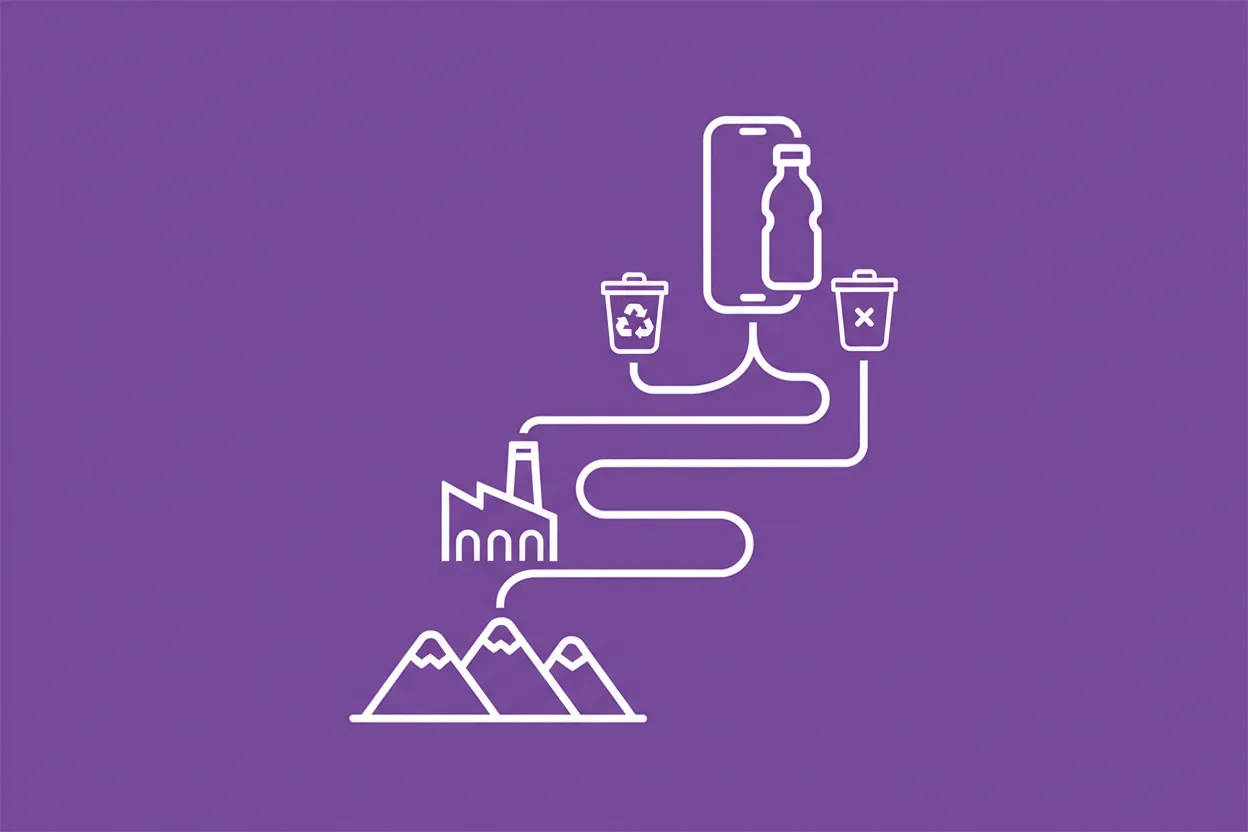
What is material flow analysis?
Material Flow Analysis tracks materials from start to end, showing where they come from, go, and how they're used or wasted. It helps reduce waste and supports recycling for a greener future.
What is the GHG Protocol?
The GHG Protocol helps businesses measure and manage greenhouse gas emissions in three scopes, guiding them to reduce impact, save costs, and support climate goals with clear, trusted data.
What are carbon credits?
Carbon credits let companies buy or sell permission to emit greenhouse gases, encouraging cuts where cheap. They fund green projects and help meet climate goals flexibly and cost-effectively.

What are PFAS (forever chemicals)?
PFAS are long-lasting chemicals used in many products but harm health and the environment. Reducing use, choosing safer options, and supporting cleanup efforts helps protect people and nature.
What is a waste footprint?
Waste footprint measures all waste from making, using, and discarding products. It helps spot waste sources, guiding us to reduce trash, protect nature, and support a circular economy.