Our blog
Glossary
Key terms and definitions related to circularity, environmental responsibility, and sustainable practices - explained simply and clearly.

What is the compatibility of packaging components?
Packaging compatibility means materials work well together to protect products and ease recycling, reducing waste and supporting a circular economy for a healthier planet.

What is Green Dot (Der Grüne Punkt)?
The Green Dot shows a company pays fees for recycling packaging under Extended Producer Responsibility, supporting waste collection and circular reuse—not a recycling label itself.
What is the Triman logo?
The Triman logo in Europe shows products should be recycled properly. It guides consumers to sort waste correctly, supporting recycling, reducing waste, and promoting a circular economy.
What is a full-sleeve label (recycling issue)?
Full-sleeve labels can block plastic sorting in recycling. Using partial coverage, perforated labels, or floatable materials helps improve recycling and supports circular, sustainable packaging.

What is ink removal in design for recycling?
Ink removal, or deinking, makes recycling paper easier by lifting ink off fibers. Using eco-friendly inks and simple materials helps keep paper clean, boosting recycling and supporting a circular economy.
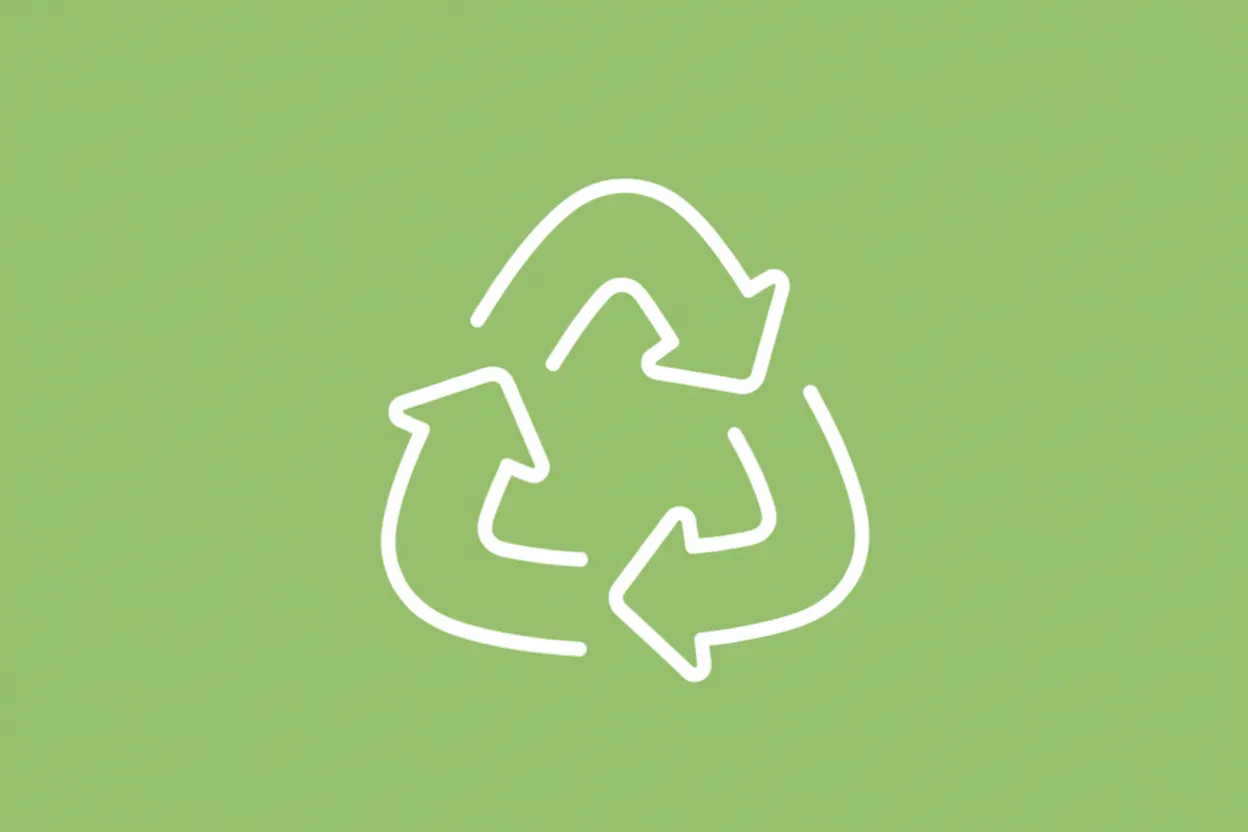
What is the Mobius loop (recycling symbol)?
The Möbius Loop, a triangle of arrows, shows recycling’s cycle: collect, process, reuse. It reminds us to recycle and choose products made from recycled materials, supporting a circular economy.

What is durability?
Durability means making products that last long, reducing waste and resource use. It supports sustainability by lowering pollution and fitting into a circular economy. How long do your things last?

What is packaging optimisation?
Packaging optimisation means using less, eco-friendly materials to protect products, reduce waste, and boost recycling. It saves resources, cuts emissions, and supports a circular economy.

What are design guidelines for packaging?
Packaging should use less material, be strong, easy to recycle or reuse, clearly labeled, and eco-friendly in materials and inks to cut waste and pollution while protecting products well.