Our blog
Glossary
Key terms and definitions related to circularity, environmental responsibility, and sustainable practices - explained simply and clearly.
What is a reusability label?
A Reusability Label shows a product can be used multiple times, cutting waste and saving resources. It helps consumers choose sustainable, eco-friendly items that support a circular economy.

What is the Tidyman symbol?
The Tidyman Symbol reminds everyone to toss waste in bins, helping reduce litter, protect nature, and support recycling. Small actions like this keep our environment clean and healthy.
What are sorting instruction pictograms?
Sorting pictograms on packaging guide how to recycle or dispose of items correctly, helping reduce waste, support recycling, and protect the environment through clear, easy-to-follow symbols.
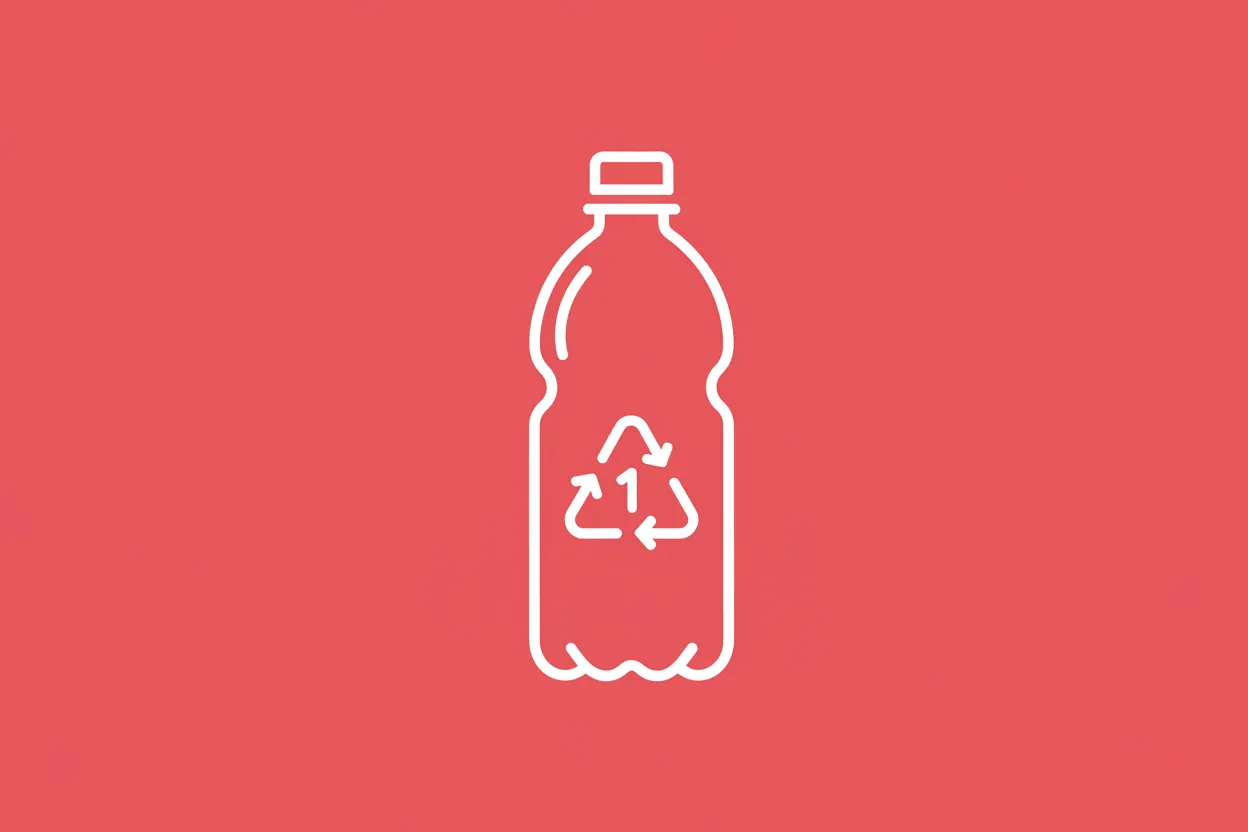
What is a resin identification code?
The Resin Identification Code labels plastics (1-7) to help sort and recycle them properly. It supports circular economy by improving recycling and reducing plastic waste in landfills.

What is a material composition label?
Material Composition Labels show what materials make a product, helping recycling, reuse, and smart buying. They support less waste and a greener, circular economy.
What is the FSC label (Forest Stewardship Council)?
The FSC label shows wood and paper come from responsibly managed forests that protect nature, support workers, and promote sustainability for a healthier planet and future.
What is the on-pack recycling label (OPRL)?
The On-Pack Recycling Label (OPRL) in the UK guides consumers with clear, consistent recycling info on packaging, helping boost recycling rates and support environmental sustainability.
What is a PVC label (recycling issue)?
PVC labels harm recycling by contaminating plastics and releasing toxins. Switching to removable or recyclable labels helps improve recycling and supports a cleaner, circular economy.

What is repairability?
Repairability means fixing products easily to extend their life, reduce waste, save resources, and support a circular economy. It’s good for the planet, your wallet, and helps fight climate change.